Our focus
Providing a lifetime of stroke risk reduction and freedom from blood thinners for people with atrial fibrillation (AFib) not caused by a heart valve problem.
Boston Scientific accounts are for healthcare professionals only.
Create an account to access online training and education on EDUCARE, manage your customer profile, and connect with customer support and service teams.
My Boston Scientific account
Access your online applications and manage your customer profile.
Quick Links
Call customer care
Providing a lifetime of stroke risk reduction and freedom from blood thinners for people with atrial fibrillation (AFib) not caused by a heart valve problem.
Leading the way in left atrial appendage closure (LAAC)
For more than 20 years, the WATCHMAN therapy has led the advancement of LAAC with clinical evidence and device innovation. During this time, we’ve partnered with physicians from around the globe to help more than 500,000 people living with AFib reduce their stroke risk and leave blood thinners behind.
Proven in performance, optimized for healing
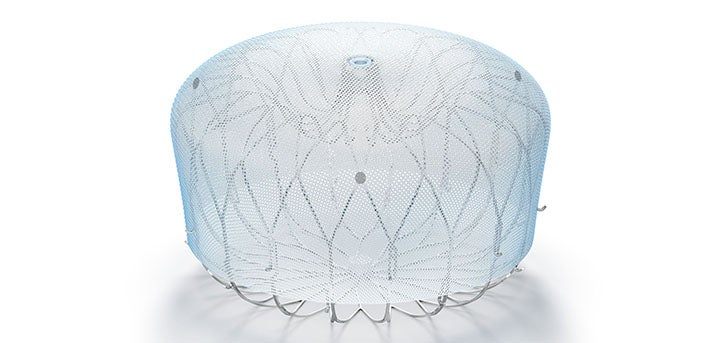
Built on the proven safety profile of the WATCHMAN FLX™ Left Atrial Appendage Closure Implant, the WATCHMAN FLX™ Pro LAAC Implant is designed to enhance the healing process and optimize therapy success for more patients.
The device is placed in the left atrial appendage (LAA) of the heart during a safe, minimally invasive, one-time procedure. It permanently seals off the LAA, where stroke-causing clots commonly form in people with AFib, which reduces their risk of stroke and need for lifelong blood thinners.
Precision for every anatomy
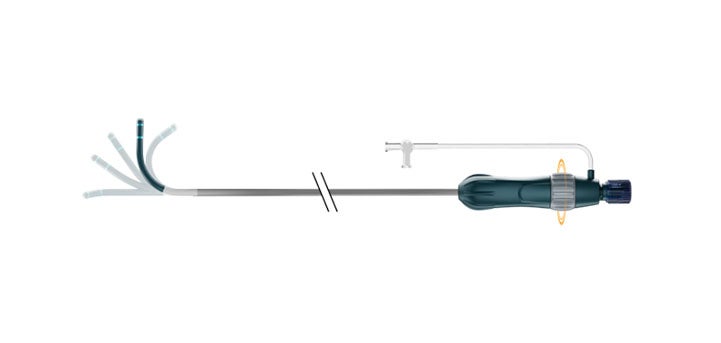
The WATCHMAN TruSteer Access System increases procedural success and accuracy, improving outcomes for all patients and anatomy types. Used to deliver the WATCHMAN FLX Pro Implant into the LAA, the WATCHMAN TruSteer access system guides intuitive adjustments during deployment, helping achieve optimal device placement in the most complex anatomies.
59M
patients with atrial fibrillation globally.2
10.5M
patients with atrial fibrillation in the U.S.3
5x
higher stroke risk in people with AFib vs. those with a regular heartbeat.4
+90%
of stroke-causing clots that come from the heart are formed in the LAA.5
Sources
** In a post FDA approval analysis. Major complication is defined as an occurrence of one of the following events between the time of implant and within 7 days following the procedure or by hospital discharge, whichever is later: all-cause death, ischemic stroke, systemic embolism, or device or procedure related events requiring open cardiac surgery or major endovascular intervention.