My account

Boston Scientific accounts are for healthcare professionals only.

Create an account to access online training and education on EDUCARE, manage your customer profile, and connect with customer support and service teams.

My Boston Scientific account

Access your online applications and manage your customer profile.

Quick Links

Call customer care

Paid media/Search engine marketing

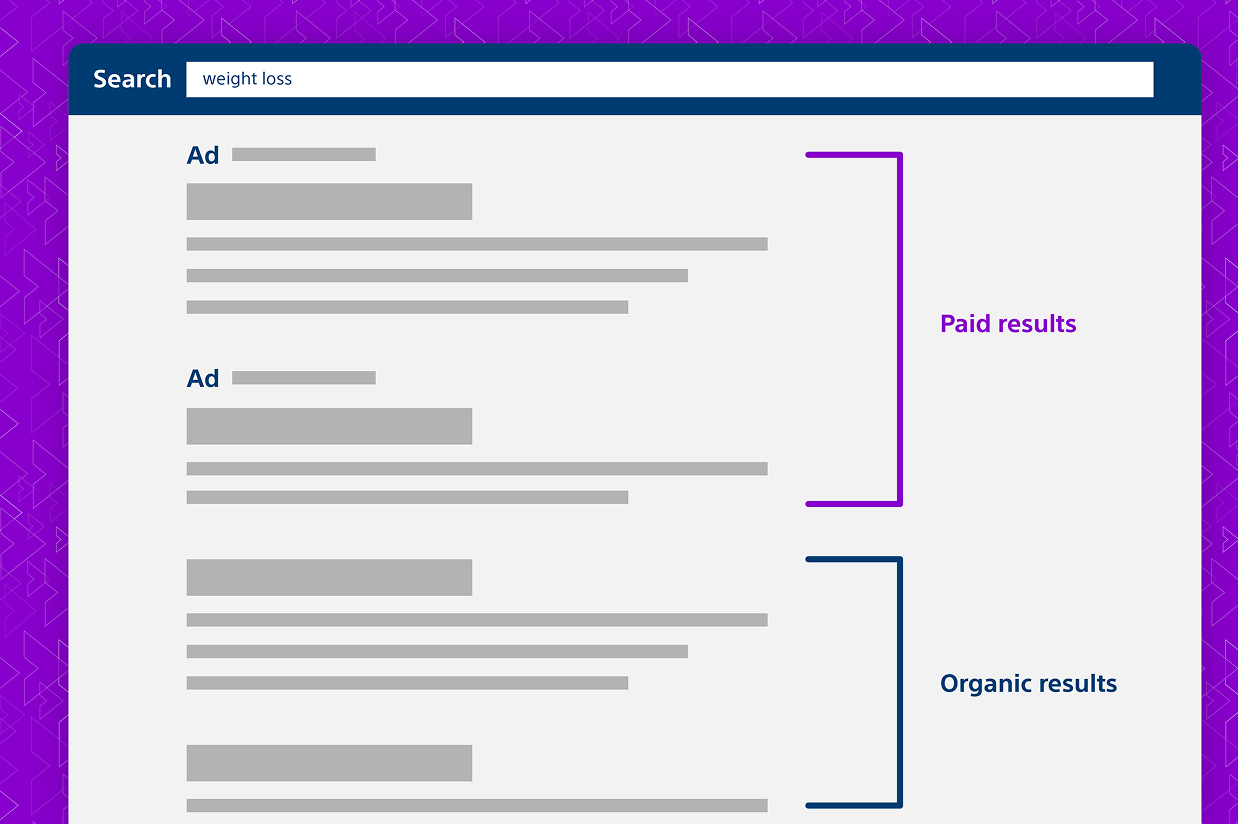
Paid media, or paid digital advertising, relates to all forms of marketing in which an advertiser pays to place relevant content in front of an intended target audience. Paid media is an important component of digital marketing as it helps educate prospective patients who may be looking for information about what your practice provides and helps them find your website.

Search engine marketing (SEM), display advertising, paid social media, and paid influencer marketing are all examples of platforms in which you can market to your intended audience through paid digital advertising. Paid media increases the reach of your marketing by drawing in your audience from various digital channels, so they become aware of your website and the capabilities and offerings available at your practice. Think of paid media like renting billboard space – you pay for prominent placement to ensure your message reaches a specific audience.

Execution

Illustration of search engine marketing example.

Various forms of paid media will vary in cost. To execute a well-thought-out strategy, first determine where your intended audience consumes the most digital media content. This may include social media sites such as Meta or LinkedIn, or banner ads programmatically chosen by the audience and their online behavior. Programmatic banner ads tend to have the most reach and are lower in cost, while ads on Meta can be targeted to specific demographics like age and gender. Be prepared with ads that include a clear call to action and are visually appealing to prospective patients in order to catch their attention.
Banner ads

Best practices

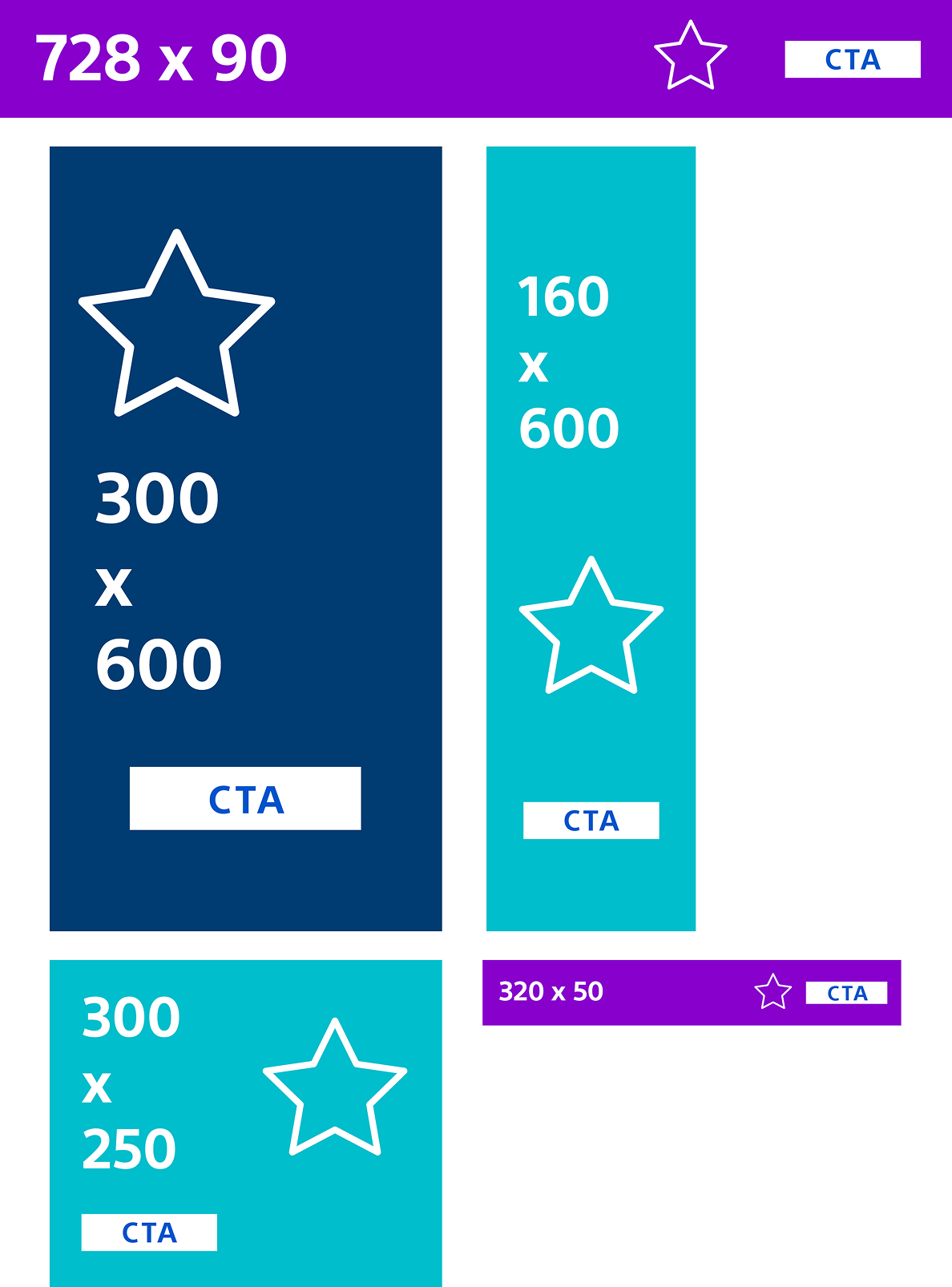
Include multiple sizes of banner ads to increase your opportunity of serving digital media across websites where your intended audience will consume information. Typical ad sizes include: 728x90, 300x250, 300x600, 160x600, and 320x50 (mobile ad size). Banner ads should be visually appealing with a clear call to action. Stick with strong creative elements to catch the user’s eye, and avoid too many words that may pull from the call to action. Remember, the goal of a banner ad is to draw the user’s attention immediately and drive them to your website to learn more.

Social platforms like LinkedIn, Meta, X (formerly Twitter), or TikTok may have sizing specific to the platform and allow for unique creative expression in the form of video or other content formats. Social media is covered in a separate section in this document.

Geo-targeting

Similar to SEM, your banner ads should be geo-targeted to prospective patients who are able to physically come to your office.

Local cable TV/local radio/digital news sites

While programmatic banner ads are served on various websites dictated by the intended audience’s online behavior, local websites are a great way to reach prospective patients who are already in your area. Work with local radio, cable TV, or news sites who have a digital presence to place banner ads directly on their landing pages.

Illustration of banner ad marketing example.

SEM

SEM is a paid digital marketing strategy that increases your website visibility to users through ads on search engines such as Google and Bing. Search engine optimization (SEO) and SEM work in combination from both organic and paid advertising perspectives to help users become aware of your website and increase traffic to your landing page.

There are a few key elements to keep in mind when developing and executing an SEM strategy:

Target with arrow icon.

Keyword choices

Focus on high-quality keywords that are relevant to your target audience and what information they may be seeking. You can use Google to identify the most-searched terms related to symptoms and treatment options.

Megaphone icon.

Call to action

Include a short call to action within each search ad. This should tell the audience what next action they should take – such as “Call the office” or “Schedule an appointment.” Align what action is taken in the ad to the description.

Example: If the button says, “Call the office,” ensure the phone number is connected to the link itself.

Press release icon.

Ad copy

Most forms of SEM will contain headlines and descriptions. Create ad copy that speaks directly to prospective patients. Start with a headline that highlights the intent behind the keyword, and include the unique benefits or audience pain points they hope to resolve within the description of the search ad. Headlines and descriptions should give the user a snapshot of what information they can expect on your website when they click on your search ad.

Checkbox icon.

Relevancy

Ensure the landing page you are sending prospective patients to is relevant to the ad copy that they searched for in the first place. A landing page that is relevant to the search ad will not only reach the correct intended audience but also boost your ad rank and quality score, which directly impacts how you show up on the search engine results page.

Globe location icon.

Geo-targeting

Geo-targeting refers to the practice of delivering content or advertisements to users based on where they are geographically located. Make sure your paid search ads are geo-targeted to reach prospective patients who are local to your practice and are able to physically come to your office. It doesn’t make sense to spend money on a search ad in California if you are located in New York!