References:
*The Medtronic May 2023 Advisory and 8 associated instructions for Use warn users that AX>B pathway is not recommended due to increased risk for reduced-energy output or no-energy output during high voltage therapy. The B>AX pathway is nominal and recommended for all high-voltage pathways in the Cobalt XT, Cobalt Crome, Claria, Amplia, Compia, Viva, Brava, Visia AF, Evera, Primo, and MirroICDs and CRT-Ds, which are also trademarks of Medtronic and its affiliates.
- Chronotropic competence is defined by the Model of the Cardiac Chronotropic Response to Exercise. Wilkoff B, Corey J, Blackburn G. A mathematical model of the cardiac chronotropic response to exercise. J Electrophysiol. 1989 June;3(3):176-80.
- Richards, et al., The Addition of Minute Ventilation to Rate Responsive Pacing Improves Heart Rate Score More than Accelerometer Alone. Heart Rhythm 2018. https://doi.org/10.1016/j.hrthm.2018.06.02.
- Boehmer JP, Hariharan R, Devecchi FG, et al. A Multi sensor algorithm predicts heart failure events inpatients with implanted devices: results from the MultiSENSE study. JACC Heart Fail. 2017 Mar;5(3):216-25.
- Saba S, Nair D, Ellis CR, et al. Usefulness of Multisite Ventricular Pacing in Nonresponders to Cardiac Resynchronization Therapy. Am J Cardiol. 2022;164:86-92.
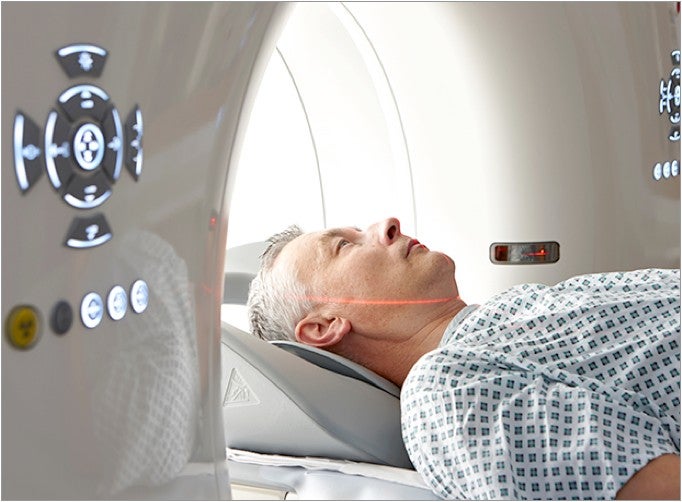
- Reference Image Ready MRI Technical Guide
- Only when Conditions of Use are met