Boston Scientific accounts are for healthcare professionals only.

Looking for information on a Boston Scientific device?
What is hypertension?
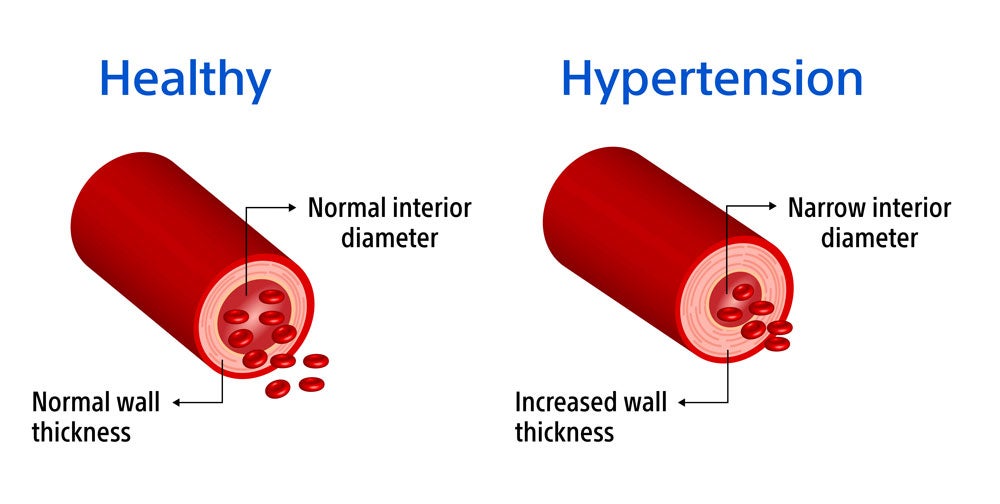
Hypertension, or high blood pressure, is a common condition which occurs when the pressure of blood flow within your arteries is too high. This makes your heart work harder to pump blood through your body and increases the risk of heart failure, heart attack, stroke and kidney failure.
High blood pressure is common, affecting nearly 1 in 2 adults in the U.S.—about 120 million people.1
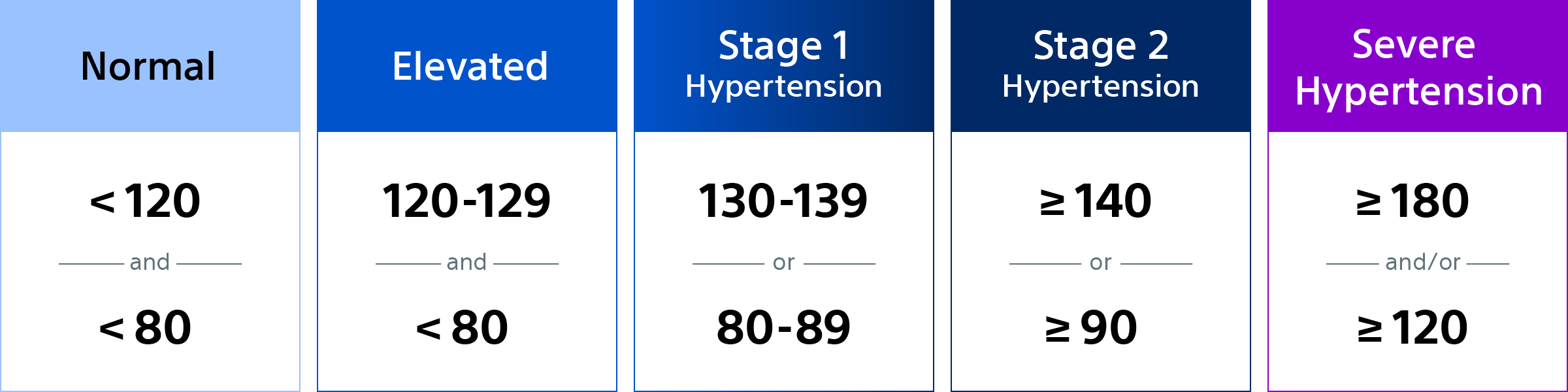
Blood Pressure Categories2
Why is hypertension important to control?
There often are no noticeable symptoms, but over time it can lead to serious health problems like heart failure, stroke, kidney damage, dementia, and sexual dysfunction.
Keeping blood pressure under control will help you live a longer, healthier life. The earlier you manage it, the better your chances are of staying healthy.
How is hypertension currently treated?
Doctors often start by recommending lifestyle changes. This includes eating healthier, exercising, and reducing stress. If needed, medications are prescribed to help lower your blood pressure if lifestyle changes are not sufficient.
For some people, blood pressure stays high even with medical treatment. This is called uncontrolled hypertension. Doctors may try different combinations of medications or add new ones to help control the hypertension.
Doctors may try several approaches to help control your blood pressure:
- Lifestyle adaptation (e.g weight loss an dietary changes)
- Medication adjustments
- Checking for other diseases that can result in hypertension
- Lifestyle support
- Monitoring and follow-ups
- Alternative therapies

An alternative option
Renal Denervation (RDN) Treatment
If you have uncontrolled hypertension, medications may not be enough to achieve your blood pressure goals. Additionally, common hypertension medications may cause side effects, which are typically manageable but can affect quality of life, including frequent urination, leg swelling, dizziness, headaches, and cough, amongst others.
Renal denervation (RDN) is a minimally invasive procedure that targets the nerves connecting the brain to kidneys. These nerves play a key role in regulating blood pressure, and are wrapped around the arteries that supply blood to the kidneys. When these nerves are overactive, they can cause blood pressure to rise and become difficult to control. RDN uses energy to reduce the activity of these overactive nerves, lowering blood pressure.
About the THRIVE Study
The THRIVE Study is being performed to evaluate the safety and effectiveness of the TIVUS™ Renal Denervation System in patients with hypertension.
1World Health Organization; accessed on Apr 15, 2026 Estimated Hypertension Prevalence, Treatment, and Control Among U.S. Adults | Million Hearts® (hhs.gov) https://millionhearts.hhs.gov/data-reports/hypertension-prevalence.html
2American Heart Association. “Understanding Blood Pressure Readings.” Last reviewed August 14, 2025. https://www.heart.org/en/health-topics/high-blood-pressure/understanding-blood-pressure-readings
The THRIVE pivotal study is sponsored by SoniVie, Inc., a Boston Scientific company.
All trademarks are the property of their respective owners. CAUTION: Investigational Device.
Limited by Federal (or US) law to investigational use only. Not available for sale.