Boston Scientific accounts are for healthcare professionals only.

SEISMIQ™ 4CE Coronary Intravascular Lithotripsy Catheter
Configure or select a product to continue to order
- IVL overview
- Product details
- Clinical data
- Peer insights
IVL overview
Intravascular lithotripsy (IVL)
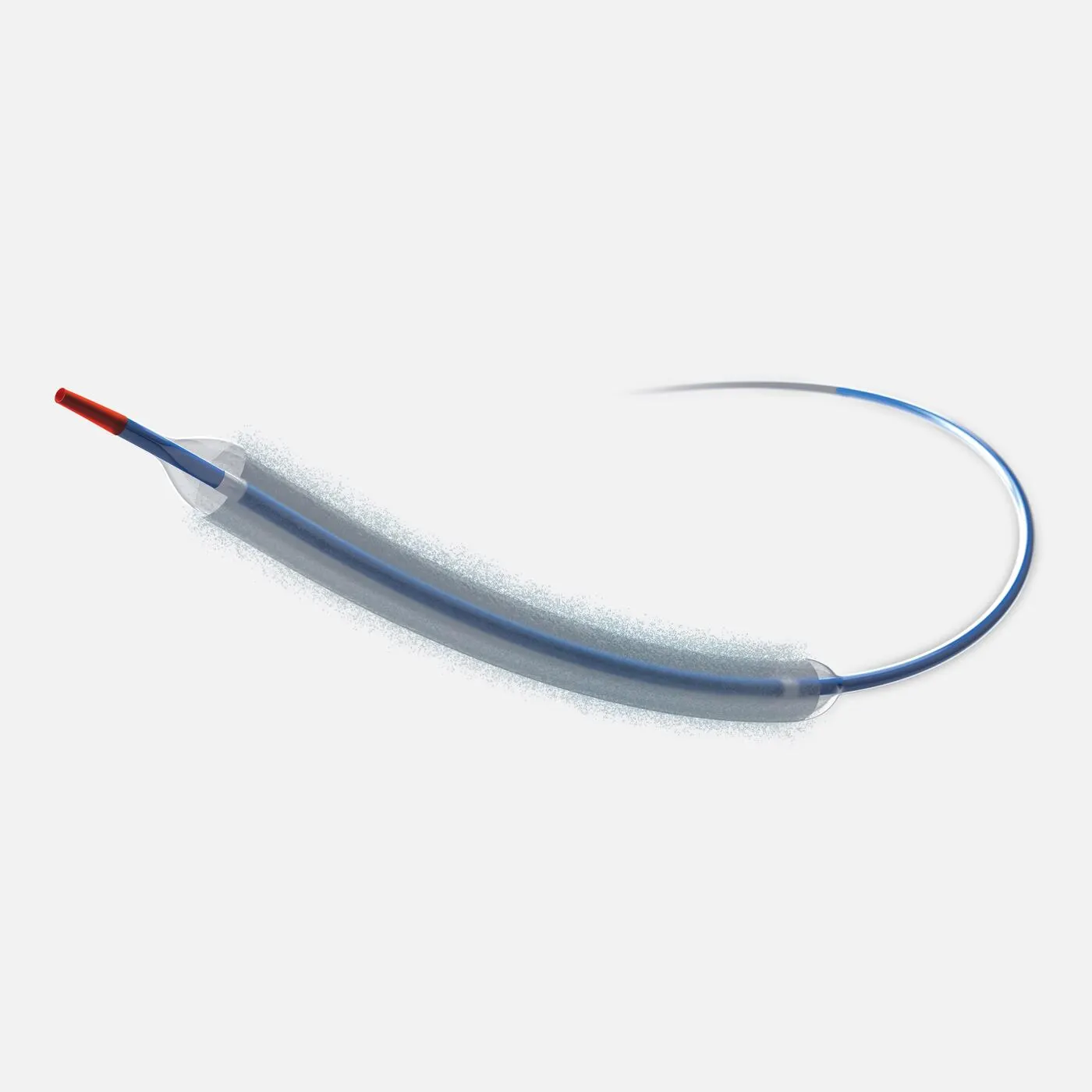
Intravascular lithotripsy (IVL) is a catheter‑based therapy designed to treat patients with calcified coronary artery disease. IVL delivers acoustic pressure waves inside a balloon to fracture hardened calcium, restore vessel compliance, and enable effective lesion preparation prior to definitive therapy, such as treating with a stent.
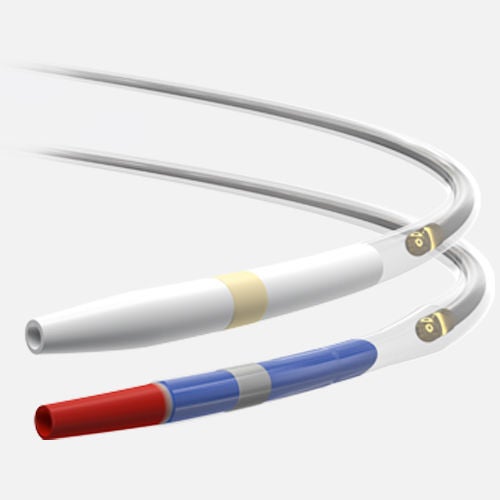
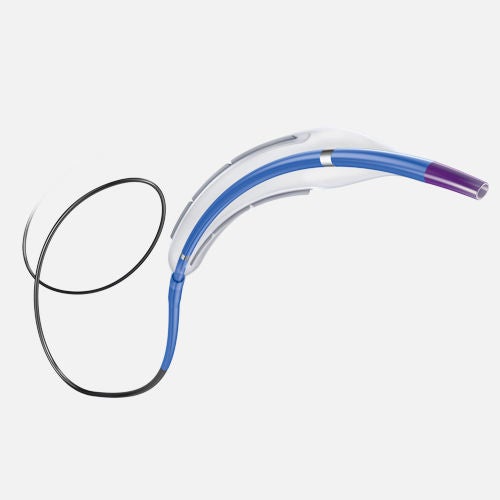
Laser‑based IVL takes traditional IVL a step further. By using focused laser energy and a quad-emitter design to generate acoustic pressure waves within the balloon, SEISMIQ 4CE is designed to deliver precise, consistent calcium modification—helping physicians prepare complex lesions with greater control.
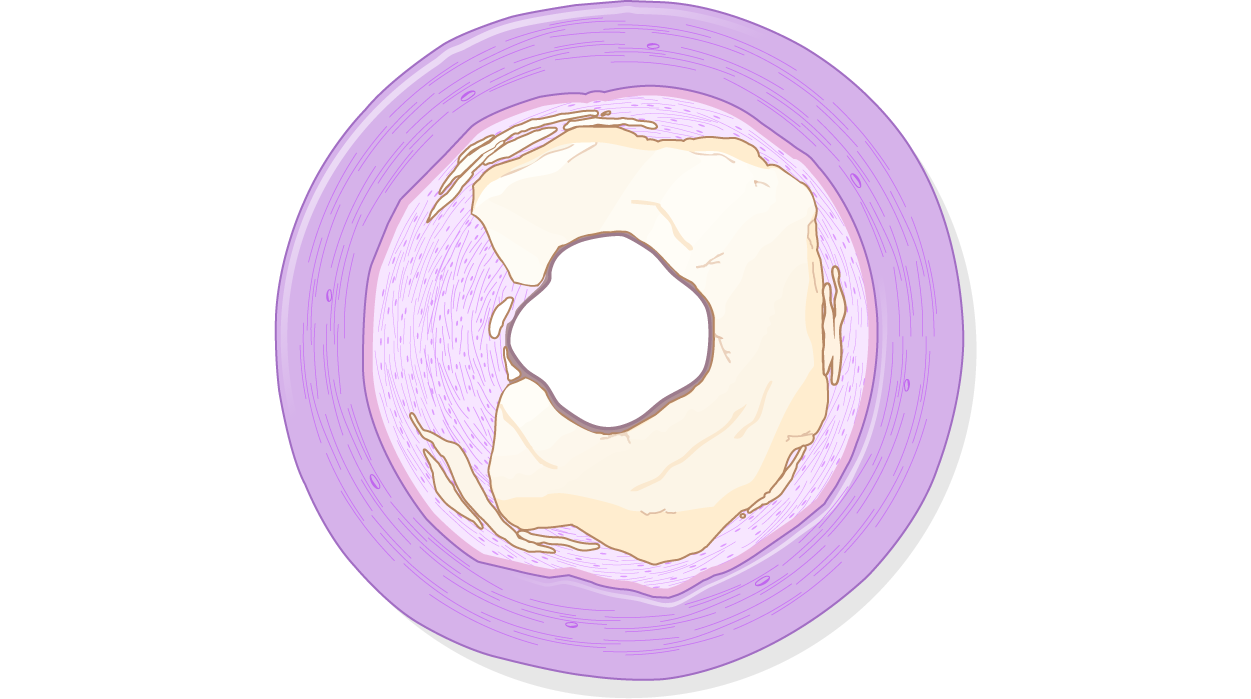
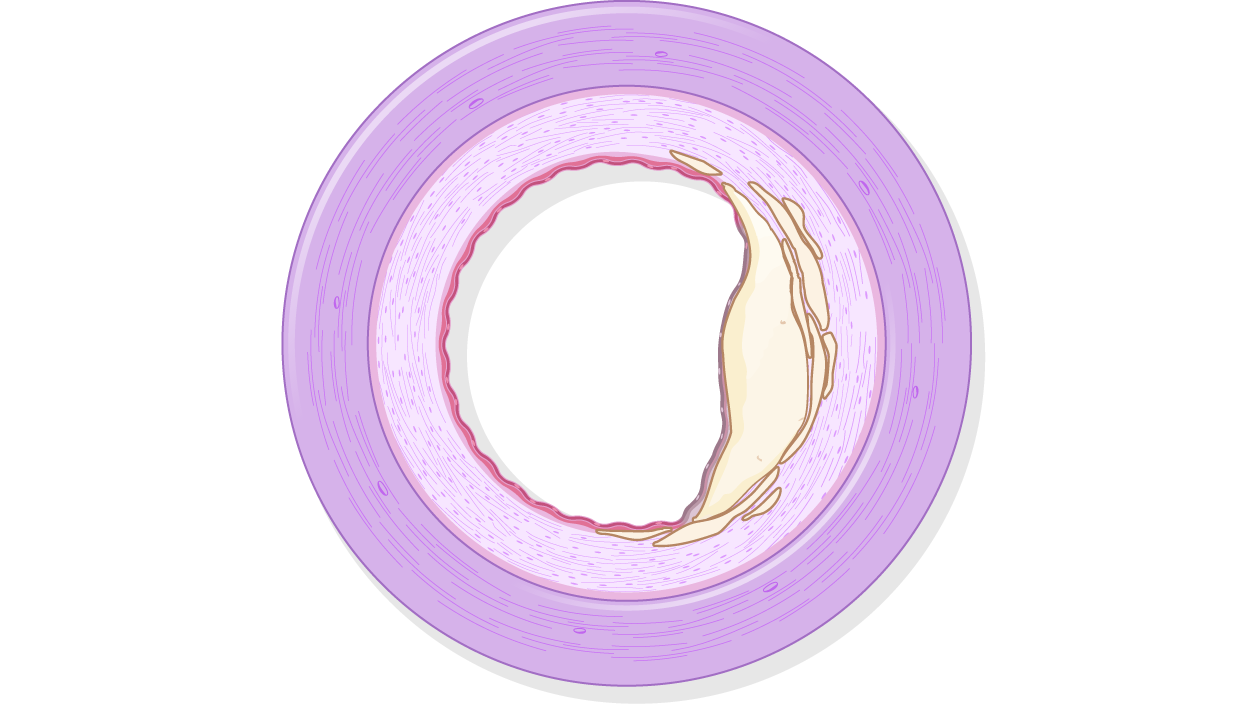
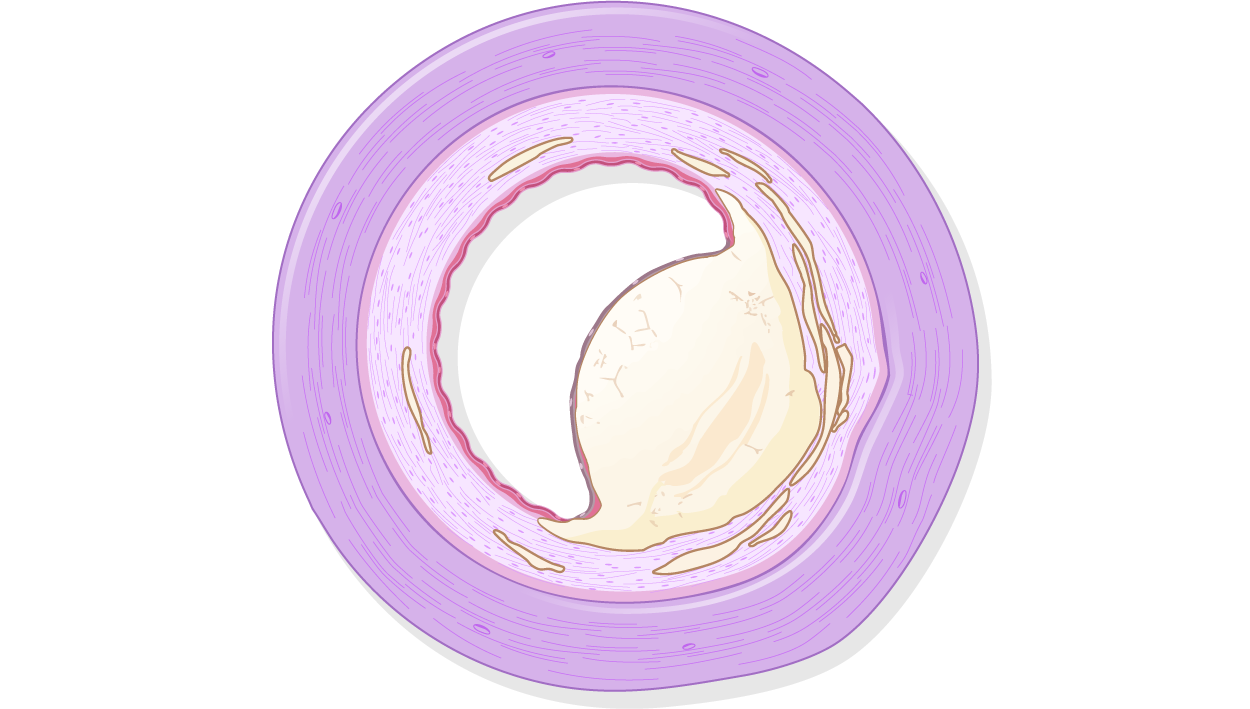
Calcium morphologies treated by IVL:
Concentric Calcium
Eccentric Calcium
Nodular Calcium
Discover the Modern PCI approach
Subscribe for updates on Interventional Cardiology topics
Receive timely updates on significant announcements, exclusive opportunities to engage with peers through educational events, and access valuable tools to enhance your ability to assist more patients.
Product details
SEISMIQ is a coronary Intravascular Lithotripsy (IVL) System - an advanced laser-based platform that is designed to deliver consistent acoustic output to treat a broad range of calcified lesions.
A SEISMIQ shift in coronary IVL

SEISMIQ 4CE is designed for:




Clinical data
2026
FRACTURE IDE Trial1
The FRACTURE IDE Trial is a prospective, multicenter, single-arm study using SEISMIQ 4CE to treat 420 patients with calcified coronary artery disease (CAD) with primary endpoints assessed at 30 days. Secondary endpoints including long-term safety and effectiveness will be measured through 24 months. This trial was conducted at 46 sites across the US, UK, and EU.
The FRACTURE IDE Trial studied a highly calcified subset of patients and lesions, including 100% site-reported severe angiographic calcium and OCT measurements of 27.4% nodular and arc of 271.9 ± 77.4 at the site of max calcium. The severely calcified de novo coronary lesions were ≥ 2.5 mm and ≤ 4.0 mm; with a lesion length ≤ 40 mm.
PRIMARY ENDPOINTS MET

Primary safety endpoint met:
93.3%
MACE-free at 30 days*

Primary effectiveness endpoint met:
93.7%
Procedural success**
Trial outcomes:
- Safety endpoint excluding peri-procedural MI: 99.3%
- Effectiveness endpoint excluding peri-procedural MI: 99.8%
- Final average MSA of 6.52 mm2
- Average stent expansion of 94.2%†
- Ventricular capture rate of 16.4%‡
The FRACTURE IDE Trial met its primary safety and effectiveness endpoints in the treatment of severely calcified de novo coronary lesions. The device was associated with high procedural success and low complication rate.
2026
FRACTURE IDE Trial: Sub-Analyses
Nodular and Non-Nodular sub-group analysis2
One in four patients enrolled in the FRACTURE OCT sub-study had nodular calcium, providing meaningful insights into IVL performance in this challenging lesion subtype (27.4% nodular, 73.6% non-nodular).
Nodular Calcium
As presented at TCT 2026, consistent results were observed across nodular (n = 29) and non-nodular (n = 77) lesions despite the increased complexity of nodular lesions.
- Visible fractures in 79.3% of the nodular lesions
- MSA overall (median): Nodular 6.7 mm2 and Non-nodular 6.4 mm2
Nodular
6.7 mm2
Non-nodular
6.4 mm2
p=0.80
- Stent expansion at max calcium (median): Nodular 90.5% and Non-nodular 94.6%
Nodular
90.5%
Non-nodular
94.6%
p=0.11
In nodular calcium, SEISMIQ 4CE achieved a numerically higher median MSA in the FRACTURE IDE Trial, 18% larger than reported with Shockwave C2 in the Disrupt CAD III/IV OCT sub-studies.*
MSA in nodular calcium (median)
FRACTURE IDE Trial OCT Sub-study2
SEISMIQ 4CE
6.7 mm2
Disrupt CAD III/IV OCT Sub-studies3
Shockwave
5.7 mm2
An extra millimeter squared can make a difference.
*Results from different clinical investigations are not directly comparable. Information provided for educational purposes only.
Eccentric and Concentric sub-group analysis4
The FRACTURE OCT sub-study had equal distribution of eccentric (n=48) and concentric (n=56) lesions. The results were comparable in both concentric and eccentric groups, despite higher levels of calcium in concentric morphology.
Eccentric Calcium
Concentric Calcium
The results presented at TCT 2026 by Dr. Matthew Price were comparable in both concentric and eccentric groups.
- MSA overall (median): Eccentric (≤270°) 6.3 mm2 and Concentric (>270°) 6.8 mm2
Eccentric (≤270°)
6.3 mm2
Concentric (>270°)
6.8 mm2
p=0.59
- Stent Expansion at Max Calcium (median): Eccentric (≤270o) 94.6% and Concentric (>270o) 88.7%
Eccentric (≤270o)
94.6%
Concentric (>270o)
88.7%
p=0.46
- On average concentric calcium had 4 fractures per lesion (post-stent) creating multiple points of impact.
Female and Male sub-group analysis5
One in four patients studied in the FRACTURE IDE Trial were women, helping expand the evidence base for IVL in complex, calcified PCI and supporting treatment decisions across a broader patient population.
As presented at TCT 2026 by Dr. Dhananjay Chatterjee, the FRACTURE OCT sub-study showed no significant difference in SEISMIQ 4CE performance between females (n = 28) and males (n = 78).
- MSA overall (mean): Female 6.3 mm2 and Male 6.6 mm2
Female
6.3 mm2
Male
6.6 mm2
p=0.68
- Stent Expansion at Max Calcium (mean): Female 100.3% and Male 92.0%
Female
100.3%
Male
92.0%
p=0.17
2026
RESTORE First-in-Human Study6
RESTORE was a prospective, multicenter feasibility study of 41 PCI patients with a single de novo, severely calcified coronary lesion (RVD 2.5-4.0 mm; length ≤ 60 mm) treated with SEISMIQ 4CE and followed for 30 days.
PRIMARY ENDPOINTS

Primary safety endpoint:
90.2%
MACE-free at 30 days*

Primary effectiveness endpoint:
89.5%
Procedural success**
Study outcomes:
- Final average MSA of 8.0 mm2
- Average stent expansion of 100%†
- Ventricular capture rate of 14.6%‡
In the RESTORE feasibility study, SEISMIQ 4CE facilitated substantial improvements in luminal area and stent expansion.
Resources
Physician Experience in the FRACTURE IDE Trial

School of Rock: FRACTURE Physician Experience Series
Hear from physicians involved in the FRACTURE IDE Trial on their experience with SEISMIQ 4CE. They share their perspectives on the data, the product design, and the importance of proper vessel preparation.
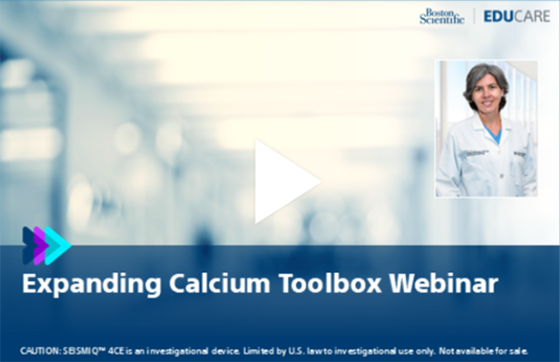
EDUCARE Webinar: Expanding The Calcium Toolbox
In this session, Dr. Margaret McEntegart explores contemporary approaches to managing calcified coronary lesions, including the role of IVL technology within the calcium modification toolbox and an introduction to the SEISMIQ 4CE device. The webinar reviews key findings from the FRACTURE IDE study, discusses imaging-guided treatment planning, compares calcium modification strategies within modern PCI practice, and presents case-based insights to optimize lesion preparation, treatment selection, and procedural outcomes.
Online medical training and education courses
The EDUCARE online platform makes healthcare education and training more relevant, more comprehensive, more personal, and more accessible. Register to access a library of procedural videos, case studies, training resources, and events.


*MACE defined as CV death, MI, TVR.
**Procedural success defined as stent delivery with a final residual stenosis < 50% and freedom from in-hospital MACE.
† MSA at site of max calcium relative to proximal and distal references.
‡ Ventricular capture is per patient per case.
1. McEntegart M. et al. JACC Cardiovasc Interv. 2026;19(20):2710–2722.
2. Mechanistic Effectiveness of Quad-Emitter IVL in Nodular Coronary Calcium: OCT Sub-Analysis of the FRACTURE Trial presented by Prof. James Spratt at TCT 2026 on November 3.
3. Ali et al. Eurointervention 2024:20e1454-e1464.
4. Quad-emitter Intravascular Lithotripsy Modification of Eccentric vs. Concentric Calcium: Insights from FRACTURE OCT Sub-Study presented by Dr. Matthew Price at TCT 2026 on November 3.
5. Outcomes of Quad-Emitter Intravascular Lithotripsy in Females and Males: Insights from FRACTURE Trial presented by Dr. Dhananjay Chatterjee at TCT 2026 on November 3.
6. Price M, Budrys P, Baranauskas A, et al. Laser- and optics-based intravascular lithotripsy for the treatment of calcified coronary stenoses: the RESTORE first-in-human study. Circ Cardiovasc Interv. 2026;19:e016874. DOI: 10.1161/CIRCINTERVENTIONS.126.016874 www.ahajournals.org/doi/pdf/10.1161/CIRCINTERVENTIONS.126.016874
CAUTION: Investigational device. Limited by US law to investigational use only. Not available for sale.