Boston Scientific accounts are for healthcare professionals only.


Ultra Retropubic Mid-Urethral Sling Family
Reimbursement
Configure or select a product to continue to order
- Overview
- Clinical data
- Technical specifications
- Training
- Resources
- Ordering information
Why choose the Ultra sling family
You asked. We answered.
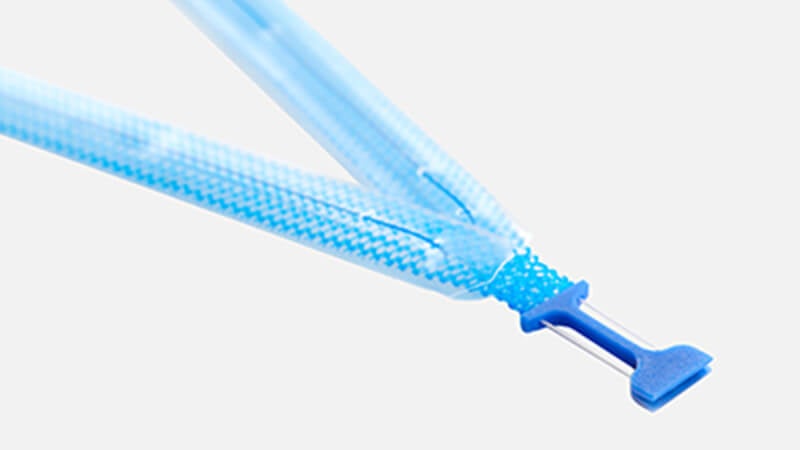

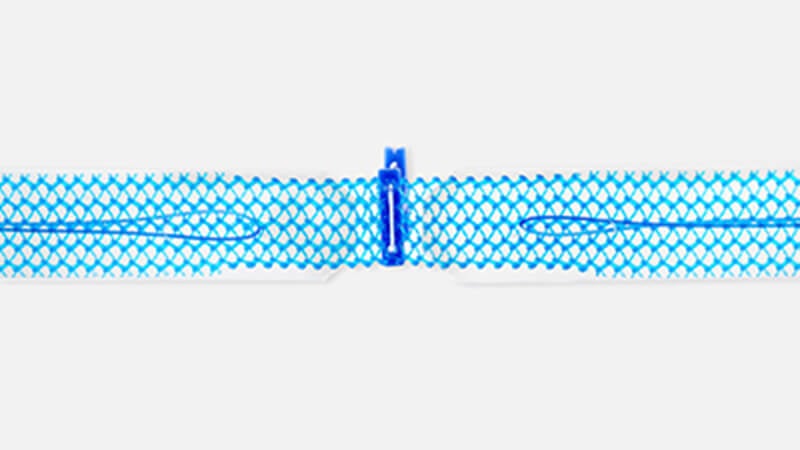
Discover the Ultra sling family
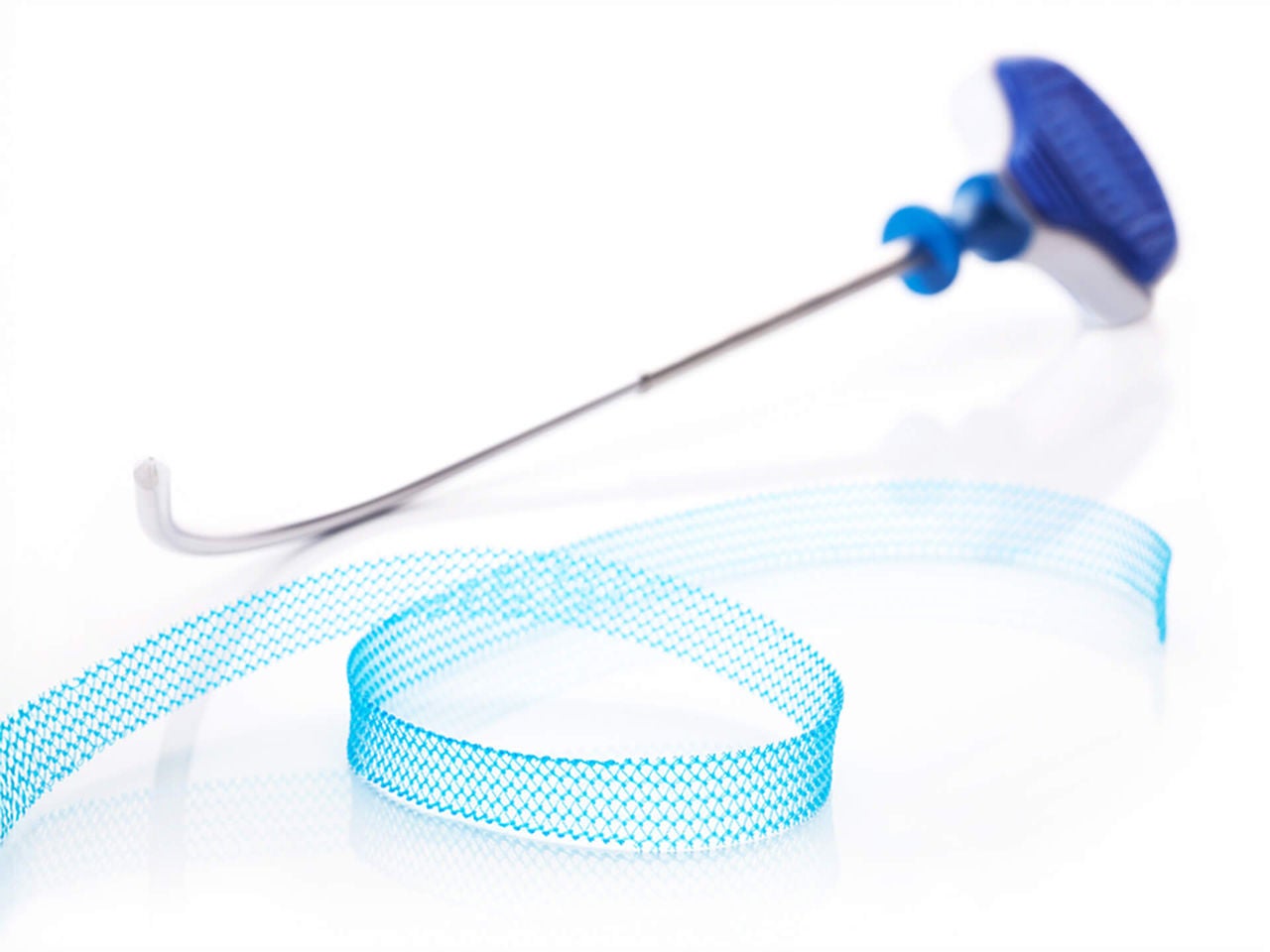
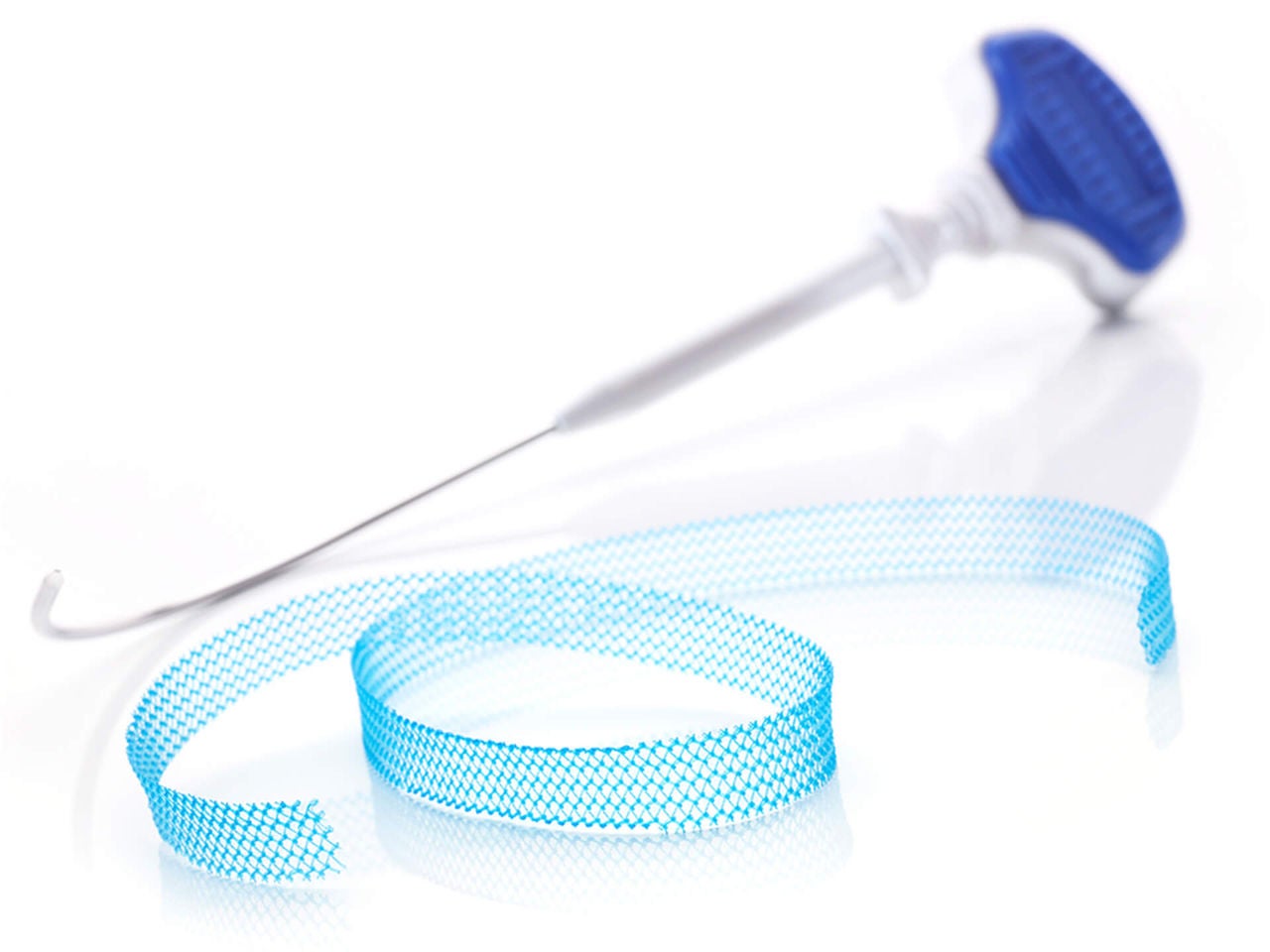
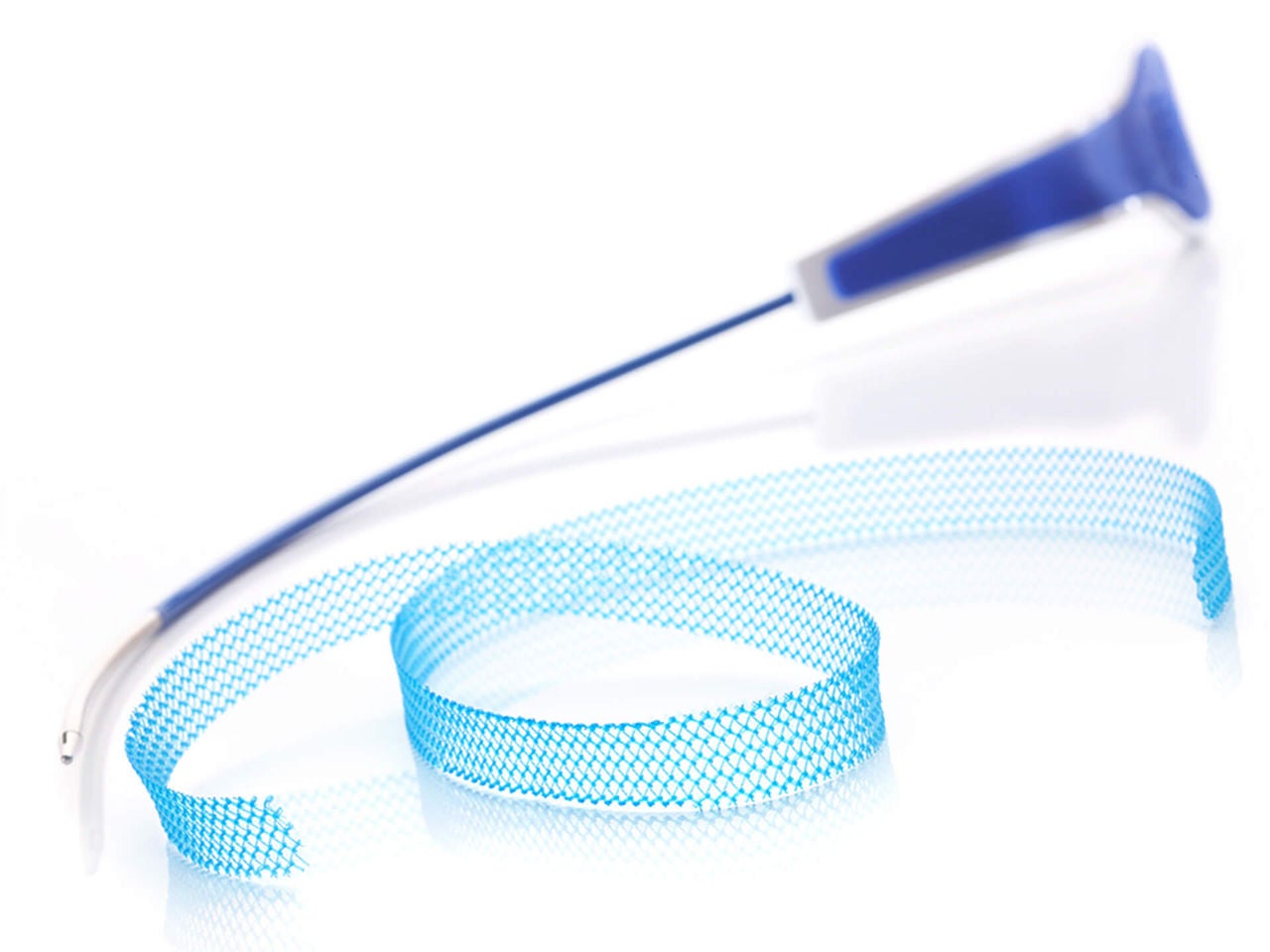
Physician-driven, patient-centered innovation
- Our investment in the pelvic floor space, paired with more than 200 physician touchpoints, has resulted in the Ultra Retropubic Mid-Urethral Sling Family.
- Centering tab and sleeve removal technique are consistent throughout the Ultra sling family, which may make training residents and fellows more efficient.
Michael Ehlert, M.D., FPMRS, from Minnesota Urology, describes how the design of the new Ultra Retropubic Mid-Urethral Sling is intuitive and physician friendly.
Over 25 years of commitment to women’s health
| Comprehensive portfolio of treatment solutions |
| Health economics and market access tools and resources, along with support from a team dedicated to women’s health |
| Investment in clinical research |
| Access to clinical education and product support |
| Commitment to quality |
| Dedicated patient websites; support for patient education seminars |
| Focus on protecting the environment |

Subscribe for updates
Receive emails about the latest female pelvic medicine advances, clinical data, and product news.
Clinical highlights
June 2017, Chevrot et al., published in International Urogynecology Journal
September 2010, Lim et al., published in International Urogynecology Journal
October 2008, Agarwala, published in UroToday International Journal
September 2008, Noblett et al., published in International Urogynecology Journal Pelvic Dysfunction
Discover the Ultra sling family
Advantage and Advantage Fit Ultra
Transvaginal Mid-Urethral Sling Systems
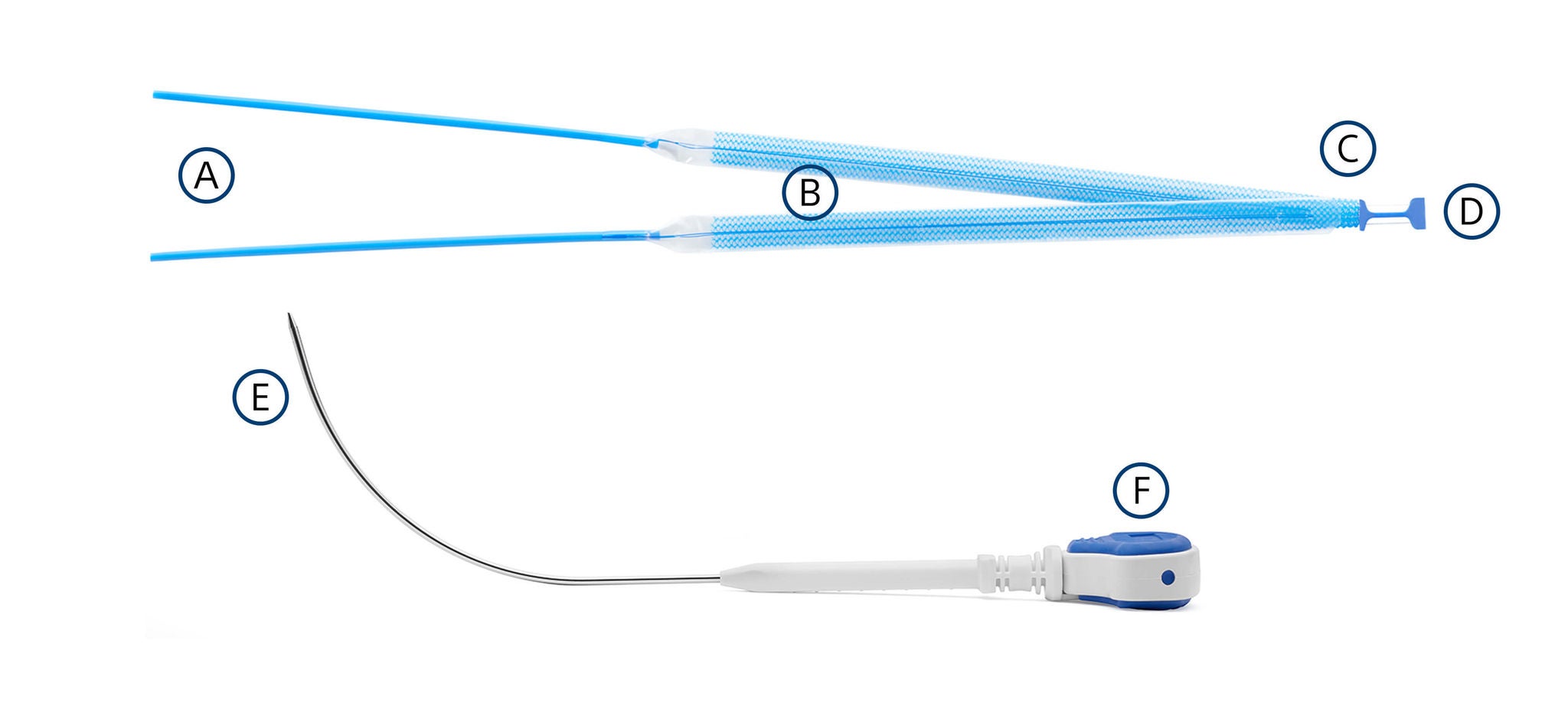 Advantage Fit Ultra Sling System shown
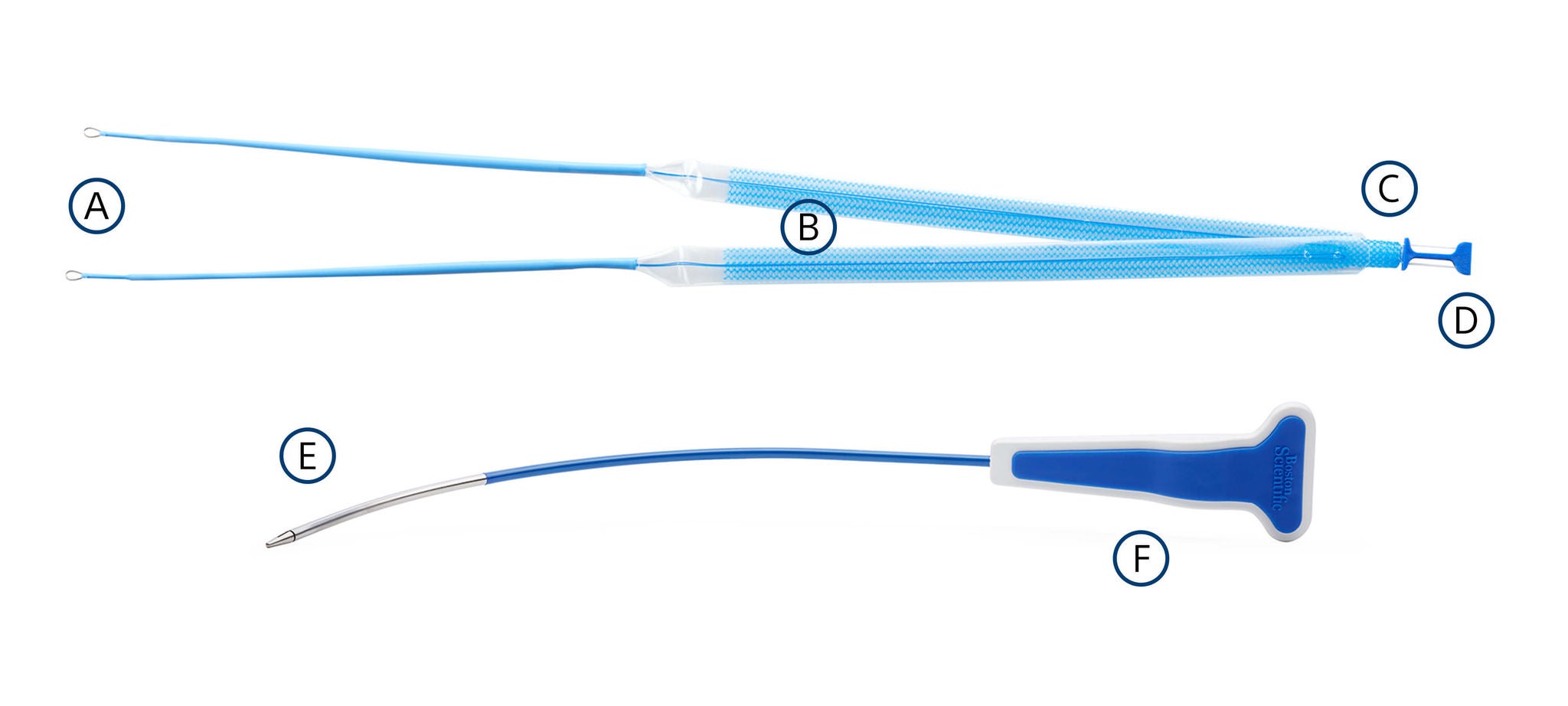
Lynx Ultra
Suprapubic Mid-Urethral Sling System
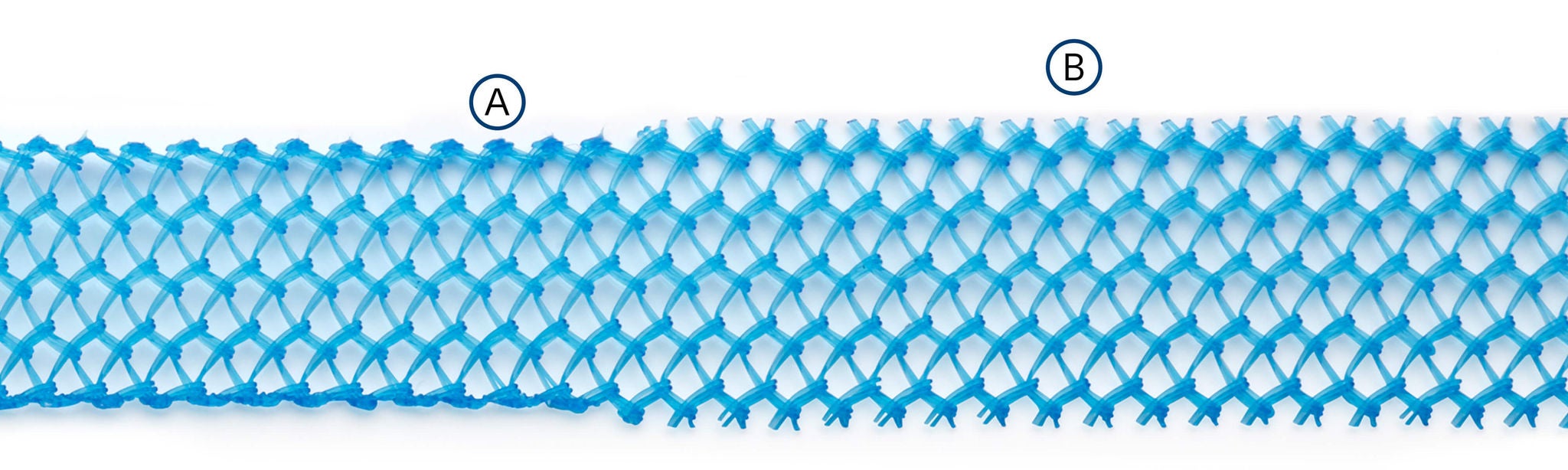
Trusted polypropylene mesh
| Mesh specifications | |
| Thickness | 0.66 mm |
| Pore size | 1182 μm |
| Fiber size (diameter) | 0.15 mm |
| Weight | 100 g/m2 |
| Mesh length | 44.5 cm |
| Exposed mesh length | ~1 cm |
| Delivery device specifications | |
| Sleeve length | 24.7 cm per sleeve |
| Advantage Ultra needle diameter | 5 mm |
| Advantage Fit™ Ultra needle diameter | 2.7 mm |
| Lynx™ Ultra needle diameter | 3.175 mm |
Education and training for urology

Duration: 00:04:39
Date: Jan 2021
Online medical training and education courses
The EDUCARE online platform makes healthcare education and training more relevant, more comprehensive, more personal, and more accessible. Register to access a library of procedural videos, case studies, training resources, and events.


Ultra sling family
Product brochures
Patient resources
Potential economic impact to institutions
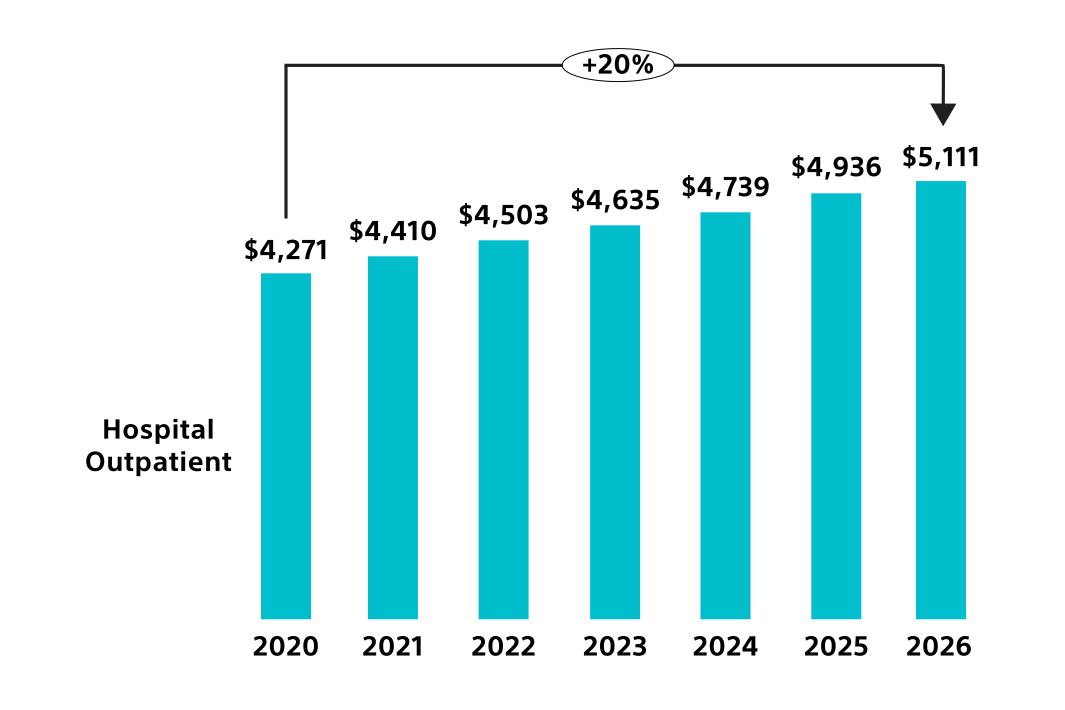
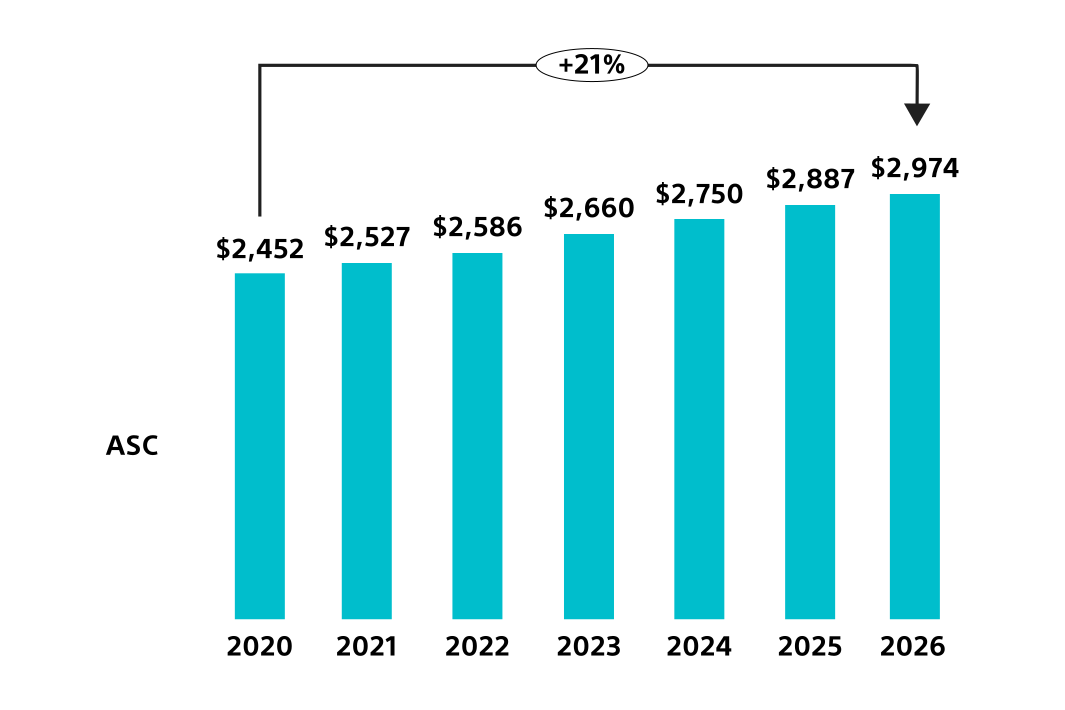
Medicare national average reimbursement for mid-urethral sling surgery, to treat SUI, has seen an overall increase from 2020 to 2026 in both the hospital outpatient department1 and in the ambulatory surgical center (ASC)2
Medicare Hospital outpatient reimbursement for mid-urethral sling surgery increased 20% over 7 years.
Medicare ASC reimbursement for mid-urethral sling surgery increased 21% over 7 years.
- Centers for Medicare and Medicaid Services. Hospital Outpatient Prospective Payment System Final Rules Addendum B (2020–2026). Hospital Outpatient Regulations and Notices | CMS.
- Centers for Medicare and Medicaid Services. Ambulatory Surgical Center Payment System Final Rules Addendum AA (2020–2026). ASC Regulations and Notices | CMS.
Ordering information
UPN | Description | Quantity |
| Transvaginal approach | ||
M0068502060 | Advantage Ultra Transvaginal Mid-Urethral Sling System | 1 delivery device and 1 mesh assembly |
M0068502160 | Advantage Fit™ Ultra Transvaginal Mid-Urethral Sling System | 1 delivery device and 1 mesh assembly |
| Suprapubic approach | ||
| M0068503060 | Lynx™ Ultra Suprapubic Mid-Urethral Sling System | 2 delivery devices and 1 mesh assembly |
Caution: U.S. federal law restricts this device to sale by or on the order of a physician trained in use of surgical mesh for repair of stress urinary incontinence. Refer to the instructions for use for this product for complete indications for use, contraindications, warnings, precautions, adverse events, and instructions prior to using this product.
The following adverse events have been reported due to suburethral sling placement, any of which may be ongoing, but are not limited to: as with all implants, local irritation at the wound site and/or a foreign body response may occur, foreign body reaction may be acute or chronic, pain (pelvic, vaginal, groin/thigh, suprapubic, dyspareunia) (acute or chronic), dyspareunia, tissue responses to the mesh implant could include: erosion into organs (urethra, bladder or other surrounding tissues); exposure/extrusion into the vagina, mesh contact with urine via erosion/exposure/extrusion may result in stone formation, scarring/scar contracture, necrosis, fistula formation (acute or chronic), inflammation (acute or chronic), mesh contracture, tissue contracture, vaginal shortening or stenosis that may result in dyspareunia and/or sexual dysfunction, pain with intercourse that may not resolve, exposed mesh may cause pain or discomfort to the patient’s partner during intercourse, sexual dysfunction, including the inability to have intercourse. Like all foreign bodies, the mesh may potentiate an existing infection. Allergic reaction has been reported. Known risks of surgical procedures for the treatment of incontinence include: pain, ongoing pain (pelvic, vaginal, groin/thigh, suprapubic, dyspareunia), severe, chronic pain, apareunia, leg weakness, infection, de novo detrusor instability, complete failure of the procedure/failure to resolve a patient’s stress urinary incontinence, voiding dysfunction (incontinence, temporary or permanent lower urinary tract obstruction, difficulty urinating, pain with urination, overactive bladder, and retention), bruising, bleeding (vaginal, hematoma formation), abscess, vaginal discharge, dehiscence of vaginal incision, edema and erythema at the wound site, perforation or laceration of vessels, nerves, bladder, urethra or bowel may occur during placement. The following additional adverse events have been reported for the Solyx SIS System: dysuria, hematuria. The occurrence of these events may require surgical intervention and possible removal of the entire mesh. In some instances, these events may persist as a permanent condition after surgical intervention or other treatment. Removal of mesh or correction of mesh-related complications may involve multiple surgeries. Complete removal of mesh may not be possible and additional surgeries may not always fully correct the complications.