My account

Boston Scientific accounts are for healthcare professionals only.

Create an account to access online training and education on EDUCARE, manage your customer profile, and connect with customer support and service teams.

My Boston Scientific account

Access your online applications and manage your customer profile.

Quick Links

Call customer care

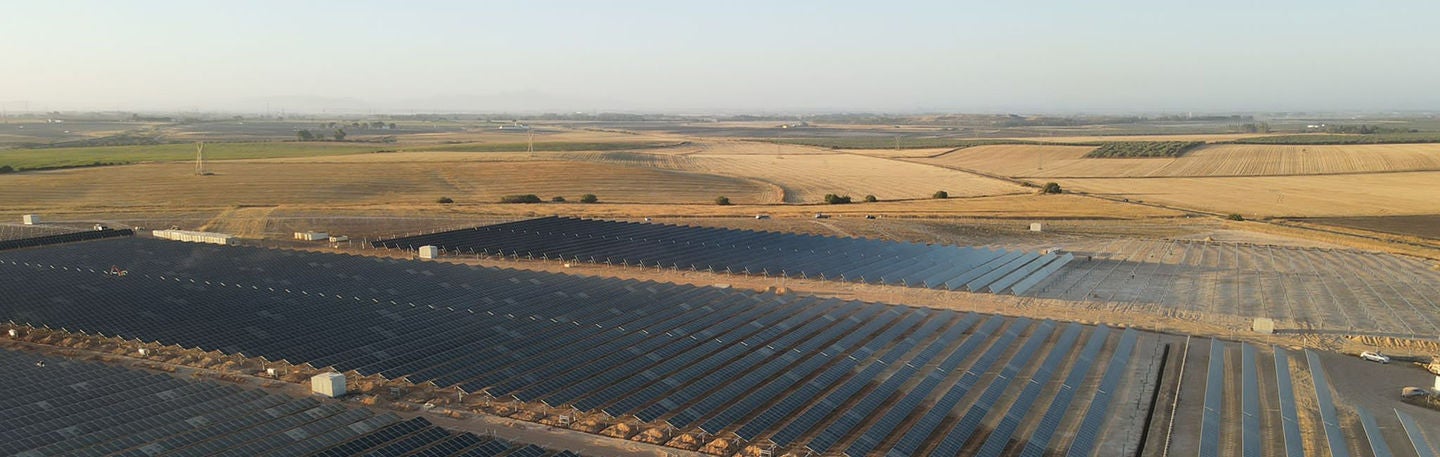
Large solar farm in rural landscape.

Healthier planet

Climate change

We are working to reduce greenhouse gas emissions across our operations and value chain while strengthening resilience to climate-related risks.

Our path to net zero

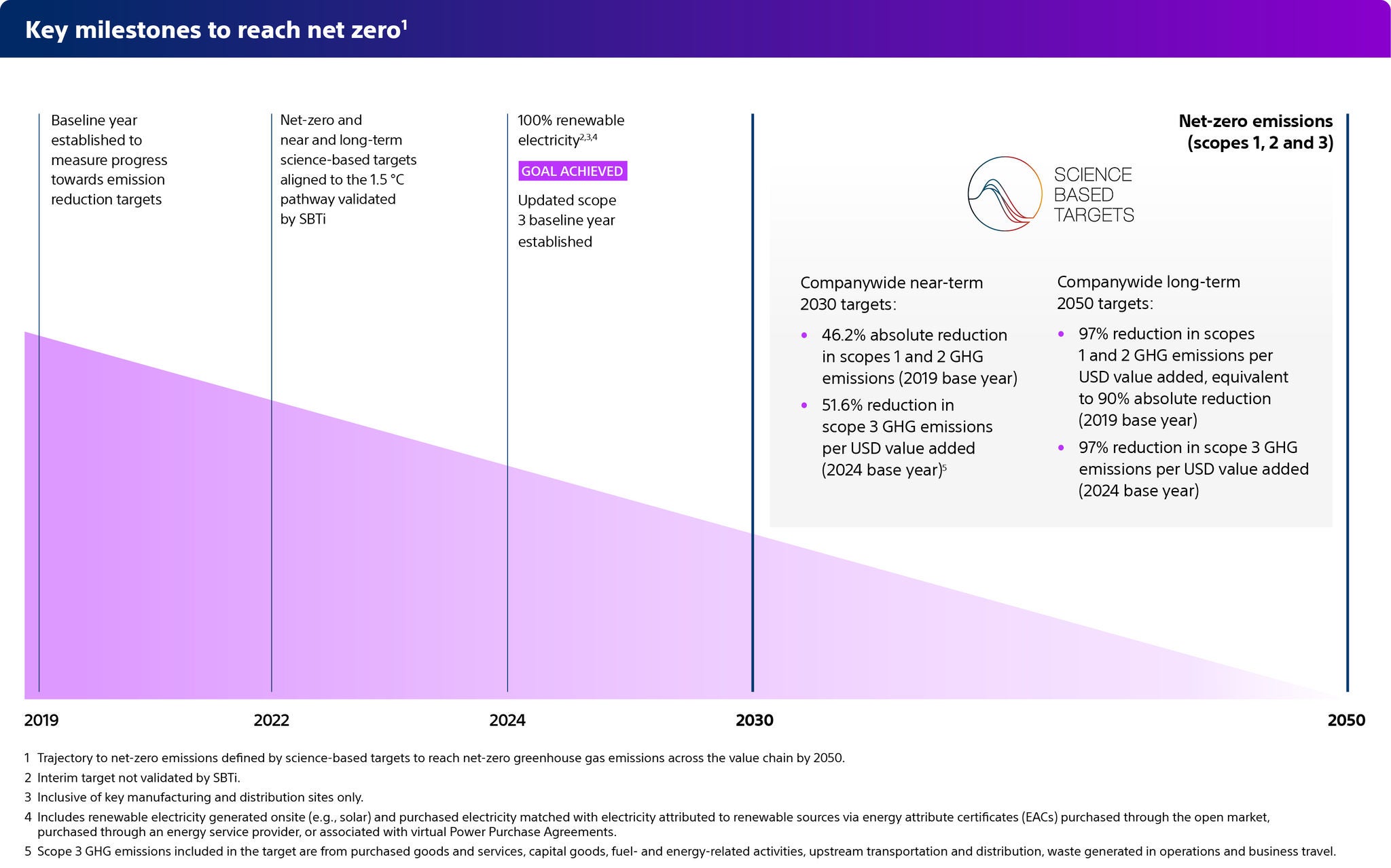
We are on course to reach net-zero greenhouse gas (GHG) emissions across our value chain by 2050. Our ambition is validated by the Science Based Targets initiative (SBTi) and prioritizes energy efficiency, renewable energy and addressing residual emissions through carbon offsets.


Decarbonizing our operations (scopes 1 and 2)

Reducing emissions from our facilities through energy efficiency, electrification and renewable energy.

Our scopes 1 and 2 decarbonization strategy

Our approach

Since 2017, we have worked toward carbon neutrality across our key manufacturing and distribution sites, guided by our Global Energy Management System Policy. We prioritize improving energy efficiency, electrifying and converting facilities to renewable energy sources, and developing new sites as fully electric where feasible. Emissions reduction comes first, with carbon offsets used only for remaining emissions.

Activities completed in 2025:

  • Completed all-electric new buildings and major site expansions at five locations.
  • Certified an additional site to ISO-50001 (total: 14 of 16 key manufacturing and distribution sites).
  • Operated nine utility-scale solar farms under vPPAs.
  • Invested $32M capex in decarbonization and energy efficiency projects at our key sites .
  • Advanced electrification by installing electric heat pumps and boilers at major sites in Galway and Minnesota (Arden Hills).
  • Expanded on-site solar PV in Coyol, Costa Rica with new 1.2 MWp system, bringing total capacity across all sites to 11 MWp.
  • Achieved LEED Silver Certification at our new facilities at Johns Creek, GA and Lingang, China, bringing total certified sites to 22.

Reducing value chain emissions (scope 3)

We work with suppliers and logistics partners to lower emissions across our global supply chain.

How we are reducing scope 3 emissions

Engaging with our suppliers

We collaborate with suppliers to better understand and implement sustainability initiatives that can have the greatest impact, focusing on the following:

  • Identifying the top 75% of suppliers by spend, including those in high impact categories.
  • Conducting climate surveys and strategic business reviews.
  • Sharing sustainability best practices and supporting target setting and progress tracking.
  • Pursuing abatement and reduction levers, and addressing emissions hotspots together.

Improving transportation and logistics

We are making our supply chain more efficient and sustainable while maintaining reliable product delivery, focusing on three key areas:

1. Optimized shipping

Our shipping network is being streamlined by eliminating unnecessary stops and increasing direct routes. Where possible, products are shipped directly to customers and freight is shifted from air to sea to reduce emissions.

2. Streamlined product instructions

By expanding the use of downloadable Instructions for Use (IFUs), we are reducing paper use and enabling lighter, more fuel-efficient shipments. Where printed IFUs are required, we provide only local-language versions. In 2025, paper IFUs were removed across 14 product families.

3. Reengineered pallet densities

We are redesigning pallet configurations to ship more units per pallet. This reduces the number of sterilization cycles and shipping containers needed, lowering transportation emissions and improving overall efficiency.
  1. Represents GAAP R&D expense per Annual Report on Form 10-K.
  2. Represents GAAP R&D expense as a percentage of GAAP net sales per Annual Report on Form 10-K.