Boston Scientific accounts are for healthcare professionals only.

EluPro™ Antibiotic-Eluting BioEnvelope
Reimbursement
Configure or select a product to continue to order
- Overview
- Implant technique
- Ordering information
- Resources
Overview
EluPro Antibiotic-Eluting BioEnvelope
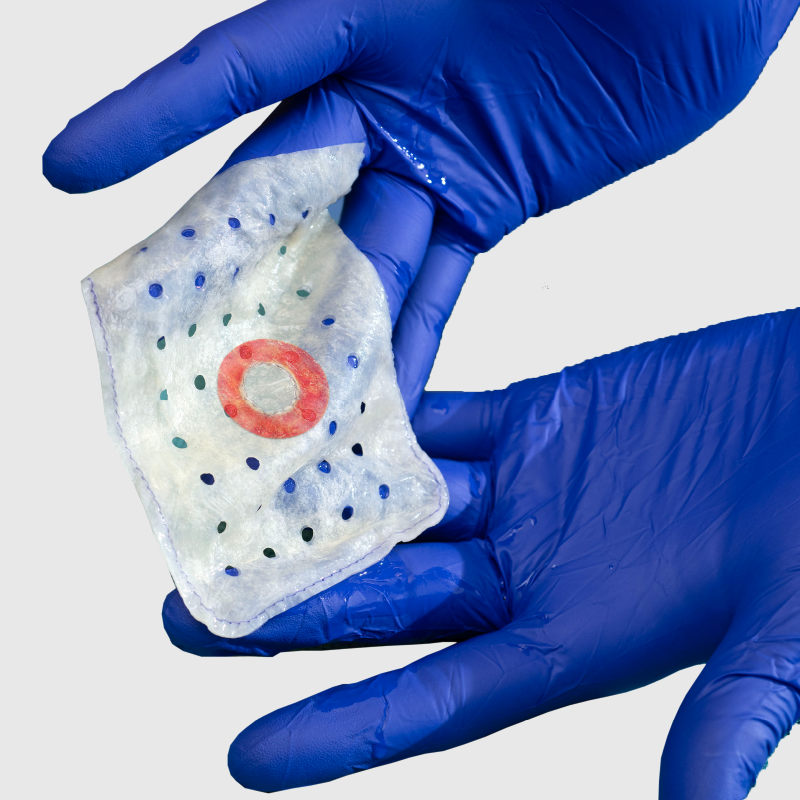
EluPro BioEnvelope provides localized antibiotic protection, supports natural healing, and contributes to a more manageable pocket over time for safer, more stable cardiac implants.1
How it works
EluPro pairs local antibiotic delivery with regenerative extra cellular matrix (ECM) technology in an innovative approach to CIED pocket healing. The bioenvelope delivers the trusted antibiotics rifampin and minocycline directly at the implant site, providing broad-spectrum protection against pathogens linked to CIED infections.2,3 The antibiotics elute locally over at least seven days,3 helping maintain effective levels during the period of highest infection risk without increasing systemic antibiotic exposure.¹
By combining antimicrobial defense with a biologic scaffold, EluPro helps create a more physiologic implant environment, supports healthy tissue regrowth, and reduces pocket fibrosis, migration, and erosion.1,3-4 The bioenvelope is designed to make long-term pocket management more predictable by mitigating complications associated with scar formation.1,3
Why choose the EluPro BioEnvelope?
EluPro combines proven infection protection with regenerative healing in one bioenvelope, helping reduce post-implant complications while supporting healthy, vascularized tissue growth.

100% bacterial kill in preclinical testing
Evidence source note: The bacterial-kill findings summarized below are based on preclinical testing and cited in references 3 and 5.
Successfully eliminated bacterial colonization, thus reducing the potential for infection.3,5

Soft feel and natural lubricity
Evidence source note: The handling and lubricity findings summarized below are based on bioenvelope evaluation data and cited in references 1 and 6.
Conforms to the shape of the CIED to enhance the implantation experience with no modification necessary to the envelope or incision.1,6

Supports natural biologic healing
Evidence source note: The biologic healing findings summarized below are based on preclinical and clinical ECM bioenvelope evidence cited in references 1 and 7.
Reduces foreign-body response, which mitigates inflammation and fosters vascularization and integration.1,7

The EluPro Antibiotic-Eluting BioEnvelope has earned Vizient’s Innovative Technology designation. This designation recognizes technologies that demonstrate innovation and the potential to make a meaningful difference in clinical and economic outcomes.
Key features and specifications
Localized antibiotic protection
EluPro delivers rifampin and minocycline directly at the implant site, providing broad-spectrum antimicrobial protection against pathogens most often associated with CIED infections.2,3 The antibiotics elute gradually for at least seven days3, maintaining effective levels during the period of highest infection risk.
Biologic matrix for natural healing
Constructed from a biocompatible, biologic material, the EluPro BioEnvelope supports natural tissue remodeling and vascularization.1,6-8 This regenerative scaffold minimizes inflammation and foreign-body response, helping create a stable implant pocket with healthy tissue.
Enhanced surgical handling
The soft, conformable biomatrix easily adapts to various CIED shapes and sizes. Its natural lubricity supports device placement, pocket closure, and procedural efficiency while maintaining structural integrity during handling.1,6
Reduced reoperation complexity
In clinical studies, the bioenvelope technology has been shown to decrease lead adhesions and simplify reoperative procedures.1,7-8 The result is easier device replacement and less disruption to surrounding tissue.
Extended local efficacy without systemic impact
By concentrating antibiotic activity at the surgical site, EluPro reduces reliance on systemic antibiotic dosing.3 This targeted approach may provide high local efficacy while limiting systemic exposure and potential antibiotic resistance concerns.
EluPro is MR Safe. MR Safe items pose no safety hazards in the MR environment. They may be placed anywhere in the MR environment. Patients with MR Safe devices have no scanning restrictions.
Implant technique
EluPro offers a quick, easy implant technique that fits your workflow.
Step 1:
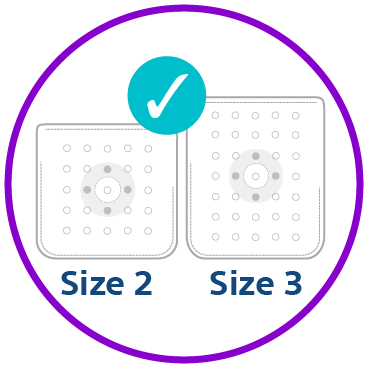
To use, select the appropriate size EluPro for the CIED. Handle the sterile bioenvelope using aseptic technique.
Step 2:
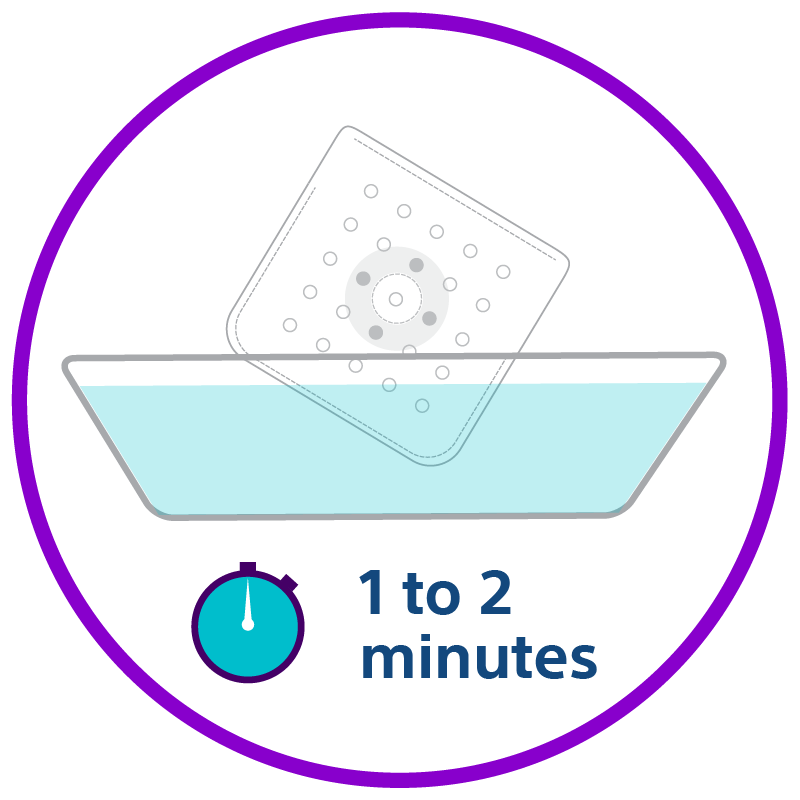
Hydrate EluPro by immersing it completely in sterile solution (e.g. saline, water) for 1-2 minutes.
Step 3:
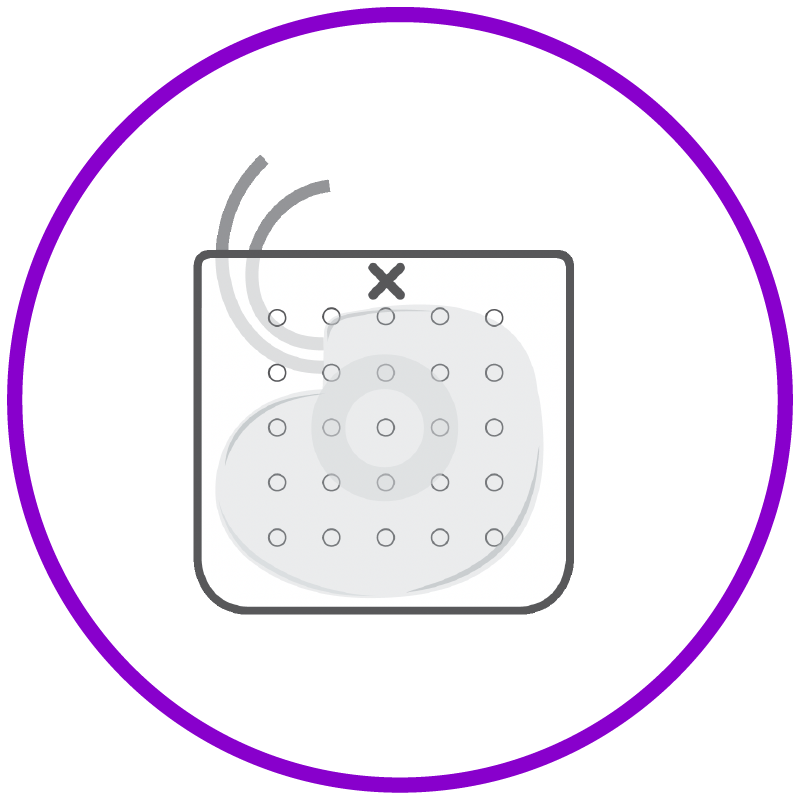
Slide the CIED into EluPro, with lead wires emerging out of the opening. Secure the bioenvelope with one stitch.
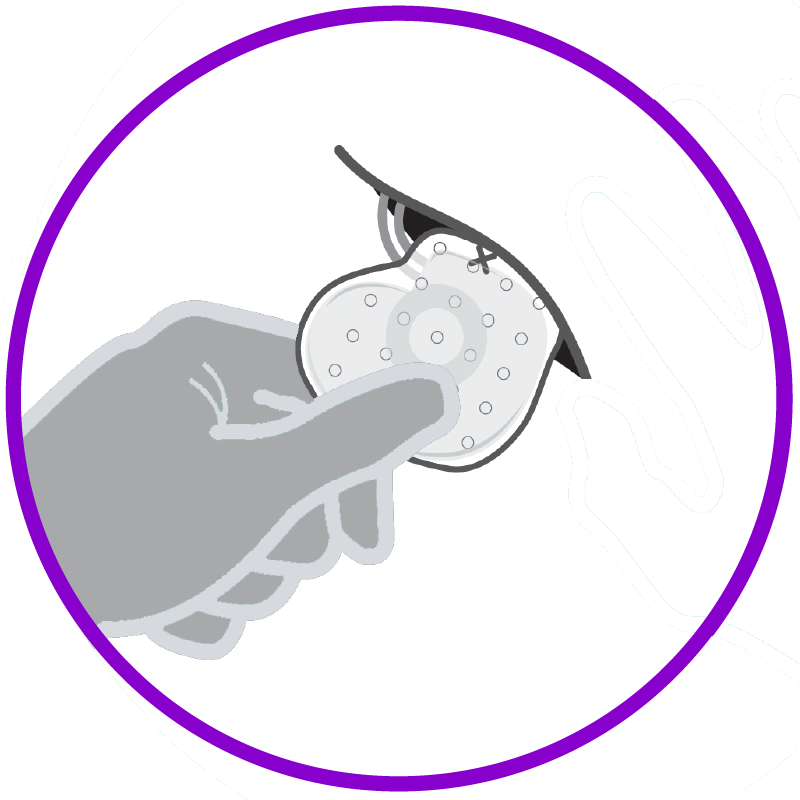
Step 4:
Implant the CIED with the bioenvelope into the pocket and secure it to the fascia per standard practice.
Ordering information
| Description | Model | Specs | Quantity |
| EluPro BioEnvelope Size 2 | BE02 | 6.9cm x 6.5cm | Single pack |
| EluPro BioEnvelope Size 3 | BE03 | 6.9cm x 8.0cm | Single pack |
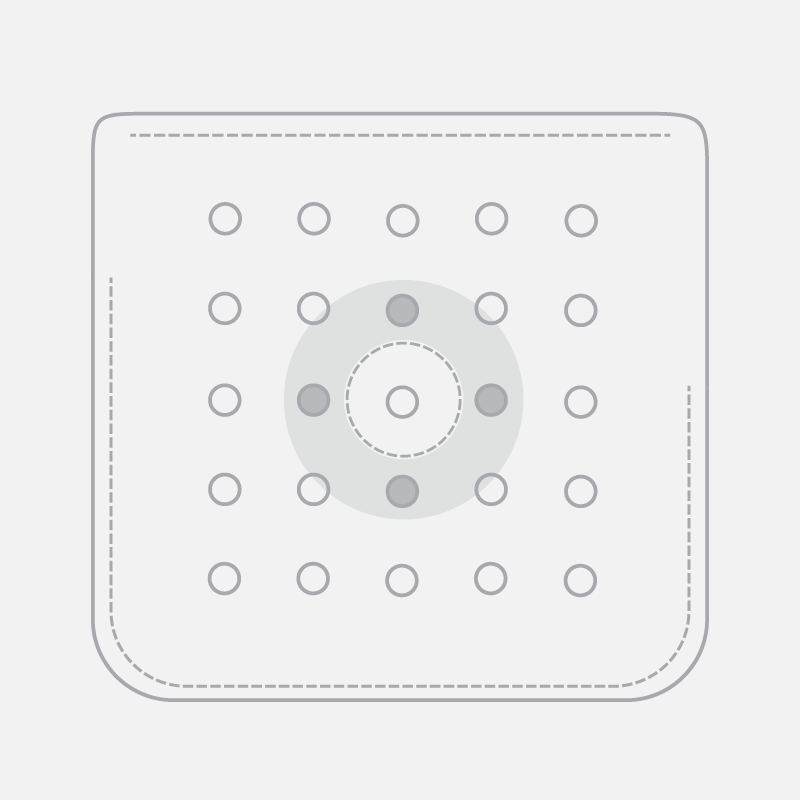
EluPro BioEnvelope size 2 BE02
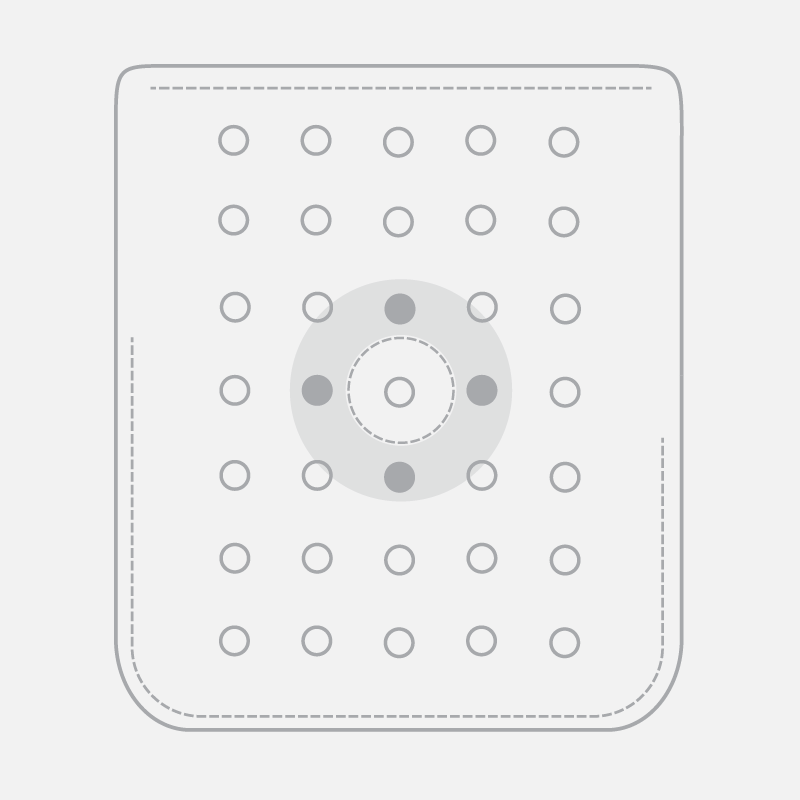
EluPro BioEnvelope size 3 BE03
Resources
The EluPro difference
EluPro is designed to do more than protect the pocket. It combines trusted local antibiotic delivery with regenerative extracellular matrix (ECM) technology to support a healthier implant environment from implantation through long-term pocket healing.3
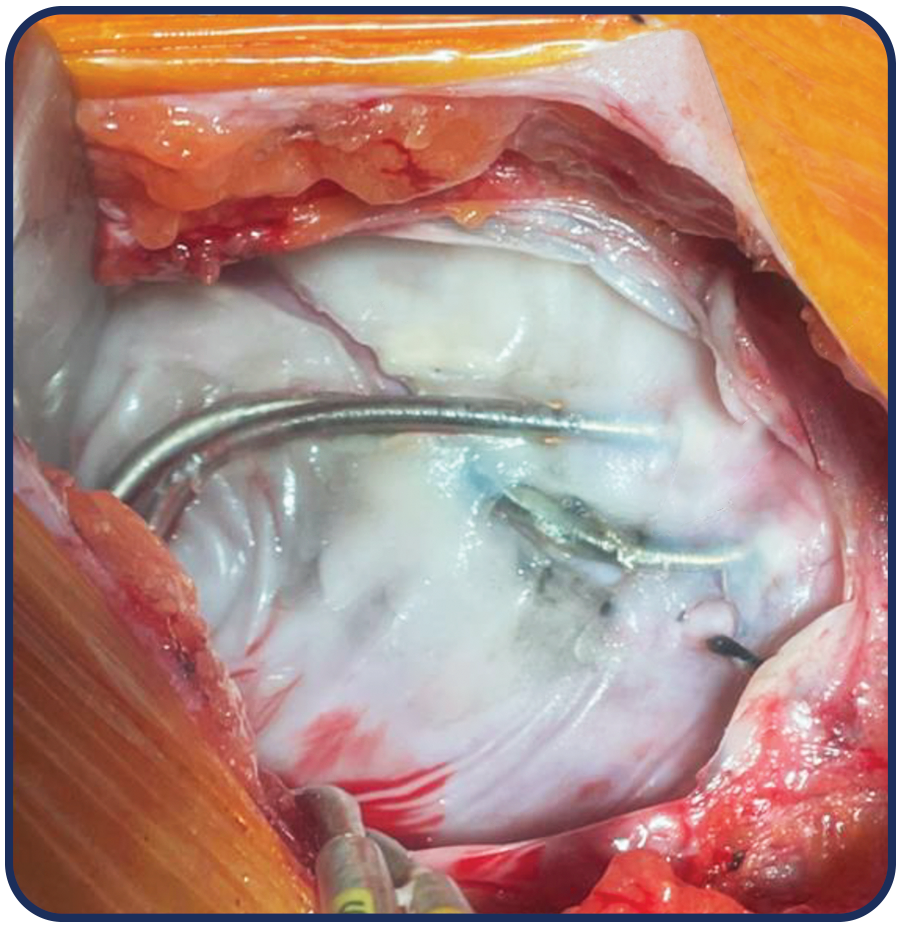
- Supports healthier pocket remodeling. Regenerative ECM technology promotes vascularized tissue integration while reducing fibrosis over time.1,3
- In preclinical studies, the bioenvelope was shown to mitigate inflammation. 1,3
Designed for easier reoperations. Clinical experience with ECM bioenvelopes has shown reduced lead adhesions and healthier, more manageable implant pockets during device replacement procedures.1,6
Addresses both infection prevention and pocket healing by combining two complementary technologies, local antibiotic protection plus regenerative ECM.1,3
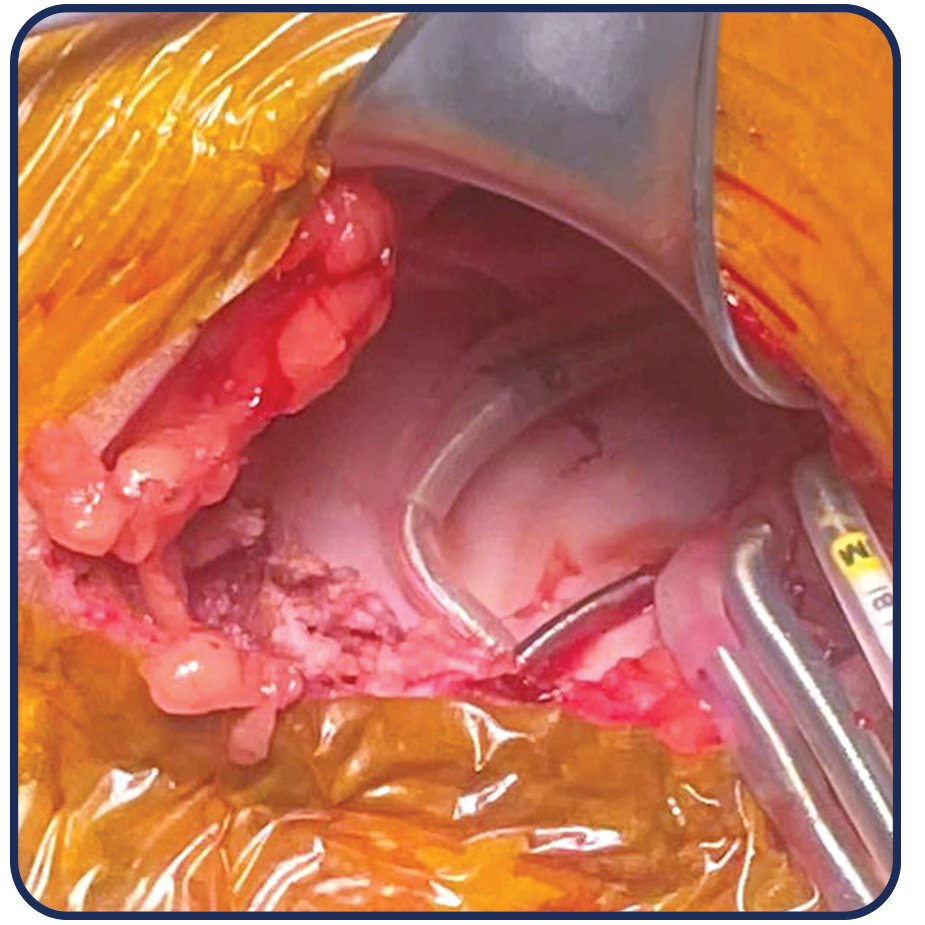
BioEnvelope patient
Vascularized healthy-tissue pocket1,3
Pro-remodeling Response1,3
Non-Envelope patient
Fibrotic tissue1,3
Chronic Inflammatroy Response1,3
Brochure
Videos
Optimizing the device pocket: My experience with the EluPro Antibiotic-Eluting BioEnvelope
Dr. Jonathan Weinstock FACC, FHRS and Dr. Sunil Kapur explore the challenges of CIED pocket healing, the importance of long-term pocket health, and how EluPro leverages extra cellular matrix technology to support a biologic approach to tissue remodeling.
Explore cardiac rhythm management solutions
Discover innovative products, technologies and resources designed to support cardiac rhythm management, from procedure through patient follow-up.

Subscribe for updates on EluPro
Receive timely updates on significant announcements, exclusive opportunities to engage with peers through educational events, and access valuable tools to enhance your ability to assist more patients.
Related products

References:
- Catanzaro JN, et al. Preclinical and clinical evaluation of ECM bioenvelopes for preventing CIED pocket complications. Front Cardiovasc Med. 2025;12:1638929. doi:10.3389/fcvm.2025.1638929 www.frontiersin.org/journals/cardiovascular-medicine/articles/10.3389/fcvm.2025.1638929
- Sohail MR, Uslan DZ, Khan AH, et al. Management and outcome of permanent pacemaker and implantable cardioverter-defibrillator infections. J Am Coll Cardiol. 2007;49(18):1851-1859. doi:10.1016/j.jacc.2007.01.072 www.frontiersin.org/journals/drug-delivery/articles/10.3389/fddev.2024.1441956/full
- *Garrigos ZE, Catanzaro JN, Deegan D, Zhang J, Sohail MR. Preclinical evaluation of a novel antibiotic-eluting BioEnvelope for CIED infection prevention. Front Drug Deliv. 2024;4:1441956. doi:10.3389/fddev.2024.1441956
- Haney LC, et al. More Than 400 Uses of an Intestinal Submucosal Extracellular Matrix Patch in a Congenital Heart Program. Ann Thorac Surg. 2022;114(4):1475-1483. doi:10.1016/j.athoracsur.2021.06.087
- Büttner H, Kramer A, Fux M, et al. Bacterial colonization and infection prevention in implantable devices: insights from preclinical models. Front Cell Infect Microbiol. 2015;5:14.
- Catanzaro J, Bilchick KC, Christopher TJ, et al. Po-05-050 Biologic Cardiovascular Electronic Device Envelopes Enhance Pocket Healing and Simplify Reoperative Procedures. Heart Rhythm. 2023;20(5):S712-S713. doi:10.1016/j.hrthm.2023.03.1478 www.heartrhythmjournal.com/article/S1547-5271%2823%2901783-6/fulltext
- *Deegan D, Piasecki SK, Riebman JB. An acellular biologic extracellular matrix envelope for cardiovascular implantable electronic devices: preclinical evaluation. J Regen Med. 2022;11(5):Article 5. doi:10.1097/01.mat.0000841052.84245.36 www.scitechnol.com/peer-review/an-acellular-biologic-extracellular-matrix-envelope-for-cardiovascular-implantable-electronic-devices-preclinical-evaluation-5C9h.php?article_id=20752
- **Srivastava A, Nayak HM. HeartRhythm Case Rep. 2023;9(11):797-799. doi:10.1016/j.hrcr.2023.08.007
*Bench Test or pre-clinical study results may not necessarily be indicative of clinical performance.
**Results from case studies are not necessarily predictive of results in other cases. Results in other cases may vary.
CAUTION: The law restricts these devices to sale by or on the order of a physician. Indications, contraindications, warnings, and instructions for use can be found in the product labeling supplied with each device or at www.IFU-BSCI.com. Products shown for INFORMATION purposes only and may not be approved or for sale in certain countries.