Boston Scientific accounts are for healthcare professionals only.
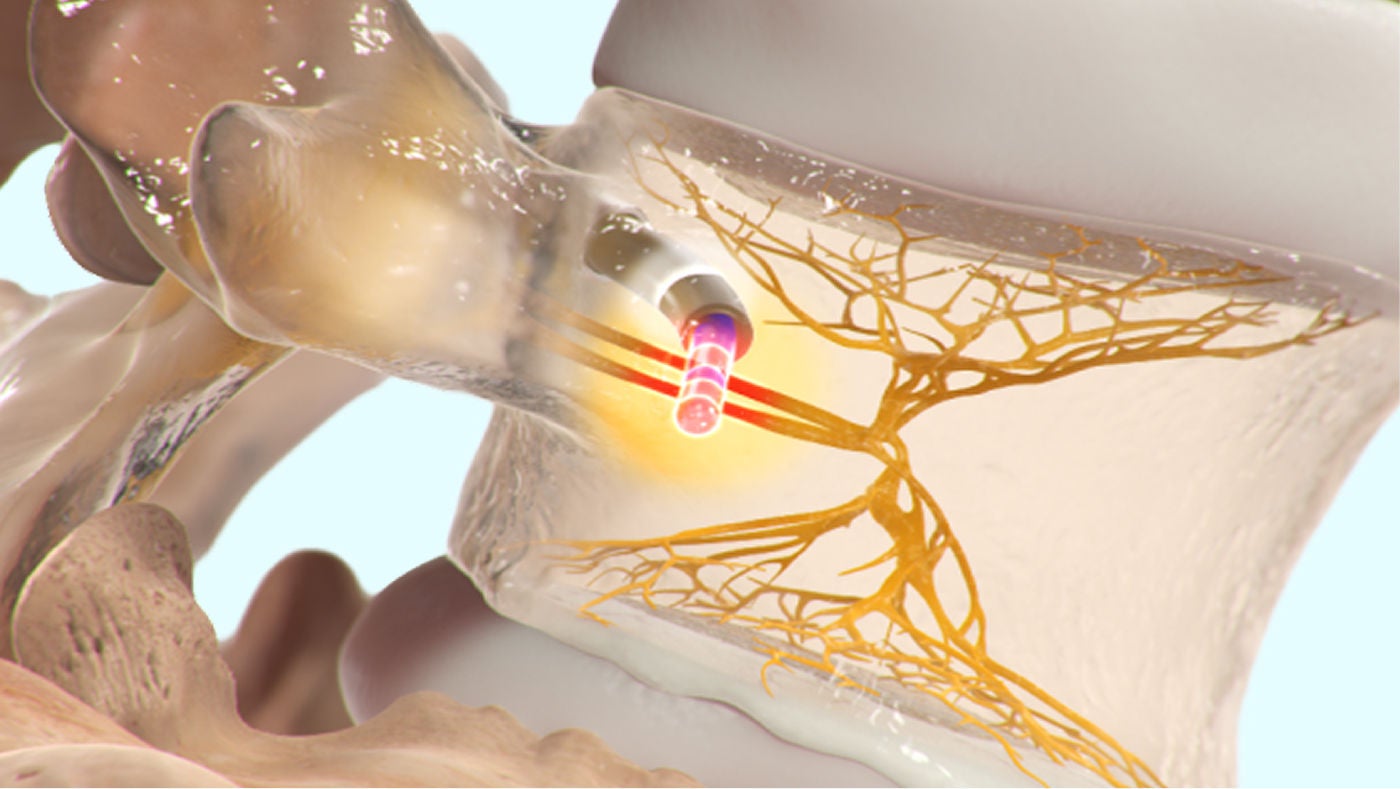
Setting the gold standard in vertebrogenic pain relief
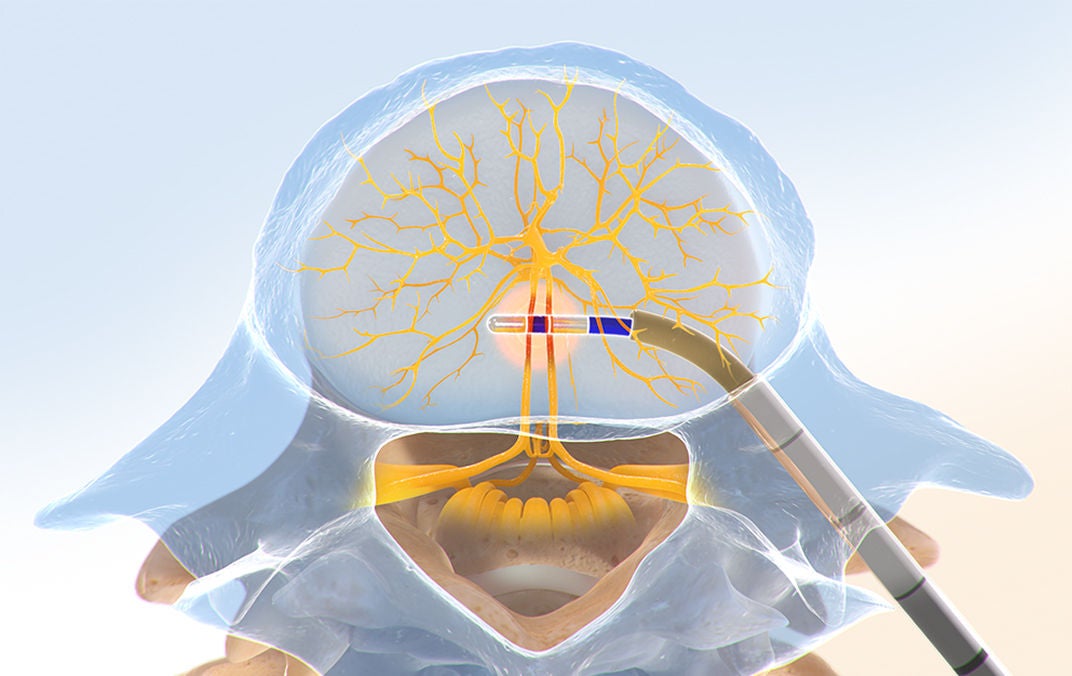
Watch how the Intracept Procedure works to access and target the basivertebral nerve in the treatment of vertebrogenic pain.
Intracept Procedure steps
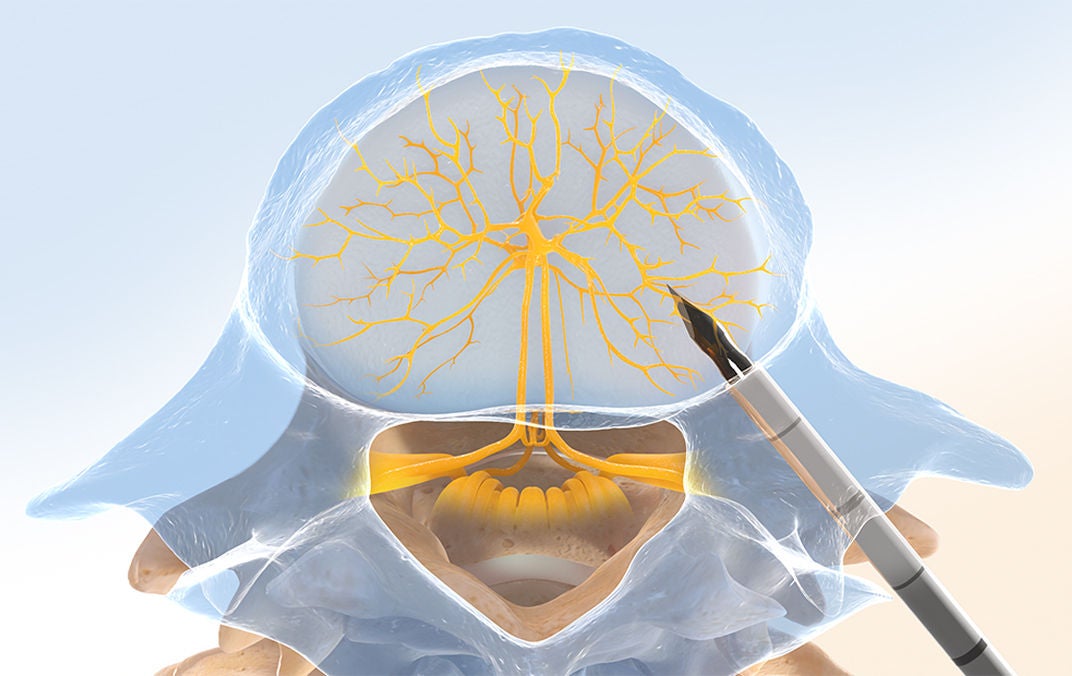
1. Access the pedicle
Under fluoroscopic guidance, the Intracept™ Introducer Cannula Assembly is advanced through the pedicle.
2. Create the channel
The Intracept™ Curved Cannula Assembly is used to create a channel to the trunk of the basivertebral nerve.
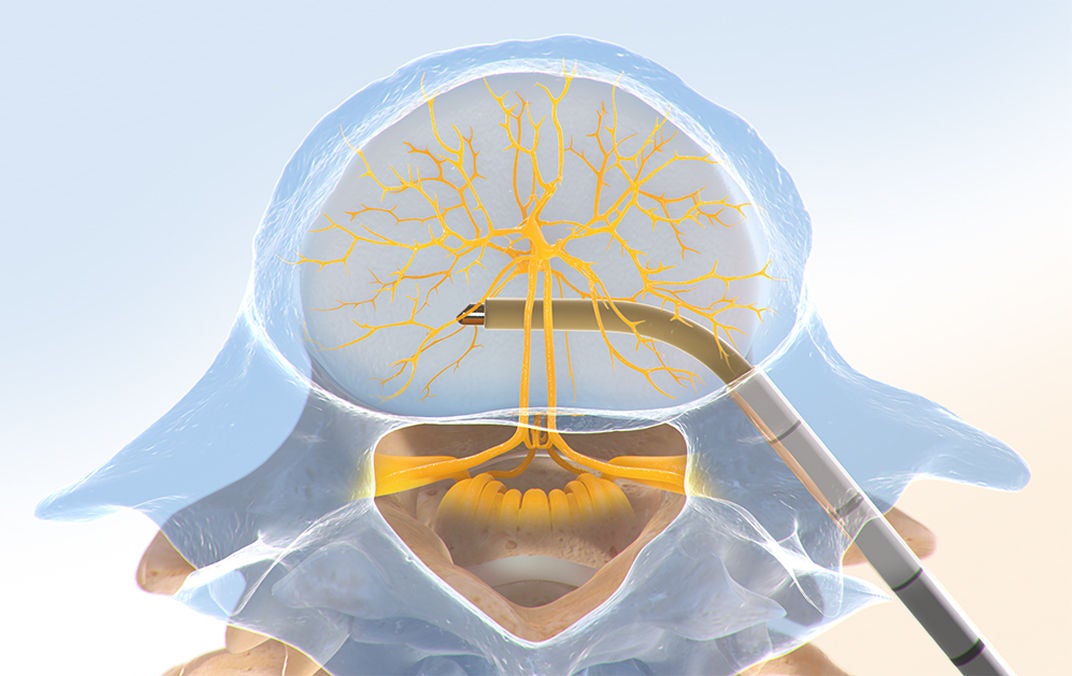
3. Place the RF Probe
The Intracept™ RF Probe is inserted into the curved path and placed at the trunk of the basivertebral nerve.
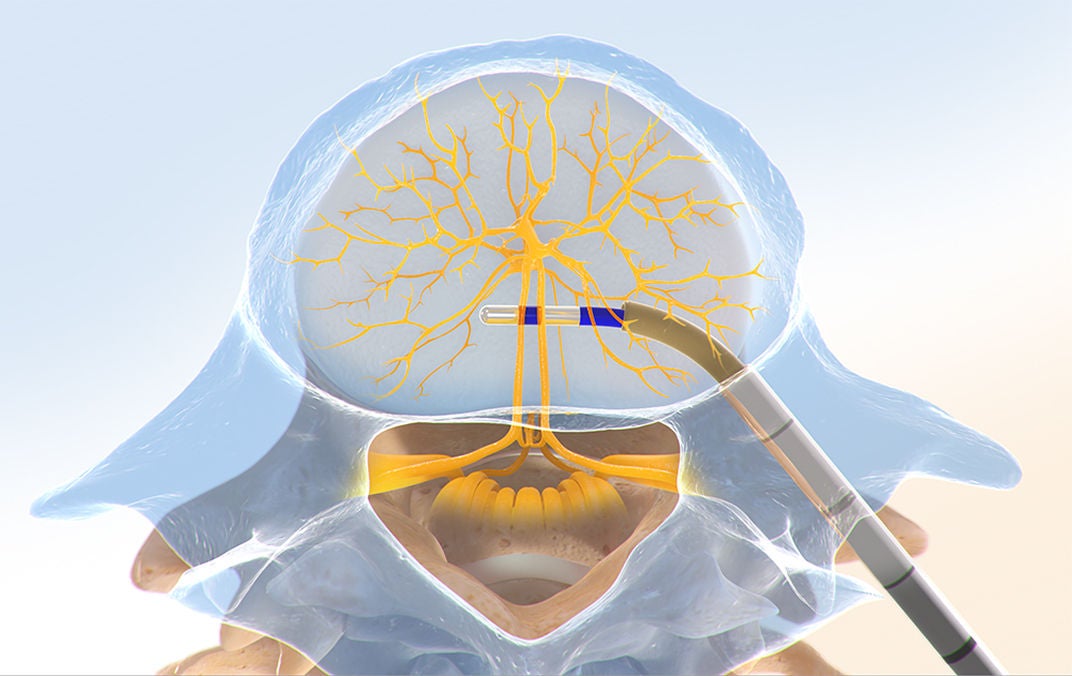
4. Ablate the BVN
The Intracept™ RF Generator is used to deliver radiofrequency energy that ablates the basivertebral nerve.
Case study
Watch an Intracept™ Procedure discussion featuring Dr. Greg Moore
Meet the Intracept System
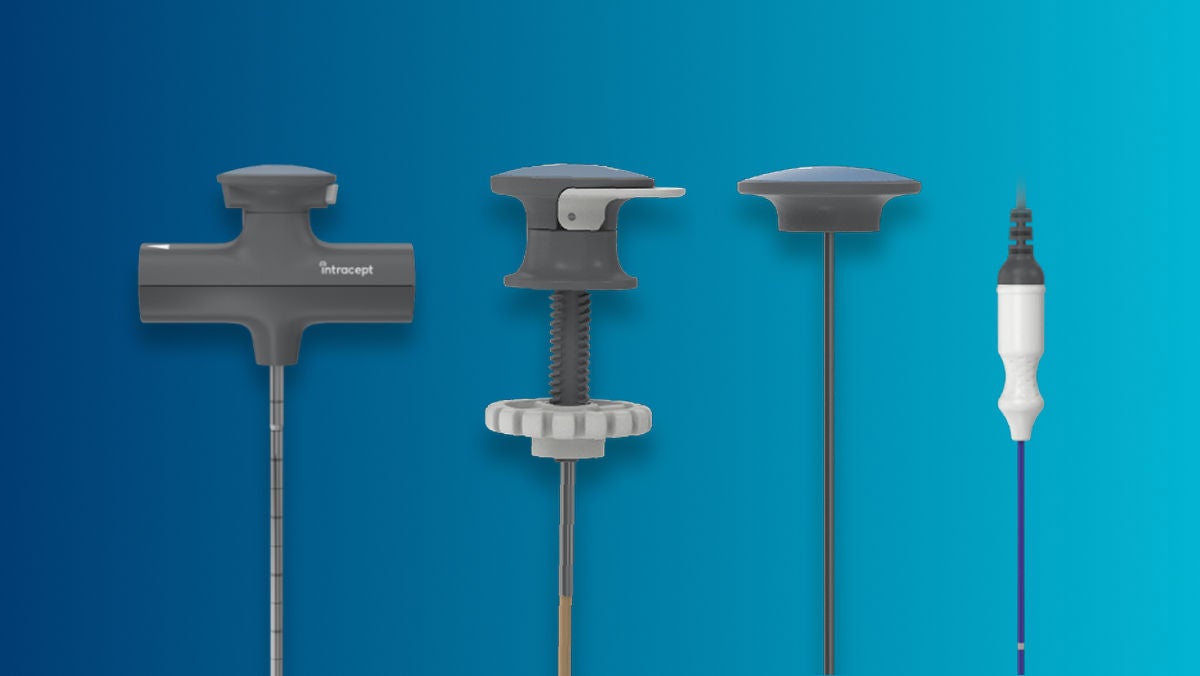
The proven, durable and safe Intracept™ Procedure features purpose-built Intracept Access Instruments for predictable and precise targeting of the basivertebral nerve.
Reimbursement support
- Established ICD-10-CM code for vertebrogenic low back pain (M54.51) and two Category I CPT codes for BVN ablation (64628 and 64629)
- Continued coverage expansion, including commercial coverage policies as well as Medicare local coverage determinations from Palmetto GBA and Noridian
Identify appropriate candidates for the Intracept Procedure
Patients who find relief from the Intracept Procedure often describe pain in the middle of their low back that is made worse by physical activity, prolonged sitting, and bending forward, or with bending and lifting.1

Bending

Lifting

Activity

Sitting
Modic changes
To confirm that a patient has vertebrogenic pain, use MRI to look for specific changes that occur with endplate inflammation, which are called Modic changes.
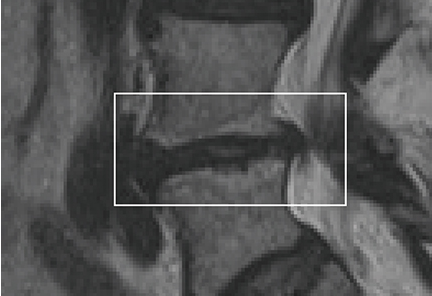 Photograph taken by Boston Scientific
Patient education resources
Visit intracept.com for patient-focused content on vertebrogenic pain and the Intracept Procedure.

Request a representative
Reach out to our team to get more information about the Intracept System or Intracept Procedure.
Disclaimer: Health economic and reimbursement information provided by Boston Scientific Corporation is gathered from third-party sources and is subject to change without notice as a result of complex and frequently changing laws, regulations, rules and policies. This information is presented for illustrative purposes only and does not constitute reimbursement or legal advice. Boston Scientific encourages providers to submit accurate and appropriate claims for services. It is always the provider’s responsibility to determine medical necessity, the proper site for delivery of any services and to submit appropriate codes, charges, and modifiers for services that are rendered. Boston Scientific recommends that you consult with your payers, reimbursement specialists and/or legal counsel regarding coding, coverage and reimbursement matters. Boston Scientific does not promote the use of its products outside their FDA-approved label.
- Fischgrund J, Rhyne A, Macadaeg K, et al. Long-term outcomes following intraosseous basivertebral nerve ablation for the treatment of chronic low back pain: 5-year treatment arm results from a prospective randomized double-blind sham-controlled multi-center study. Eur Spine J. 2020;29(8):1925-34. http://doi.org/10.1007/s00586-020-06448-x