Boston Scientific accounts are for healthcare professionals only.

Upsylon™ Y-Mesh and Colpassist™ Vaginal Positioning Device
Reimbursement
Configure or select a product to continue to order
- Overview
- Clinical data
- Technical specifications
- Training
- Resources
- Ordering information
How it works
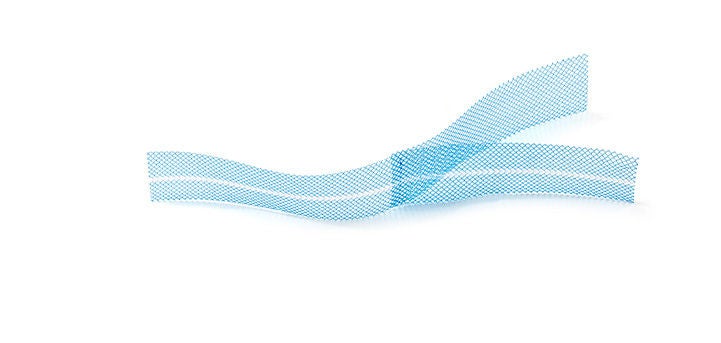
Designed to deliver both low density and high durability, driving procedural ease through exceptional handling and dynamic, tear-resistant design. Our unique finishing process provides a smoother, thinner mesh with optimal bending stiffness, allowing the mesh to lay flat and resist tenting during fixation.

Why choose Upsylon Y-mesh


What makes Upsylon different?
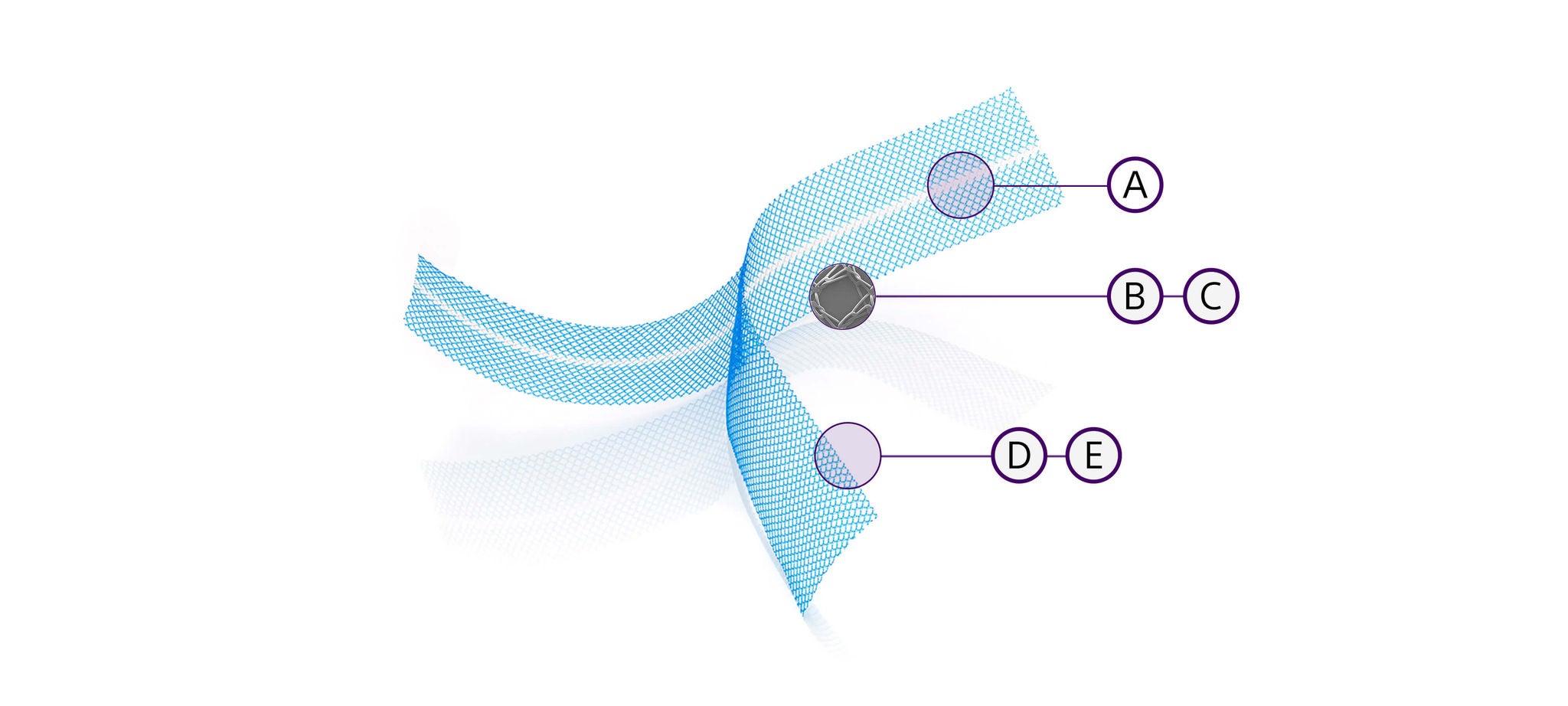
Bench test results may not necessarily be indicative of clinical performance. The testing was performed by or on behalf of Boston Scientific.
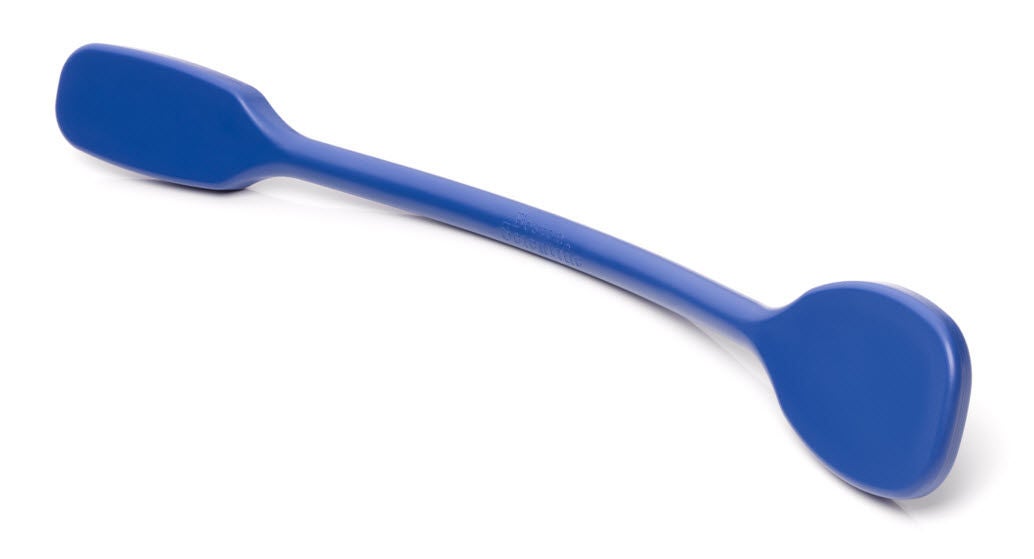
Colpassist™ Vaginal Positioning Device
The Colpassist Vaginal Positioning Device is specifically designed for vaginal positioning in gynecologic procedures and as a suturing platform for vaginal wall fixation during sacrocolpopexy.
- Two size end options create a flat suturing surface
- Multi-direction vaginal manipulation during dissection and mesh placement
Questions?
We are here to help answer any questions you may have about Upsylon Y-Mesh.
Clinical highlights
Permanent compared with absorbable suture for vaginal mesh fixation during total hysterectomy and sacrocolpopexy (PACT): a randomized controlled trial
Matthews CA, Geller EJ, Henley BR, Kenton K, Myers EM, Dieter AA, Parnell B, Lewicky-Gaupp C, Mueller MG, Wu JM
Published in Obstet Gynecol, 2020
Mesh or permanent suture exposure rates and clinical success after minimally invasive total hysterectomy and sacrocolpopexy for primary advanced uterovaginal prolapse are not affected by suture type for vaginal graft attachment. The use of a lightweight mesh material resulted in a low rate of symptomatic mesh exposure, a high rate of success, and few serious adverse events within 1-year post surgery.
Long-term mesh exposure after minimally invasive total hysterectomy and sacrocolpopexy (E-PACT)
Matthews CA, Myers EM, Henley BR, Kenton K, Weaver E, Wu JM, Geller EJ
Published in Int Urogynecol J, 2023
The rate of incident mesh exposure between 1 and 3.9 years post-surgery was low, success rates remained high, and there were no delayed serious adverse events.
Long-term mesh exposure 5 years following minimally invasive total hysterectomy and sacrocolpopexy (E-PACTII)
Bretschneider CE, Myers ER, Geller EJ, Kenton KS, Henley BR, Matthews CA
Published in Int Urogynecol J, 2024
Minimally invasive total hysterectomy and sacrocolpopexy with a gradual increase in (or slowly rising rate of) mesh exposure over time and high long-term surgical success over 5 years. Few patients experienced bothersome symptoms or required retreatment, and no delayed serious adverse events were reported.
Outcomes following sacrocolpopexy using ultralight and lightweight mesh
Kulkarni M, Rolnik DL, Alexander J, McGannon F, Liu YA, Rosamilia A
Published in Int Urogynecol J, 2022
There was no significant difference in composite failure between ultralight and lightweight mesh.
Upsylon™ Y-Mesh Competitive Bench Study Comparison
 Upsylon™ Y-Mesh closeup
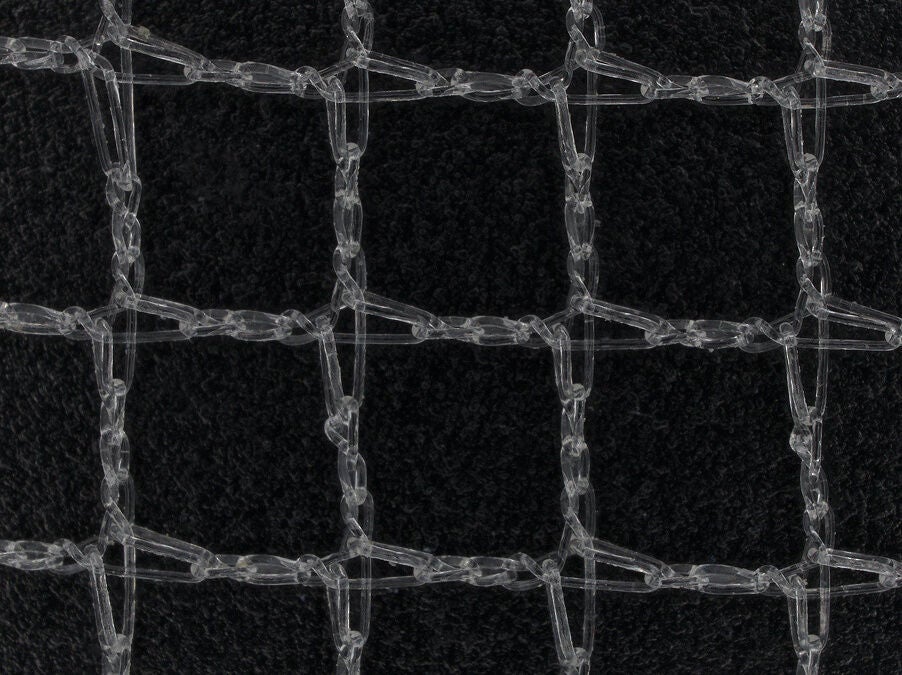 Restorelle™ Y Mesh closeup
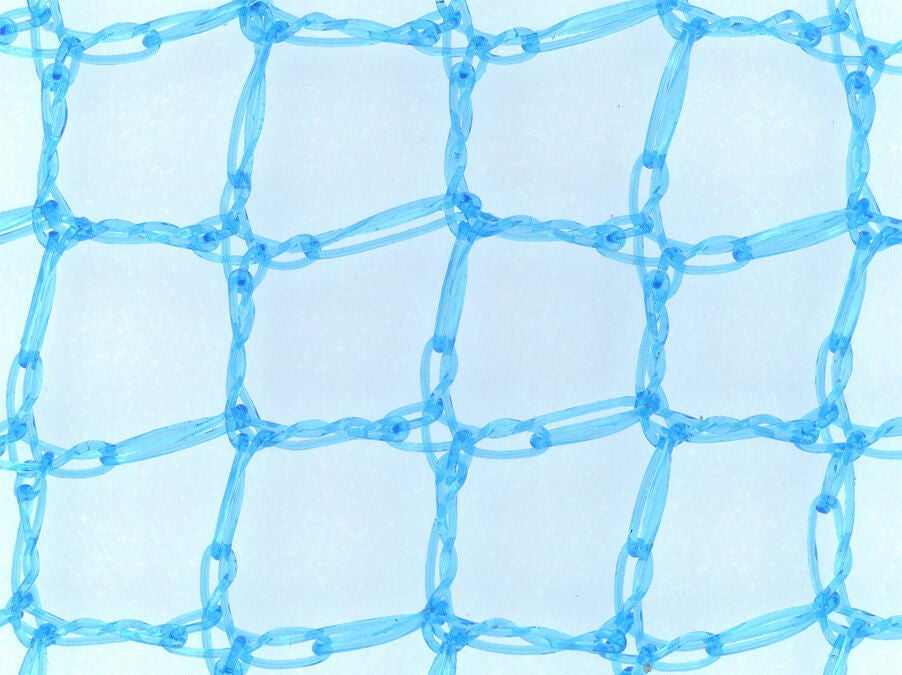 Vertessa™ Lite Mesh closeup
| Basics | Mesh handling | Durability | Color | |||||
| Mesh | Mesh weight (g/m2) | Pore size (mm2) | Fiber diameter (microns) | Pliability (ASTM Standard D-4032) stiffness (N)* | Thickness (microns) | Tensile strength (N)* | Suture pull-out (machine direction) strength (N)* | Mesh color |
| Upsylon Y-Mesh (BSC) | 25 | 2.8 | 100 | 0.53 | 190 | 56.7 | 16.6 | Blue with natural center stripe |
| Restorelle™ Y-Mesh | 19 | 3.0 | 75 | 0.11 | 305 | 34.5 | 13.4 | Natural |
Vertessa™ Lite | 20.9 | 1.5 | 75 | Not tested | 254 | 37.9 | 11.9 | Blue |
| *Bench test results may not necessarily be indicative of clinical performance. The testing was performed by or on behalf of Boston Scientific. | ||||||||
Online medical training and education courses
The EDUCARE online platform makes healthcare education and training relevant, comprehensive, personal, and accessible. Register to access procedural videos, case studies, and training resources.


Upsylon™ Y-Mesh resources
Ordering information
| Order number | UPN | GTIN | Description | Quantity |
| 831820 | M0068318200 | 08714729839217 | Upsylon Y-Mesh | Each |
| 831821 | M0068318210 | 08714729848097 | Colpassist vaginal positioning device | Each |
| 831222 | M0068318220 | 08714729848103 | Upsylon Y-Mesh and Colpassist vaginal positioning device kit | Each |
Reference:
- Baah-Dwomoh, A., McGuire, J., Tan, T., and De Vita, R. (September 2, 2016). “Mechanical Properties of Female Reproductive Organs and Supporting Connective Tissues: A Review of the Current State of Knowledge.” ASME. Appl. Mech. Rev. November 2016; 68(6): 060801.
For Upsylon Y-Mesh: CAUTION: Federal (USA) law restricts this device to sale by or on the order of a physician trained in performing mesh procedures for surgical repair of pelvic organ prolapse.
For Colpassist Vaginal Positioning Device: CAUTION: Federal (USA) law restricts this device to sale by or on the order of a physician.
Please refer to package insert provided with these products for complete Indications for Use, Contraindications, Warnings, Precautions, Adverse Events, and Instructions prior to using these products.
Potential risks for Upsylon™ Y-Mesh and Polyform™ Synthetic Mesh: Potential adverse events, any of which may be ongoing, include but are not limited to: Abscess, Adhesion formation, Allergic reaction (hypersensitivity), Bruising, Bleeding (hematoma formation), Constipation, Dehiscence, De novo detrusor instability, Dyspareunia, Pain with intercourse that may not resolve, Sexual dysfunction; including the inability to have intercourse, Erosion into organs; exposure/extrusion into vagina, Exposed mesh may cause pain or discomfort to the patient’s partner during intercourse, Failure to resolve a patient’s prolapse, Fistula formation (acute or chronic), Foreign body reaction (acute or chronic), Granulation tissue formation, Hemorrhage, Infection, Inflammation (acute or chronic), Injury to ureter, Scarring/scar contracture, Mesh contracture, Tissue contracture, Necrosis, Nerve injury, Organ perforation, Pain (pelvic, vaginal, groin/thigh, dyspareunia) (acute or chronic), Perforation or laceration of vessels, nerves, bladder, or bowel may occur during placement, Post-operative bowel obstruction, Prolapse/recurrent prolapse, Vaginal shortening or stenosis that may result in dyspareunia and/or sexual dysfunction, Voiding dysfunction (incontinence, temporary or permanent lower urinary tract obstruction, difficulty urinating, pain with urination, overactive bladder, and retention). The occurrence of one or more of these complications may require treatment or surgical intervention. In some instances, the complication may persist as a permanent condition after the surgical intervention or other treatment. Removal of mesh or correction of mesh-related complications may involve multiple surgeries. Complete removal of mesh may not be possible and additional surgeries may not always fully correct the complications.
All images are owned by Boston Scientific. All trademarks are the property of their respective owners.