Boston Scientific accounts are for healthcare professionals only.

CanGaroo™ Envelope
Configure or select a product to continue to order
- Overview
- Implant technique
- Ordering information
- Technical specifications
How it works
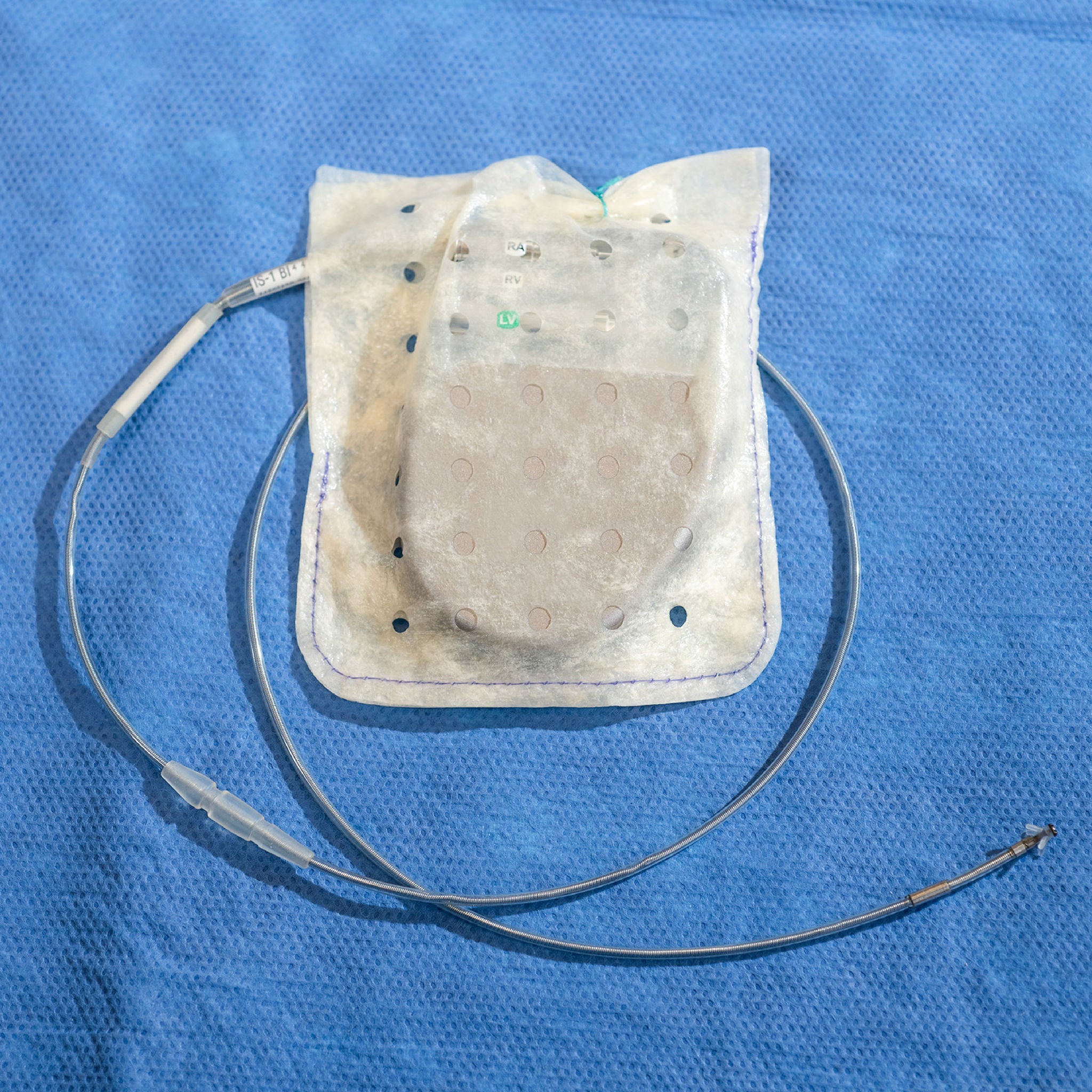
CanGaroo leverages extracellular matrix (ECM) technology to support the biologic healing response, helping decrease inflammation and support the formation of healthy tissue.1,2 As a biomatrix, CanGaroo creates a hospitable environment for the patient’s own cells to migrate into the material and initiate tissue remodeling.3,4
This biomatrix supports key processes involved in tissue repair, including cell adhesion, differentiation, division, and migration.4 By promoting natural wound healing mechanisms, CanGaroo helps develop structural tissue that matures over time into a strong, permanent repair.4
Why choose the CanGaroo Envelope?
CanGaroo remodels into a healthy, vascularized pocket.3

Conform and integrate
CanGaroo easily conforms to the shape of the CIED. Once implanted, the CanGaroo Envelope creates a hospitable environment for the surrounding cells to migrate into the bioscaffold and start matrix turnover.3,4

Support healing
The extracellular matrix helps guide the body's healing response after implantation, reducing inflammation and supporting constructive tissue healing.1,2

Stabilize and support
As remodeling concludes, the CIED is secured naturally with the new tissue.1 The result is systemically connected vascularized tissue that surrounds the device.1
Clinical challenges and patient types
Explore clinical scenarios and patients who might benefit from the biologic features of the CanGaroo™ Envelope.
Clinical challenge
First-time implant patients may benefit from added tissue support and long-term pocket management, especially if future change-outs are anticipated.
How the CanGaroo Envelope may help
CanGaroo remodels into healthy, vascularized tissue, which may support long-term pocket health and may be beneficial for younger patients who may require multiple change-outs over their lifetimes.1
Key features & biologic mechanism
- SIS ECM remodels into healthy vascularized tissue.1
- Promotes a natural biologic healing response.1
Clinical challenge
Patients with thin skin may be at risk for erosion and may benefit from an added layer that supports the securing of the device.
How the CanGaroo Envelope may help
CanGaroo may provide an added soft layer around the device to help reinforce the pocket and support secure placement..1
Key features & biologic mechanism
- Provides a soft layer around the device.1
- Promotes remodeling of tissue; soft, suturable edges help support placement.1
Clinical challenge
Patients who need added device stabilization may be at risk for migration.
How the CanGaroo Envelope may help
CanGaroo provides a soft layer around the device which helps anchor the CIED, naturally mitigating risk of migration. CanGaroo may also facilitate device implant by providing additional anchoring points. 1,5-6
Key features & biologic mechanism
- Soft layer around the device.1,5-6
- Additional anchoring points.1,5-6
- Suturable soft edges.1,5-6
- Biologic remodeling supports long-term stabilization.1,5-6
Clinical challenge
Patients may benefit from healthy tissue support, and protection of the therapy delivery.
How the CanGaroo Envelope may help
CanGaroo helps facilitate the growth of healthy remodeled tissue surrounding the S-ICD. The healthy tissue may protect both the sensing and shocking vector. 1,5-6
Key features & biologic mechanism
- Protection of therapy.1,5-6
- Revascularized tissue around the device.1,5-6
Clinical challenge
Calcification may be a concern in long-term tissue response around implanted devices.
How the CanGaroo Envelope may help
SIS ECM has been shown to naturally resist calcification.4
Key features & biologic mechanism
- A preclinical study demonstrated that SIS ECM material is naturally resistant to calcification.4
Clinical challenge
Implant procedures with a bioenvelope may benefit from easier handling, placement, and pocket management.
How the CanGaroo Envelope may help
CanGaroo is designed to create a healthy pocket environment while easily conforming to the shape of the CIED and to stabilize the device in the pocket.4
Key features & biologic mechanism
- The envelope's opening allows for CIED insertion and lead exit.4
- Natural lubricity when hydrated allows for easy handling and placement.4
- Perforations are designed to prevent fluid collection.4
- Suturable soft edges allow the envelope to easily slide into place without the need to upsize the device pocket.4
Clinical challenge
Device rotation within the pocket can place stress on the leads and compromise device function, creating a need for secure device positioning and long-term pocket stabilization.
How the CanGaroo Envelope may help
CanGaroo may support secure device placement by providing a soft layer around the CIED, additional anchoring points, and biologic remodeling that supports long-term stabilization within the pocket.1,5
Key features & biologic mechanism
- Soft layer around the device.1,5
- Suturable soft edges.1,5
- Additional anchoring points.1,5
- SIS ECM remodels into healthy, vascularized tissue to support long-term pocket stability.1,5
Implant technique
Prior to use, review the IFU for full operating instructions.
CanGaroo offers a quick, easy implant technique that fits your workflow.
Step 1:
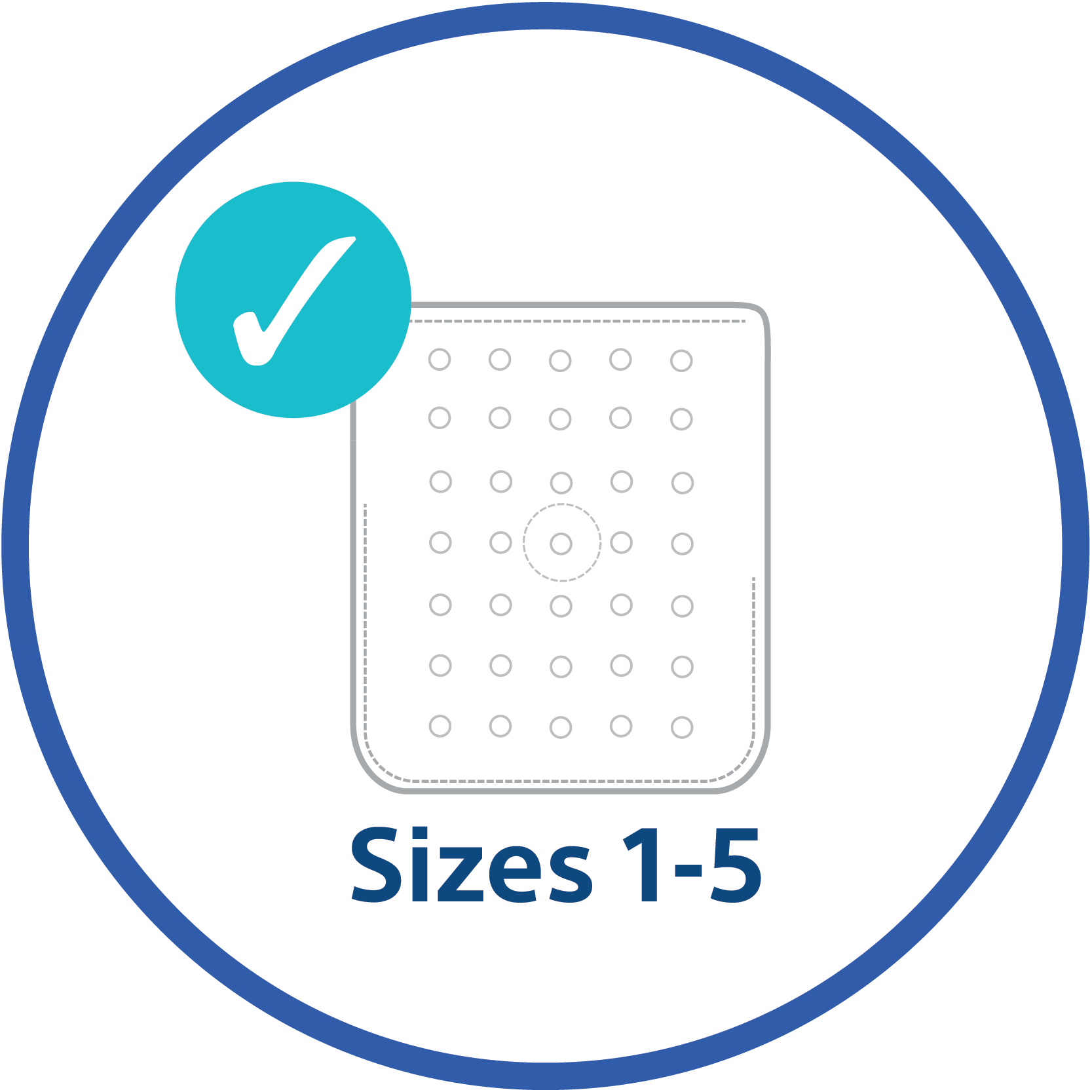
To use, select the appropriate size CanGaroo for the CIED. Handle the sterile envelope using aseptic technique.
Step 2:
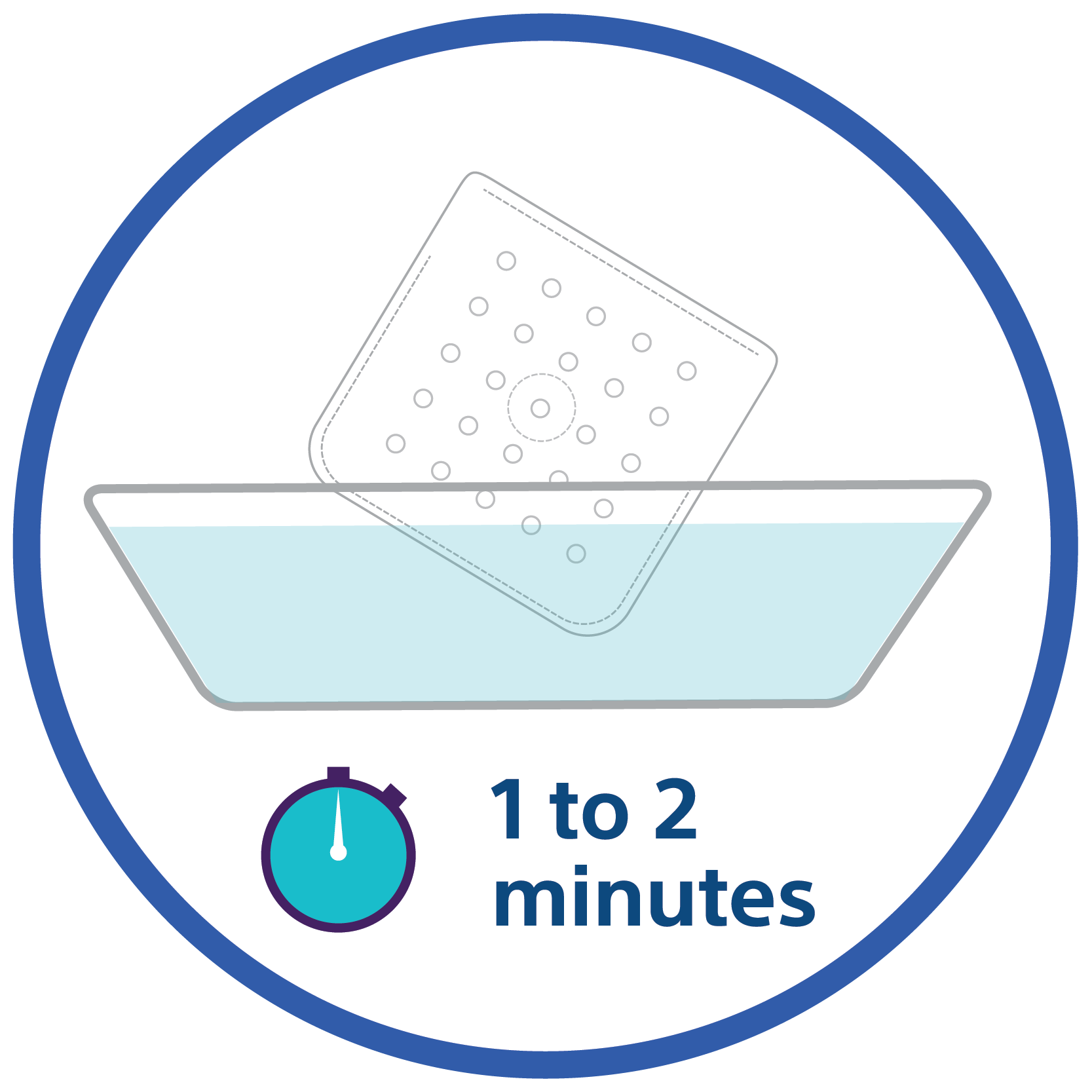
Hydrate CanGaroo by completely immersing it in sterile solution (water, saline or lactated Ringers) for 1-2 minutes.

Step 3:
Slide the CIED into CanGaroo, with lead wires emerging out of the opening. Secure the bioenvelope with one stitch.
Step 4:
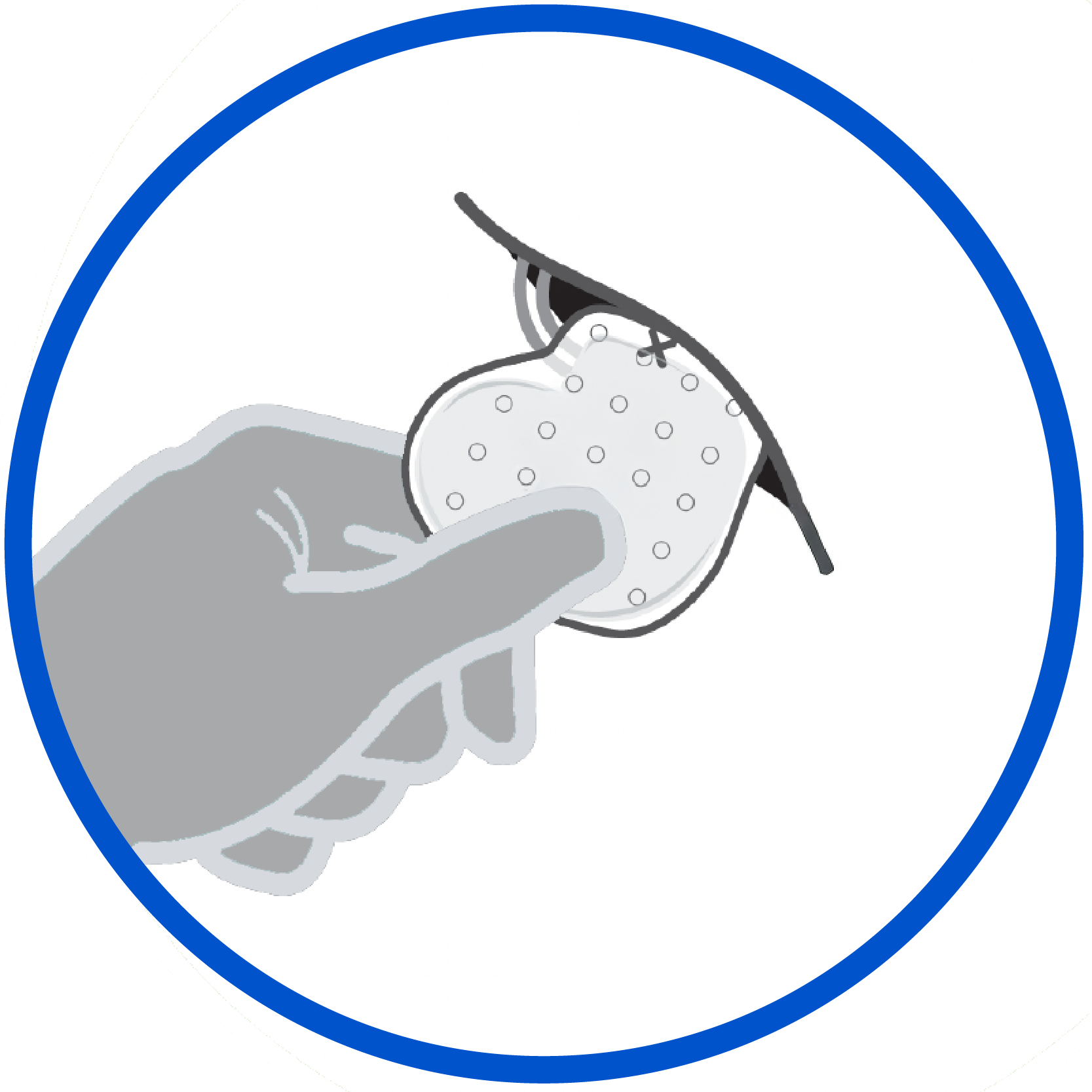
Implant the CIED with the bioenvelope into the pocket and secure it to the fascia per standard practice.
Ordering information
| Product Description | Model Number |
| CanGaroo Envelope Size 1 | BC01 |
| CanGaroo Envelope Size 2 | BC02 |
| CanGaroo Envelope Size 3 | BC03 |
| CanGaroo Envelope Size 4 | BC04 |
| CanGaroo Envelope Size 5 | BC05 |
| CanGaroo Envelope 5PK Size 1 | BC11 |
| CanGaroo Envelope 5PK Size 2 | BC12 |
| CanGaroo Envelope 5PK Size 3 | BC13 |
| CanGaroo Envelope 5PK Size 4 | BC14 |
| CanGaroo Envelope 5PK Size 5 | BC15 |
Technical specifications
| Size | Model number | Dimensions | Recommended device size |
| Size 1 | BC01 | 5.0 cm x 5.4 cm | Single Chamber Pacemaker |
| Size 2 | BC02 | 6.5 cm x 6.9 cm | Pacemaker |
| Size 3 | BC03 | 8.0 cm x 6.9 cm | ICD |
| Size 4 | BC04 | 9.5 cm x 6.9 cm | CRT-D and ICD |
| Size 5 | BC05 | 8.9 cm x 10.8 cm | S-ICD |
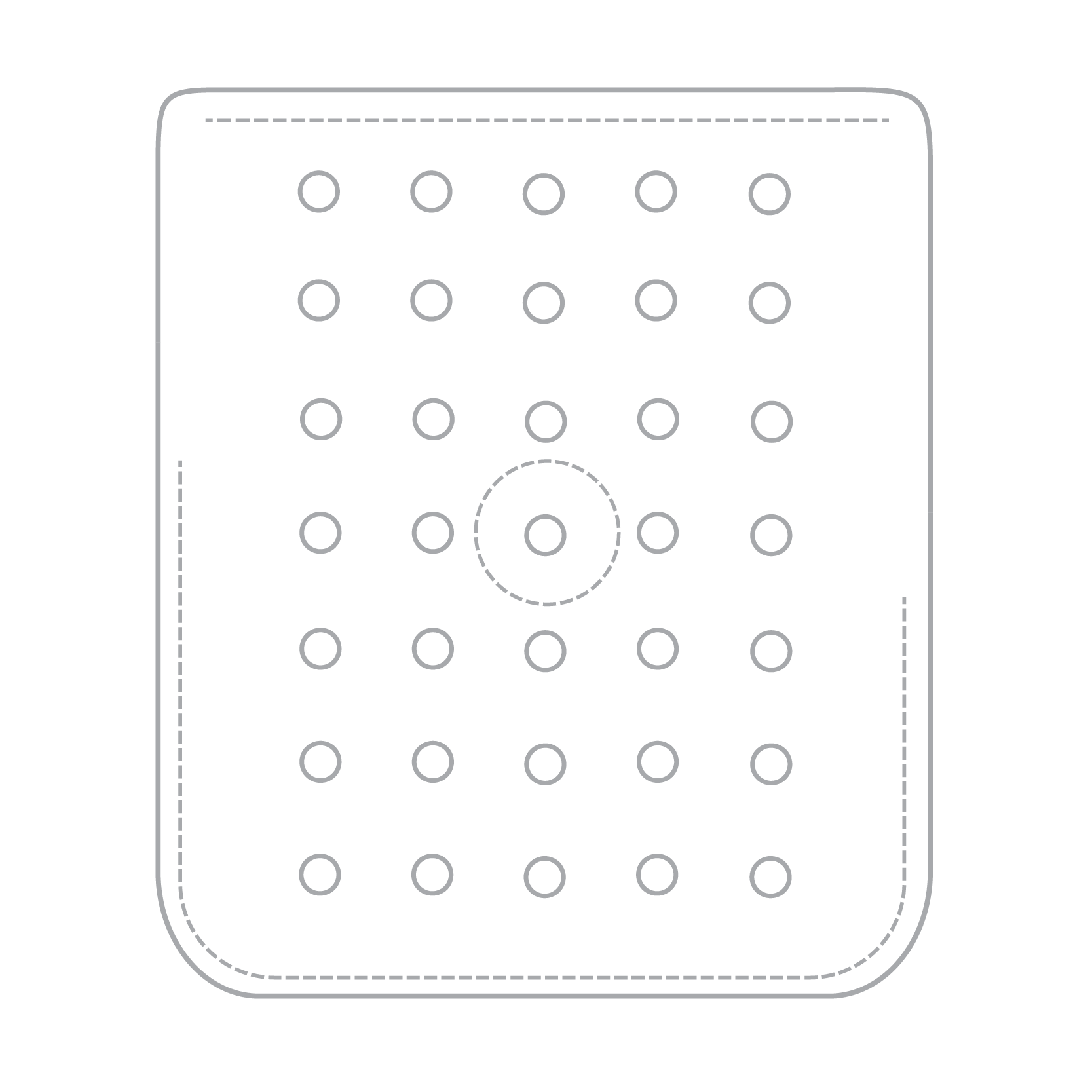
CanGaroo Envelope
Subscribe for updates
Receive timely updates on significant announcements, exclusive opportunities to engage with peers through educational events, and access valuable tools to enhance your ability to assist more patients.
References:
- *Deegan D, et al. J Regen Med.2022;11:5. doi:10.4172/2325-9620.1000226
- *Dziki JL, et al. J Biomed Mater Res A. 2017;105(1):138–147. doi:10.1002/jbm.a.35894
- Catanzaro JN, et al. Front Cardiovasc Med. 2025;12:1638929. doi:10.3389/fcvm.2025.1638929
- **.Sündermann SH, et al. Thorac Cardiovasc Surg. 2014 Feb;62(1):76-79. doi:10.1055/s-0032-1328920
- **.Xiang K, et al. HeartRhythm Case Rep. 2019;5(8):430-432. doi:10.1016/j.hrcr.2019.05.003.CanGaroo IFU
- Piterina AV et al. Int J Mol Sci. 2009;10(10):4375-4417. doi:10.3390/ijms10104375
*Bench Test or pre-clinical study results may not necessarily be indicative of clinical performance. **Results from case studies are not necessarily predictive of results in other cases. Results in other cases may vary.