Boston Scientific accounts are for healthcare professionals only.

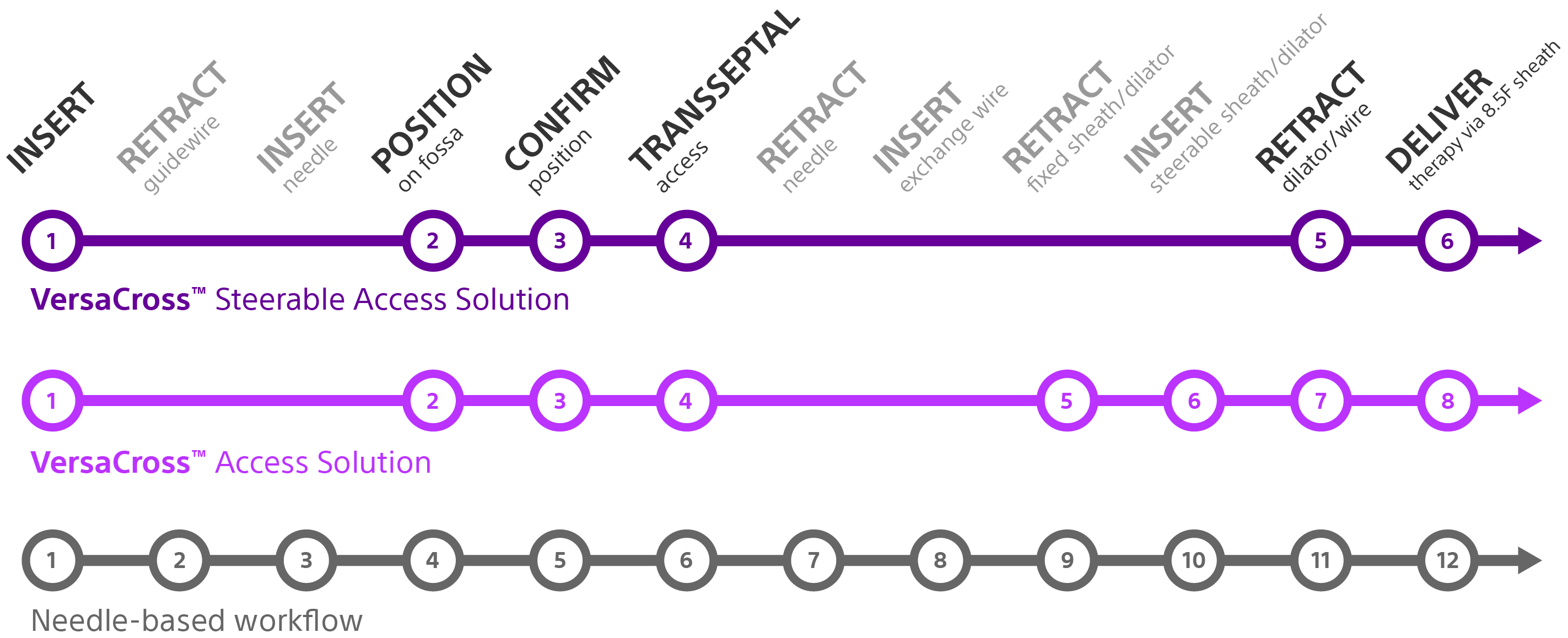
Available as a standalone steerable sheath or in a zero-exchange transseptal access solution that eliminates the need for a fixed curve sheath.
The VersaCross Steerable Access Solution is an integrated transseptal access and steerable sheath system designed to streamline left-heart workflows by eliminating the need for a fixed curve sheath. It combines the 3-in-1 VersaCross RF Wire, a reinforced shapeable dilator, and a high-precision steerable sheath for controlled, zero-exchange access-to-delivery of left-heart therapy devices.
- Overview
- Procedural workflow
- Clinical highlights
- Ordering information
- Resources
Why choose VersaCross Steerable Access Solution
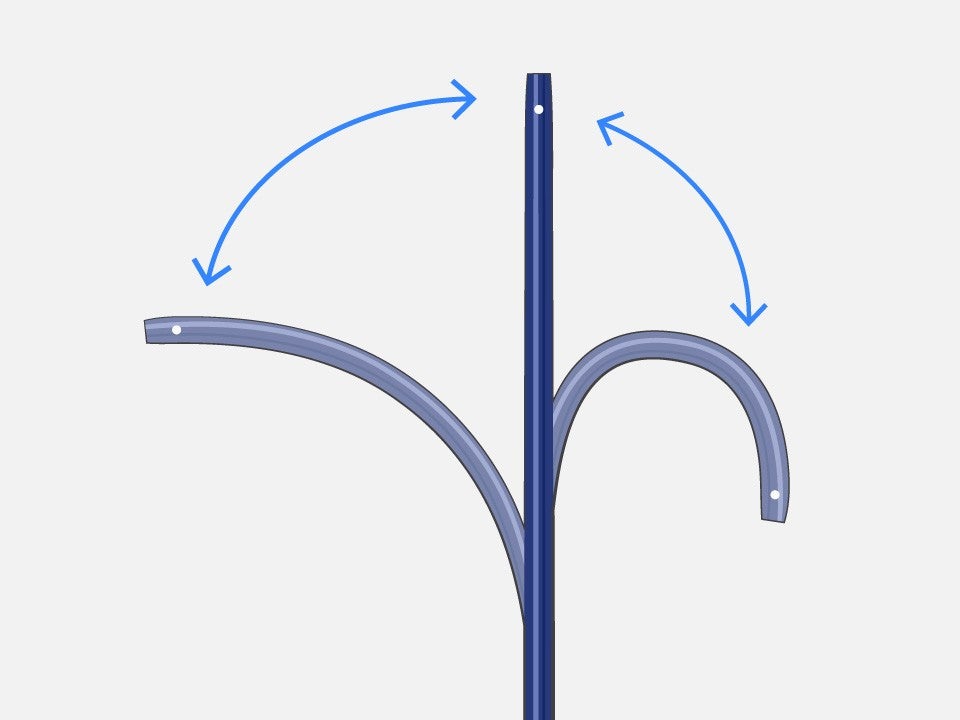
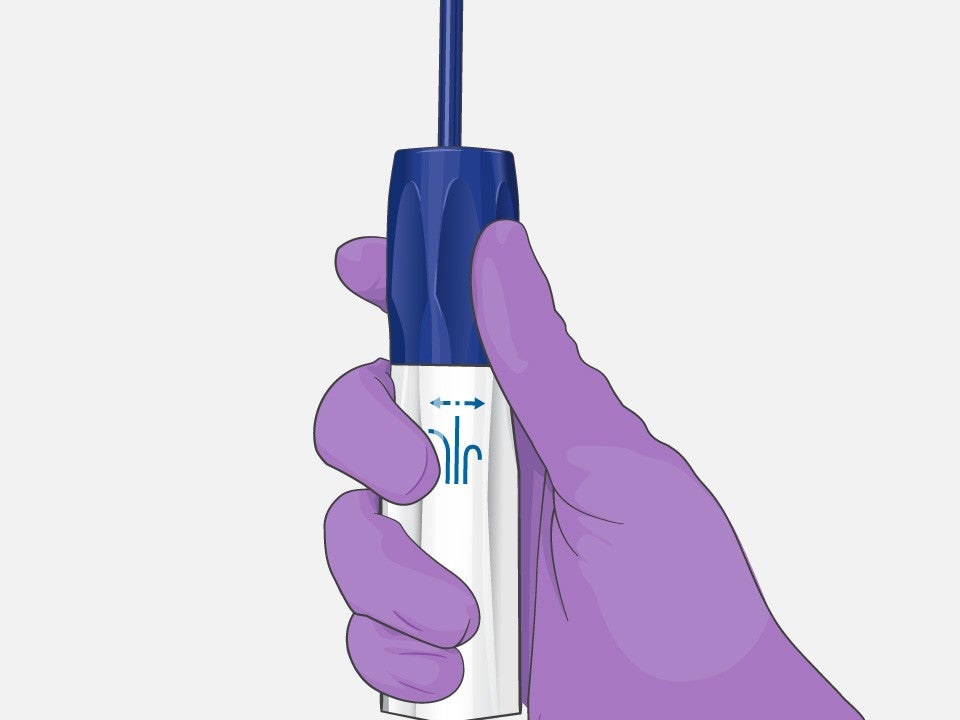
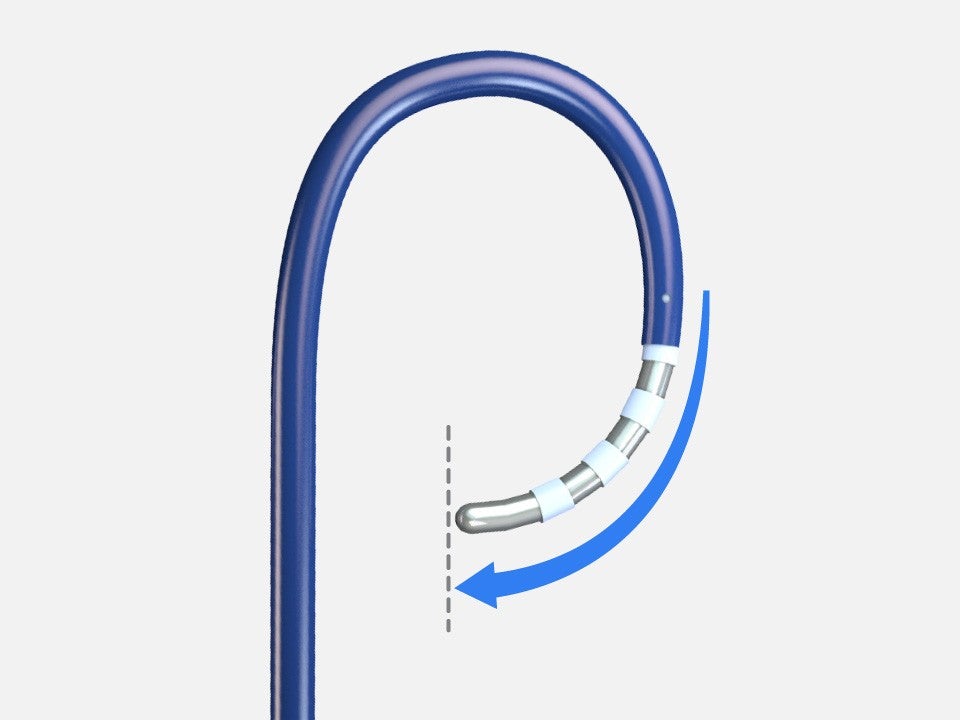
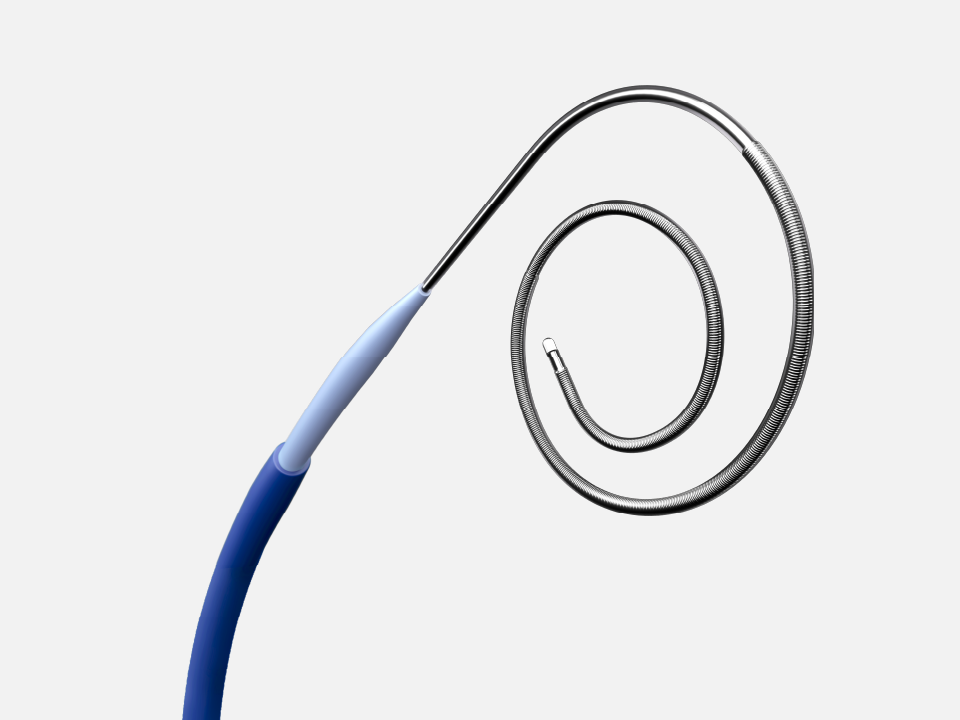
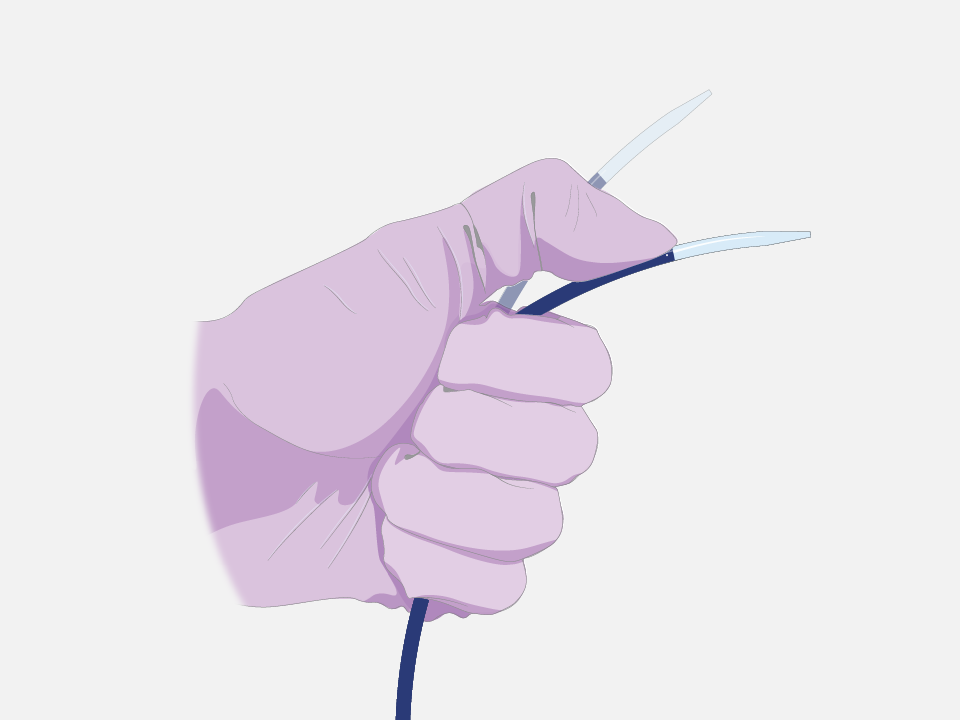
Eliminate the need for a fixed curve sheath
Publication highlights
October 2023, Berggren et al., published in Indian Pacing and Electrophysiology Journal
In atrial fibrillation (AF) patients, utilization of the VersaCross Steerable Sheath and pigtail RF wire for transseptal puncture and RF ablation reduced the number of device exchanges, leading to improved procedural efficiency compared to the standard workflow (puncture using an NRG™ RF needle and 8.5F sheath, followed by exchange for an Agilis™ NXT steerable sheath).
November 2022, Dewland et al., published in JACC: Clinical Electrophysiology
RF wire-based transseptal workflow resulted in a faster time to transseptal puncture, with fewer exchanges for RF ablation, compared to an RF needle-based workflow.
December 2021, Hiner et al., published in Journal of Innovations in Cardiac Rhythm Management
In AF patients, utilization of the VersaCross Steerable Sheath and pigtail RF wire for transseptal puncture and RF ablation reduced the number of device exchanges, leading to improved procedural efficiency compared to the standard workflow (puncture using an NRG RF needle and 8.5F sheath, followed by exchange for an Agilis NXT steerable sheath).
White papers
September 2018
The VersaCross Steerable Sheath demonstrated more responsive steering and smoother dial rotation, with a more linear force-rotation profile and two times more consistency in force-to-turn the dial.
November 2017
The VersaCross Steerable Sheath demonstrated a significantly smoother sheath-to-dilator transition and a significantly lower force to cross.
November 2017
The VersaCross Steerable Sheath demonstrated greater retention of curve range-of-motion and durability, remaining intact after 300 articulation cycles.
Ordering information
| 1. Choose your VersaCross RF Wire |
J-tip, pigtail

| VersaCross RF Wire |
| RF wire length: 180 cm, 230 cm (pigtail) |
| Wire diameter: 0.035 in (0.89 mm) |
| Curve diameter: 9 mm (j-tip), 24 mm (pigtail) |
| 2. Choose your sheath to complete your solution |
S,M,L

| VersaCross Steerable Sheath |
| Sheath curves: Small (S, 17mm), Medium (M, 22 mm), Large (L, 50 mm) |
| Bidirectional angles: 90° CCW, 180° CW |
Detail package
Brochure
Analysis
* Bench testing or pre-clinical study results may not necessarily be indicative of clinical performance. The testing was performed by or on behalf of Boston Scientific. Data on file.
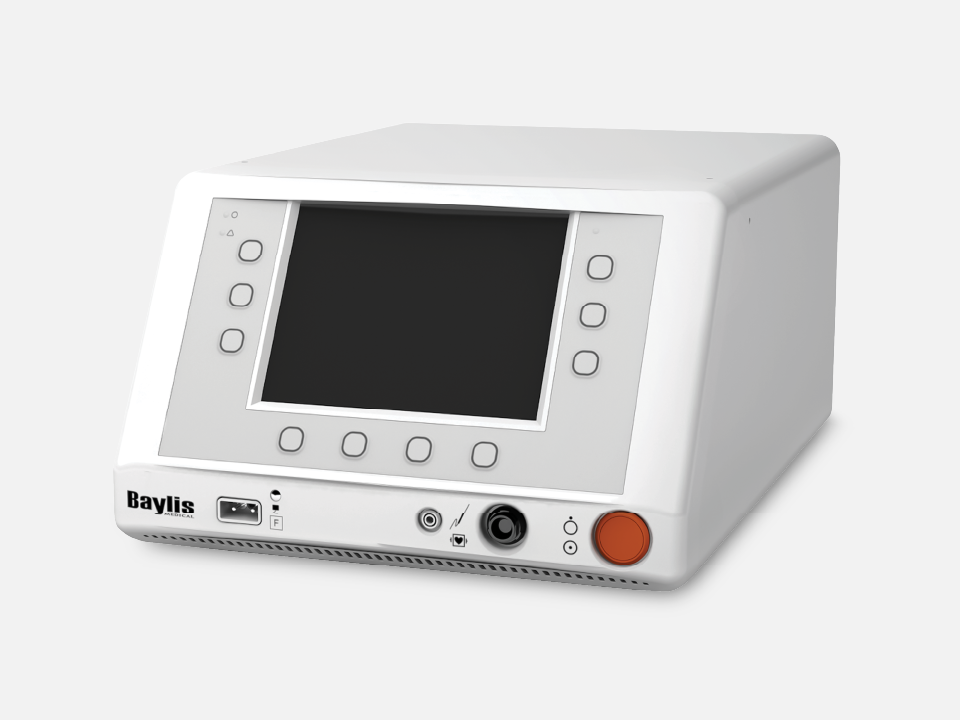
† Baylis Medical Company Radiofrequency Puncture Generator RFP-100A™. Baylis Medical Company is a wholly owned subsidiary of Boston Scientific Corporation.
‡ Based on bench testing conducted using SureFlex Steerable Guiding Sheath, which has identical steering mechanisms to VersaCross Steerable Sheath. Bench testing or pre-clinical study results may not necessarily be indicative of clinical performance. The testing was performed by or on behalf of Boston Scientific. Data on file.
All trademarks are the property of their respective owners.
References
- Doshi SN, Savvoulidis P, Mechery A, et al. VersaCross Transseptal System for Mitral Transcatheter Edge-To-Edge Repair with the PASCAL Repair Platform. Struct Heart. 2023;In Press.
- Berggren K, Lampert T, Janardhan AH. Improved left atrial catheterization efficiency and consistency using a novel steerable transseptal puncture sheath. Indian Pacing Electrophysiol J. 2023;S0972-6292(23)00101-8. doi:10.1016/j.ipej.2023.10.001
- Knight BP, Wasserlauf J, Al-Dujaili S, Al-Ahmad A. Comparison of transseptal puncture using a dedicated RF wire versus a mechanical needle with and without electrification in an animal model. J Cardiovasc Electrophysiol. 2023. doi:10.1111/jce.16111
- Wasserlauf J, Knight BP. Comparing the safety and effectiveness of dedicated radiofrequency transseptal wires to electrified metal guidewires. J Cardiovasc Electrophysiol. 2022;33(3):371–379. doi:10.1111/jce.15341