My account

Boston Scientific accounts are for healthcare professionals only.

Create an account to access online training and education on EDUCARE, manage your customer profile, and connect with customer support and service teams.

My Boston Scientific account

Access your online applications and manage your customer profile.

Quick Links

Call customer care

VersaCross Large Access Solution and VersaCross Steerable Access Solution

Seamless transseptal access workflows for your mitral procedures

Streamline transseptal access to therapy delivery in your mitral procedures

Achieve left heart access with a single solution from start to finish using the VersaCross™ 3-in-1 RF technology, which serves as your starter wire, RF puncture device, and exchange guidewire to secure access in the left atrium without exchanges. 

Why choose VersaCross Access Solutions for your mitral procedures?

Discover the exchangeless approach to left heart access.
Detail of assembly showing smooth transition between FARADRIVE Steerable Sheath and VersaCross Connect Transseptal Dilator, and WATCHMAN TruSteer Sheath and VersaCross Connect Transseptal Dilator.

Sophisticated 3-in-1 RF wire

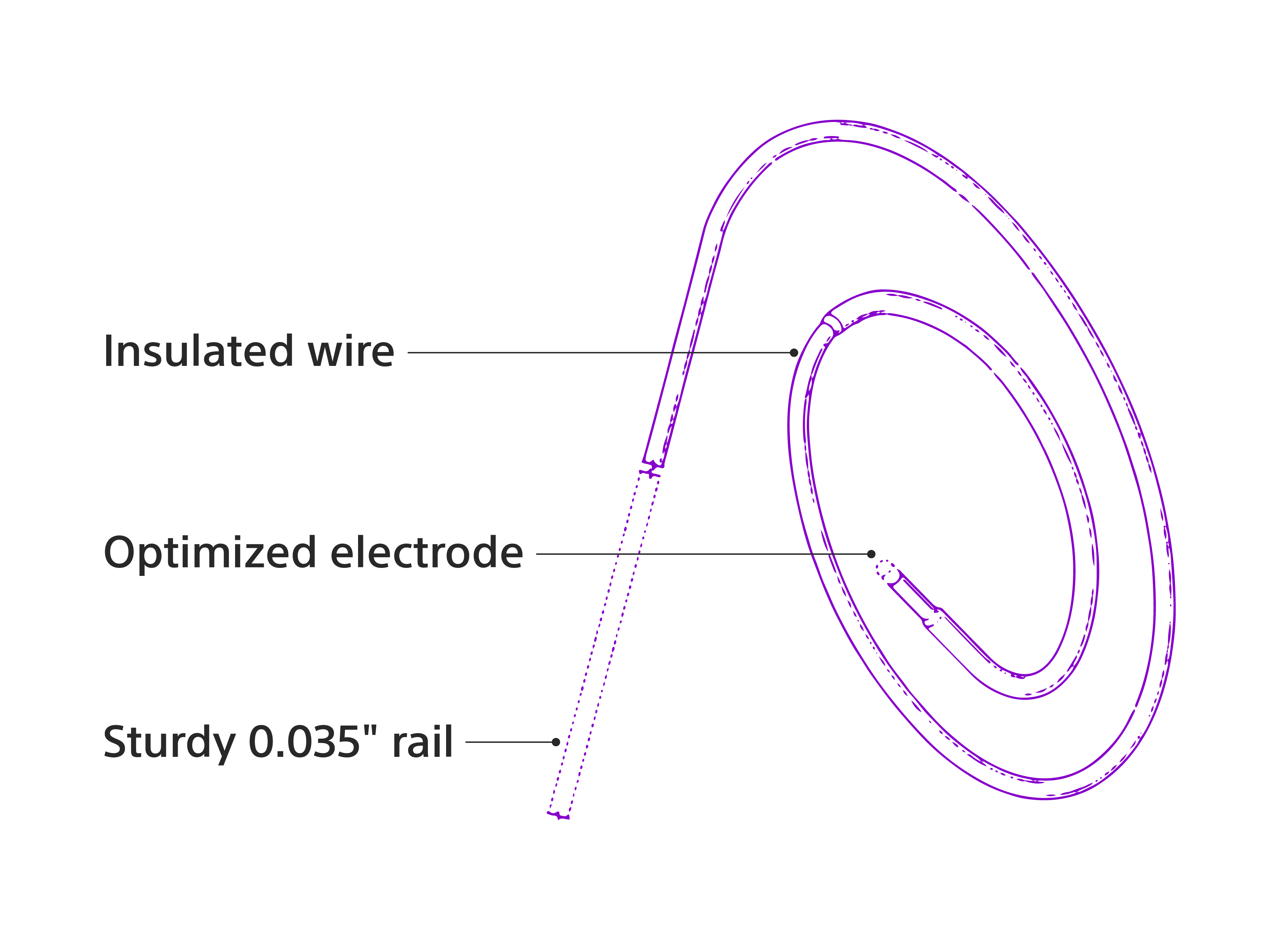
The VersaCross RF wire facilitates more consistent site-specific crossing of the interatrial septum, allowing you to optimize your transseptal puncture location in any anatomy.1,2,3,4,5 The optimized electrode design paired with our generator settings may improve puncture efficacy, minimize thermal injury, and eliminate embolic coring risk, while the use of electrified guidewires for transseptal puncture has been associated with damage to the guidewire and dilator, as well as risks of thrombus, thermal injury and tissue scarring.6,7

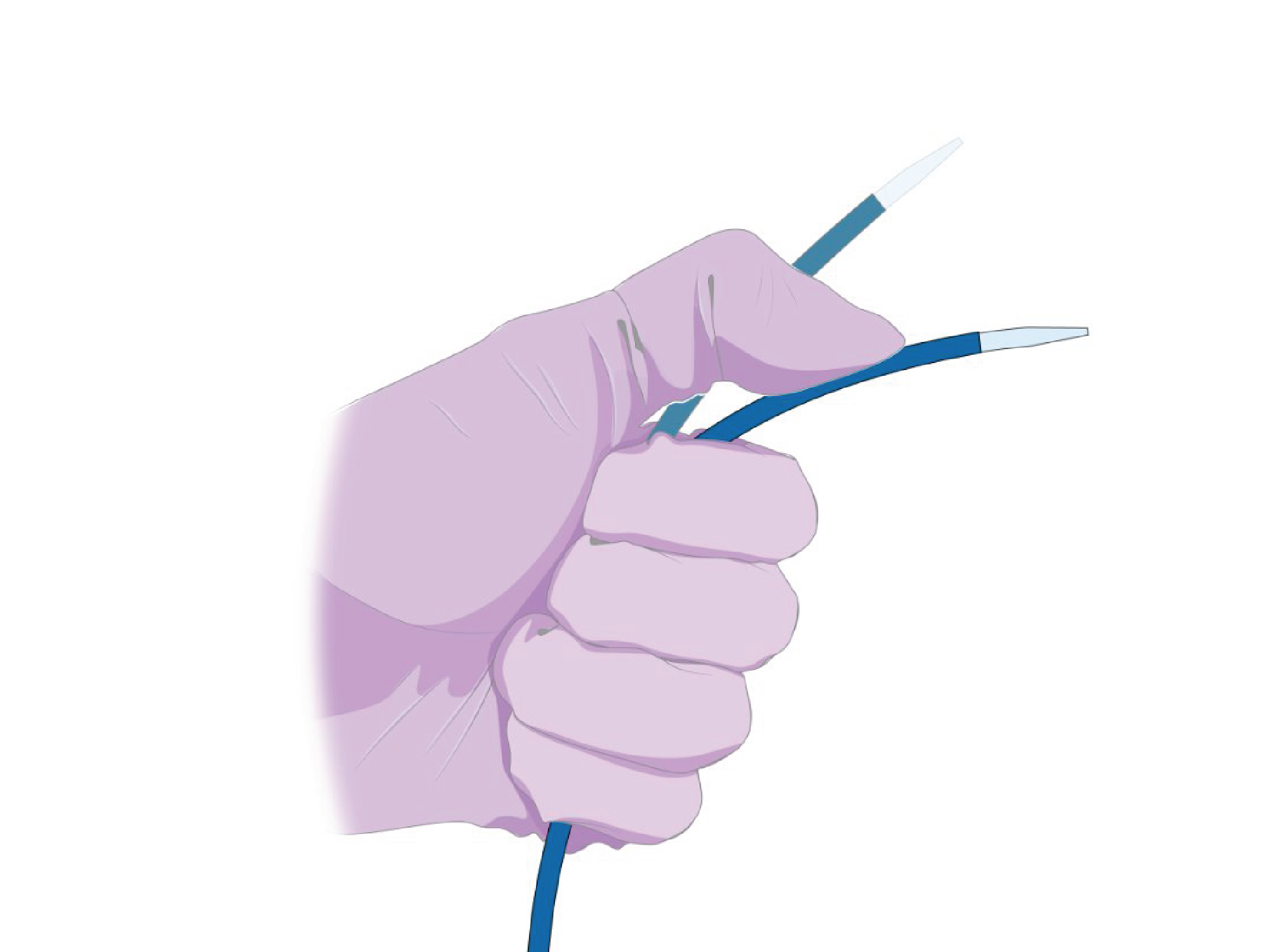
Gloved hand holding VersaCross Connect Transseptal Dilator and shaping with TruForm shapeable technology.

Reinforced transseptal dilator

Reinforced with TRUform™ Shapeable technology, the VersaCross Transseptal Dilator facilitates a familiar handling experience to a needle-based transseptal system and retains your desired curve. Reshape the dilator within your sheath to optimize transseptal assembly positioning for various anatomies.*,1

Hand in surgical glove bends the single, seamless transseptal dilator of the VersaCross Connect Access Solution for FARADRIVE.

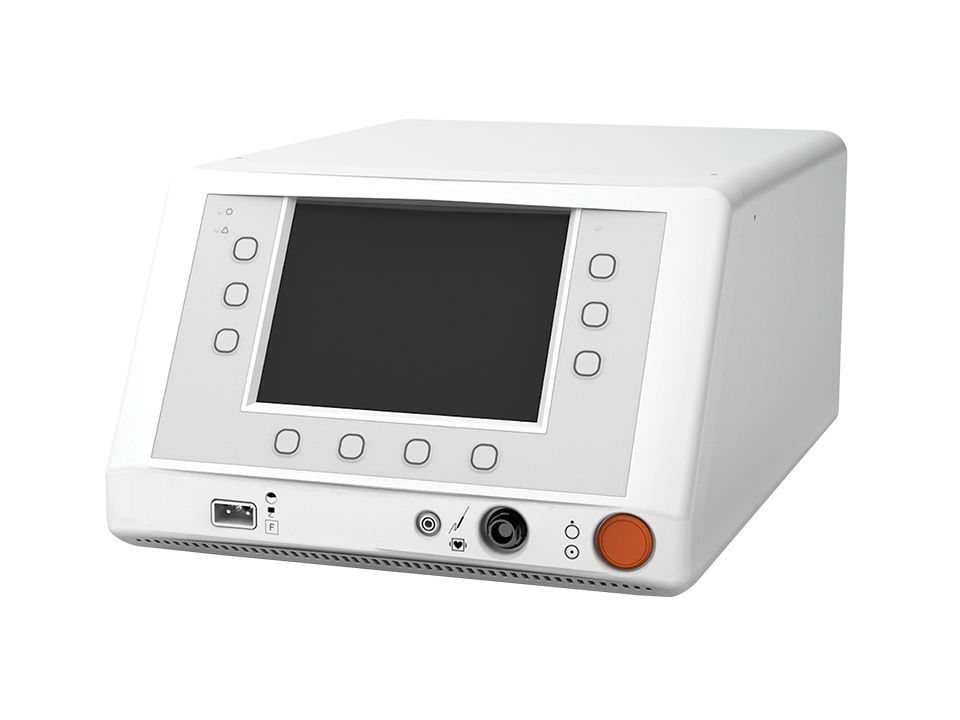
Dedicated RF puncture generator

The RFP-100A™ RF Puncture Generator** was designed to create small, targeted transseptal punctures via the delivery of proprietary RF energy waveforms. The generator enables shorter RF activation time, while built-in safety features limit the voltage, current, and power. Use of the RFP-100A™ RF Puncture Generator** with the VersaCross RF Wire has been shown to result in smaller puncture sites, improved transseptal puncture consistency 6,3,7 and enable successful transseptal puncture with fewer and lower energy applications required when compared to electrified guidewires or needles.6


VersaCross Steerable Access Solution

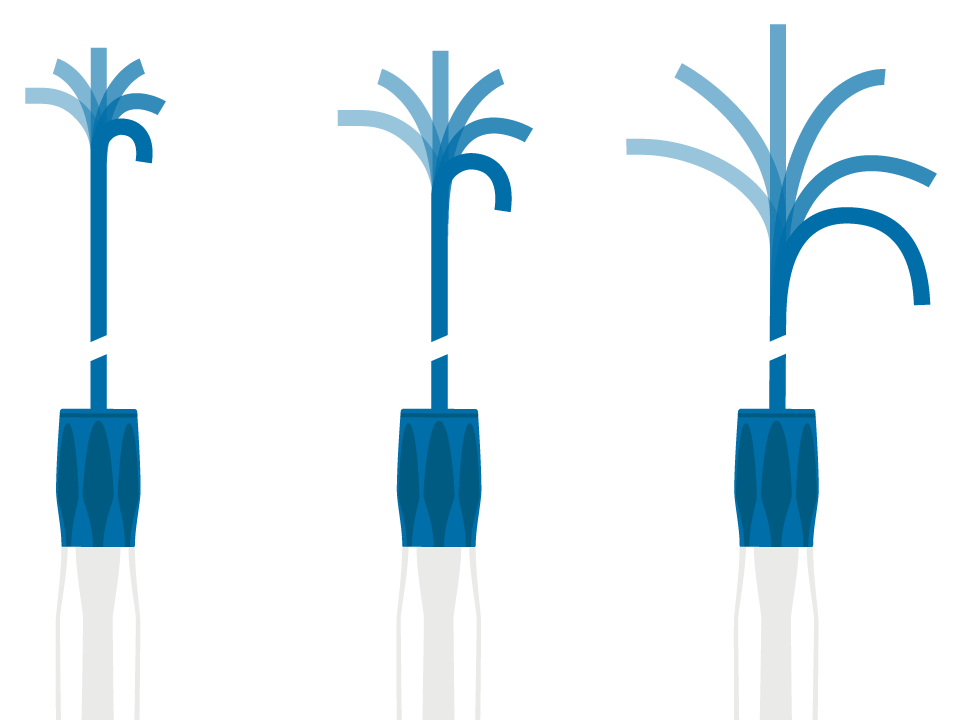
Confidently position your curve with precision steering

Enable exchangeless access-to-delivery of left heart therapy devices, with high precision steering.

Illustration of VersaCross RF Wire.

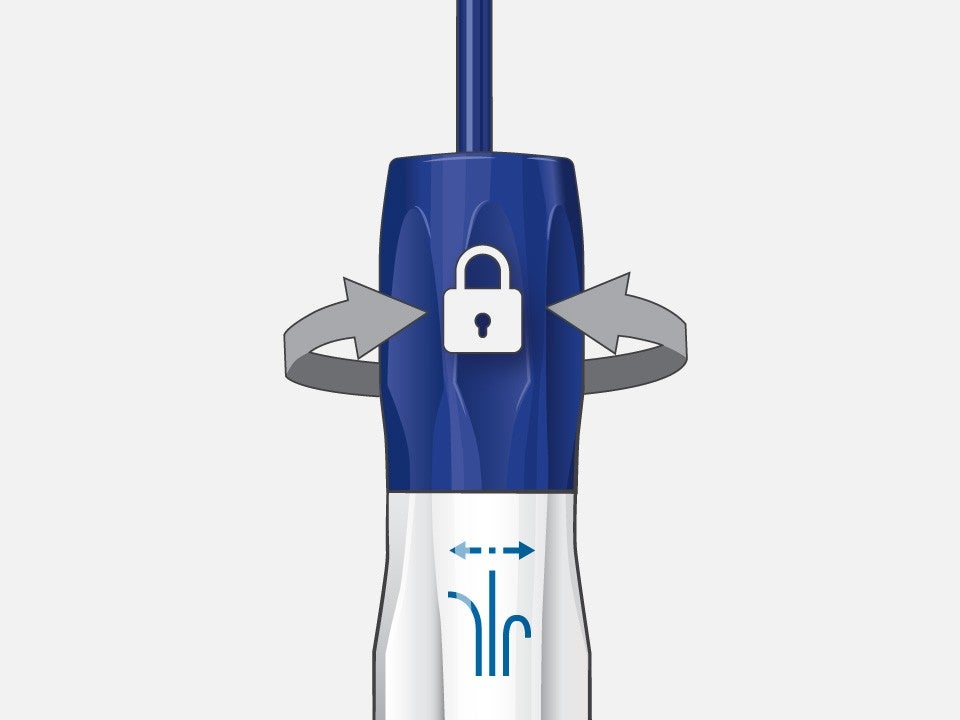
Self-locking dial    

Maintain your curve with a self-locking dial to reliably position your curve.

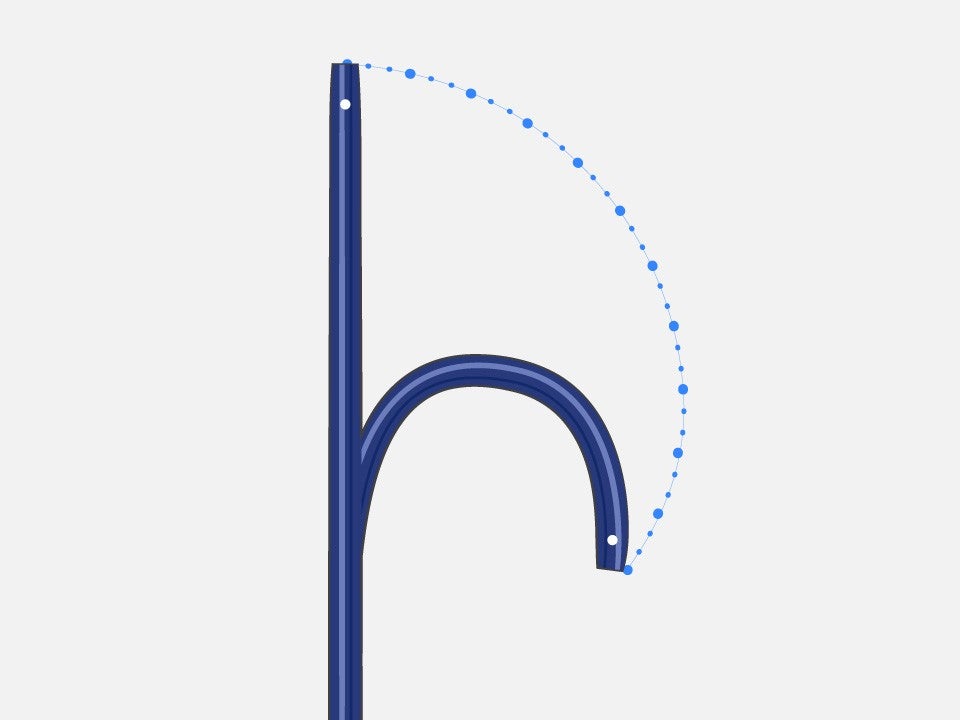
TruGlide handling

TruGlide™ handling

Responsive, smooth, high-precision steering to confidently position your curve.


Clinical experience 

Hear from experts on their experience using VersaCross Steerable Access Solution.

Joseph Aragon, MD, describes his experience improving overall procedural workflow for mitral valve-in-valve (ViV) and paravalvular leak closure (PVL) cases with the VersaCross Steerable Access Solution, eliminating steps for complex procedures.

View full product details  

VersaCross Steerable Access Solution

VersaCross Large Access Solution

Simplify access-to-delivery of large therapy sheaths

Access, dilate, and deliver large therapy sheaths with a single, exchangless solution.
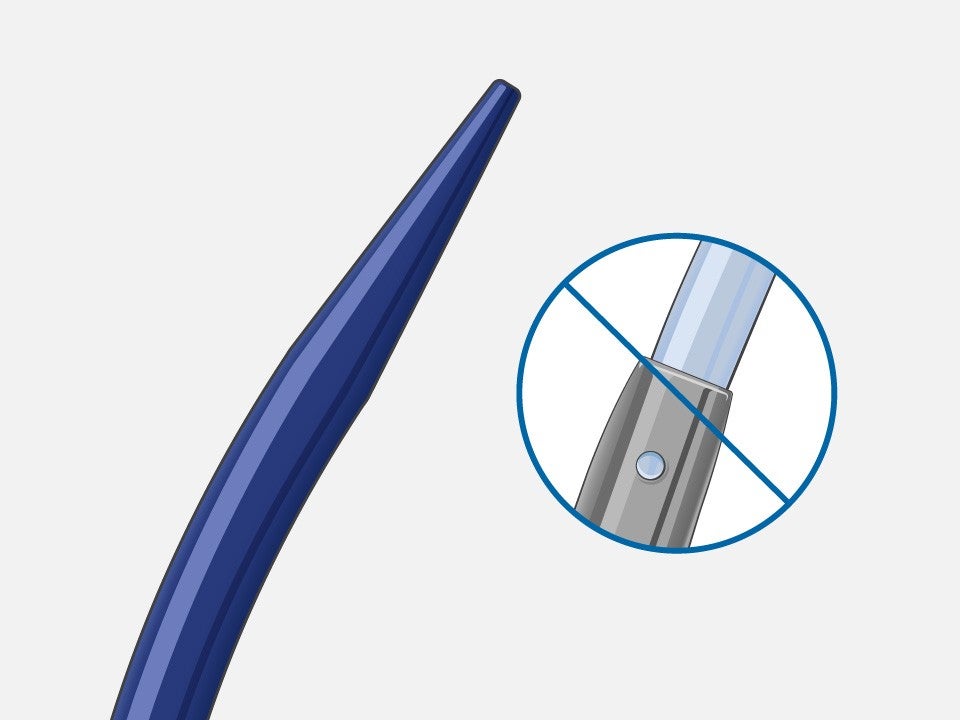
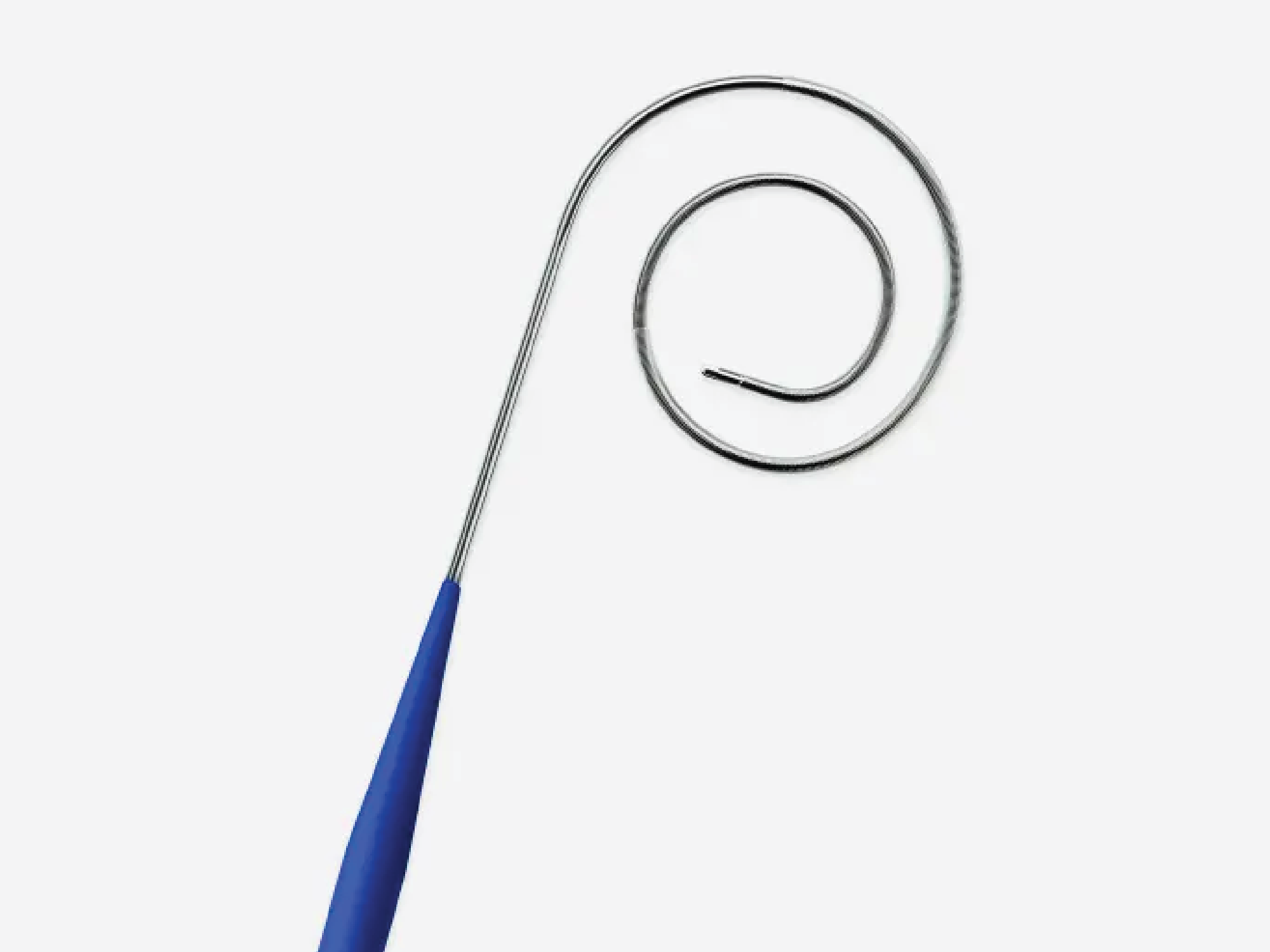
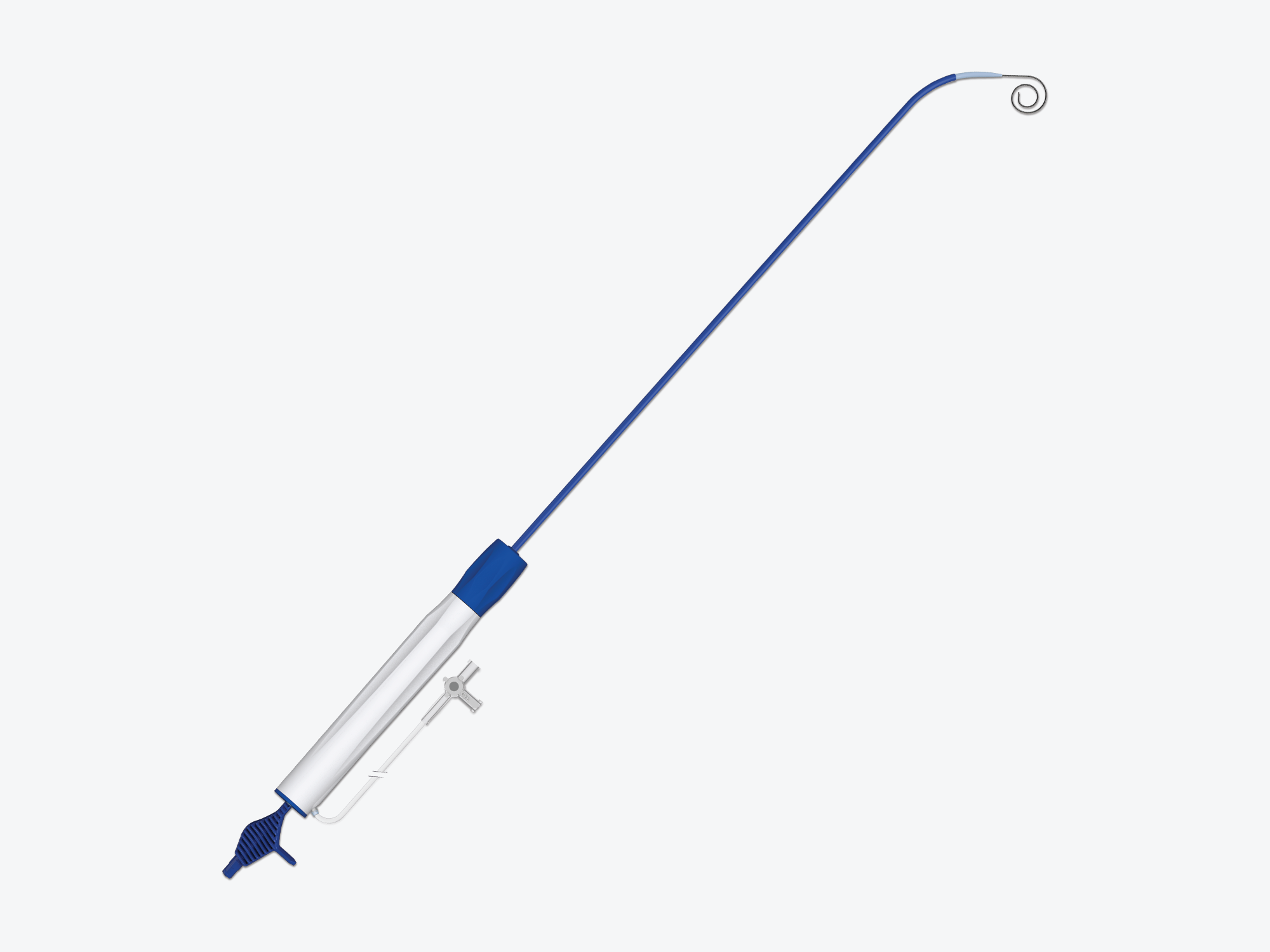
Illustration of VersaCross RF Wire.

Seamless crossing

Single, seamless transseptal dilator for sleek advancement into the left atrium (LA).

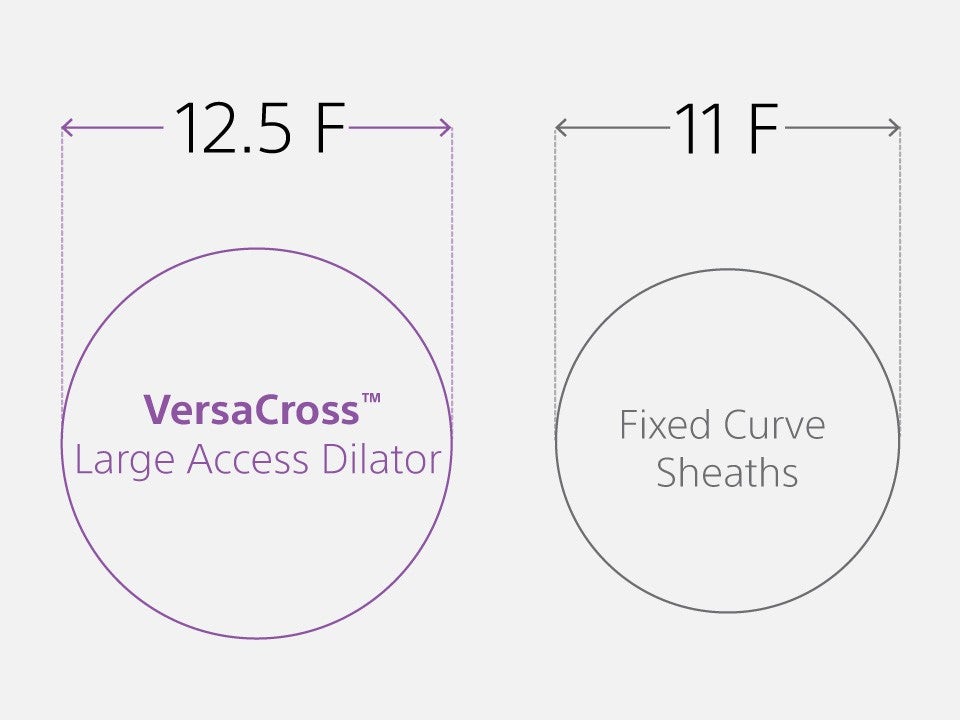
VersaCross Large Access Dilator 12.5F dilation area compared to Fixed curve sheath 11F dilation area

29% larger dilation area

Larger dilation at the femoral vein and septum to deliver therapy sheaths with ease.


Clinical experience 

Hear from experts on their experience using VersaCross Large Access Solution.

Joseph Aragon, MD, highlights improved efficiency for mitral edge-to-edge repair (M-TEER) procedures using VersaCross Large Access Solution for transseptal puncture.


View full product details  

VersaCross Large Access Solution

Looking for more training? Contact our medical education team

In-person training

Explore in-person training opportunities for interventional cardiologists of all experience levels.

Surgeons in operating room.

Online education

Online medical training and education courses

The EDUCARE online platform makes healthcare education and training more relevant, more comprehensive, more personal and more accessible. Register to access a library of procedural videos, case studies, training resources, and events.

On-demand

Get 24-hour access to content from your desktop, laptop, or mobile device.

Personalized

Explore interactive videos, case studies, and more, tailored to your medical field.

Trusted

Gain education and insights from globally recognized industry experts.


Ordering information

VersaCross Steerable Access Solution

1. Choose your VersaCross RF Wire                  

J-tip, pigtail

VersaCross RF Wire in j-tip and pigtail configurations.
VersaCross RF Wire
RF wire length: 180 cm, 230 cm (pigtail)
Wire diameter: 0.035 in (0.89 mm)
Curve diameter: 9 mm (j-tip), 24 mm (pigtail)
2. Choose your sheath to complete your solution

S,M,L

VersaCross Steerable Sheath in small, medium, and large curve configurations.
VersaCross Steerable Sheath
Sheath curves: Small (S, 17mm), Medium (M, 22 mm), Large (L, 50 mm)
Bidirectional angles: 90° CCW, 180° CW

VersaCross Large Access Solution

1. Choose your VersaCross RF Wire                                                                                           

J-tip, pigtail

VersaCross RF Wire in j-tip and pigtail configurations.
VersaCross RF Wire                                                                                                                                                        
RF wire length: 180 cm, 230 cm
Wire diameter: 0.035 in (0.89 mm)
Curve diameter: 9 mm (j-tip), 24 mm (pigtail)
2. Choose your VersaCross Large Access Transseptal Dilator to complete your solution
VersaCross Large Access Transseptal Dilator with TRUform technology, curve options D0 and D1.
VersaCross Large Access Transseptal Dilator with TRUform shapeable technology
Inner Diameter: 0.036 in (0.9 mm)
Outer Diameter: 12.5 F (4.2 mm)
Usable length: 67 cm                              

* Bench testing or pre-clinical study results may not necessarily be indicative of clinical performance. The testing was performed by or on behalf of Boston Scientific. Data on file.

** Baylis Medical Company Radiofrequency Puncture Generator RFP-100A™. Baylis Medical Company is a wholly owned subsidiary of Boston Scientific Corporation.

References: 

  1. Sayah N, Simon F, Garceau P, et al. Initial clinical experience with VersaCross transseptal system for transcatheter mitral valve repair. Catheter Cardiovasc Interv. 2021;97(6):1230-1234. doi:10.1002/ccd.29365
  2. Doshi SN, Savvoulidis P, Mechery A, et al. VersaCross Transseptal System for Mitral Transcatheter Edge-To-Edge Repair with the PASCAL Repair Platform. Struct Heart. 2023;In Press.
  3. Berggren K, Lampert T, Janardhan AH. Improved left atrial catheterization efficiency and consistency using a novel steerable transseptal puncture sheath [published online ahead of print, 2023 Oct 5]. Indian Pacing Electrophysiol J. 2023;S0972-6292(23)00101-8. doi:10.1016/j.ipej.2023.10.001
  4. Andrade JG, Macle L, Bennett MT, et al. Randomized trial of conventional versus radiofrequency needle transseptal puncture for cryoballoon ablation: the CRYO-LATS trial. J Interv Card Electrophysiol. 2022;65(2):481-489. doi:10.1007/s10840-022-01277-y
  5. Smelley MP, Shah DP, Weisberg I, et al. Initial experience using a radiofrequency powered transseptal needle. J Cardiovasc Electrophysiol. 2010;21(4):423-427. doi:10.1111/j.1540-8167.2009.01656.x
  6. Knight BP, Wasserlauf J, Al-Dujaili S, Al-Ahmad A. Comparison of transseptal puncture using a dedicated RF wire versus a mechanical needle with and without electrification in an animal model. J Cardiovasc Electrophysiol. 2023. doi:10.1111/jce.16111
  7. Wasserlauf J, Knight BP. Comparing the safety and effectiveness of dedicated radiofrequency transseptal wires to electrified metal guidewires. J Cardiovasc Electrophysiol. 2022;33(3):371-379. doi:10.1111/jce.15341