










| Complication | Rate |
| Post-ERCP pancreatitis | 3.5%-9.7%4 (rising to 14.7% in high-risk patients) |
| ERCP-related perforation | 1.5%5 |
| Bleeding | 1.3%4 (29% of cases severe) |
| Infection (including cholangitis and cholecystitis) | 1.4%4 |
We offer adaptable, reliable tools to support you in navigating diverse scenarios with confidence, helping advance patient outcomes.
How Physician-Controlled ERCP Techniques Improve Access Control

Physician-controlled ERCP techniques involve the endoscopist directly manipulating both the endoscope and guidewire during cannulation, rather than delegating wire control to an assistant.
This approach provides immediate tactile feedback and greater control during duct access and has become a preferred method for many clinicians. It facilitates deep biliary duct cannulation without the need for standard contrast-assisted techniques, while maintaining efficient cannulation without increased complication rates.
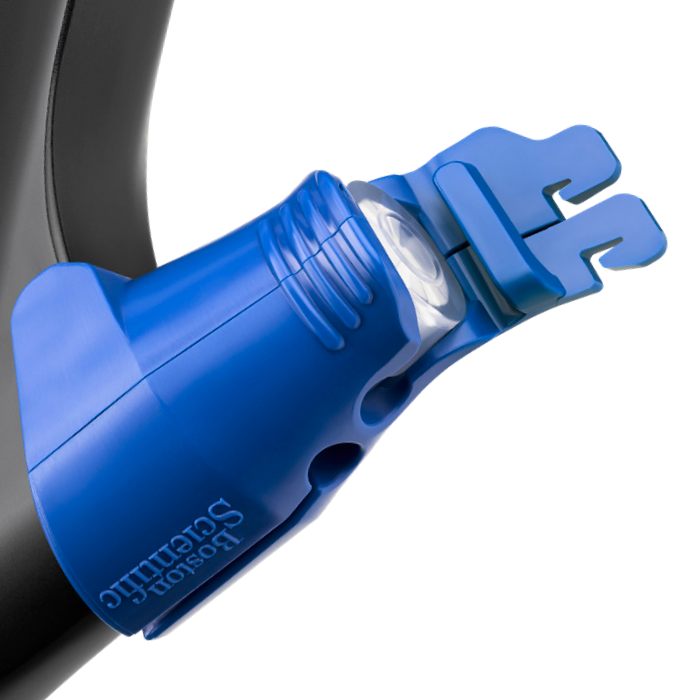
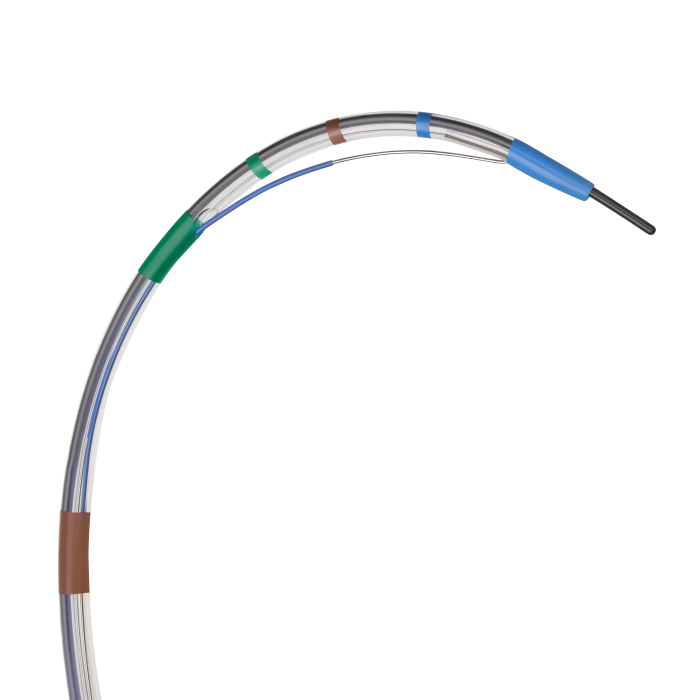
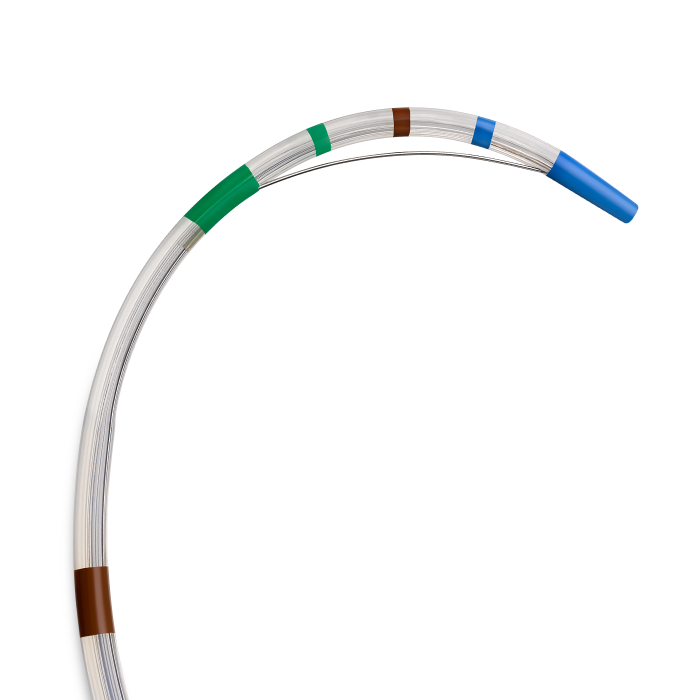
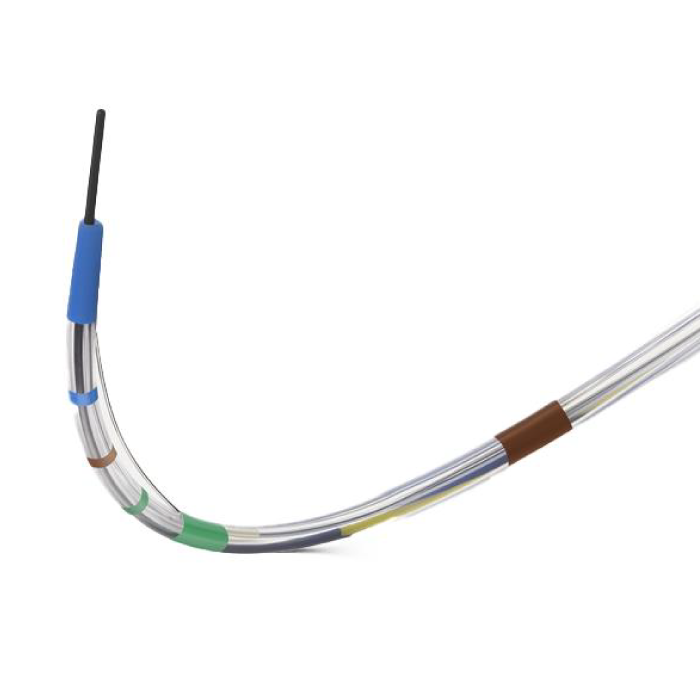
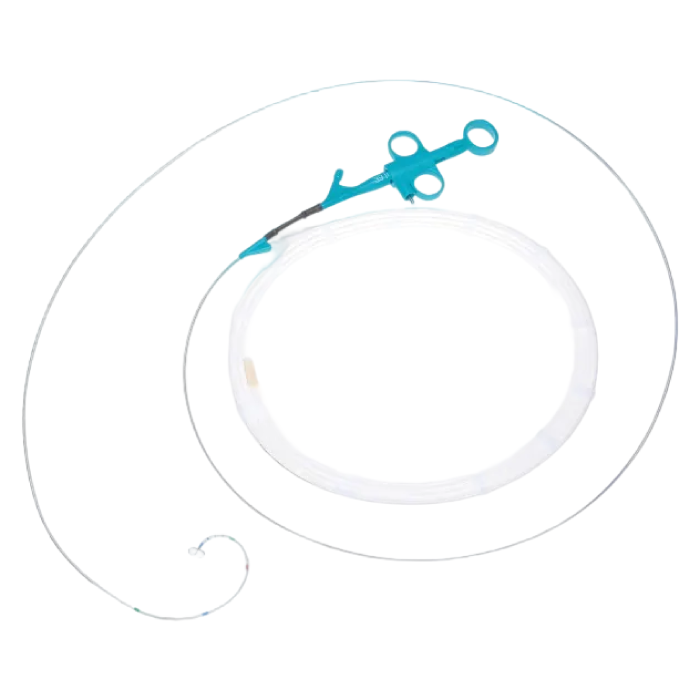
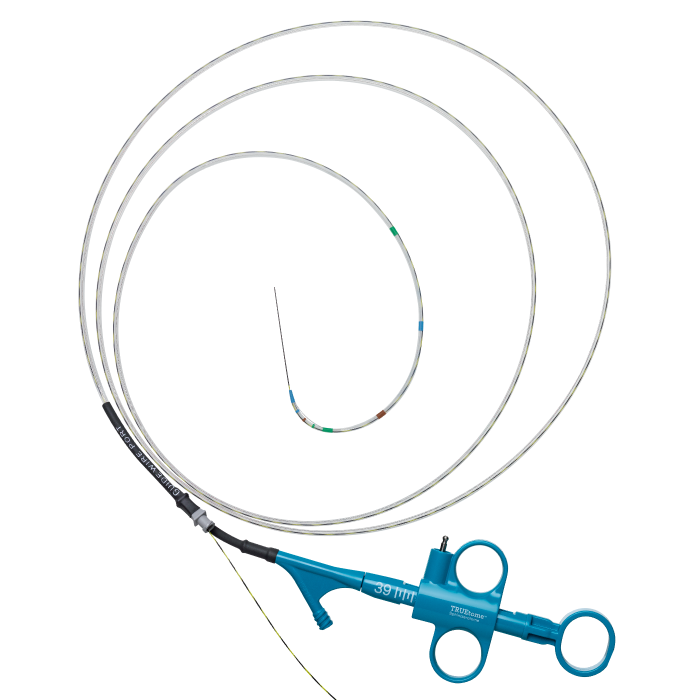
The RX Biliary System™ is designed with these needs in mind, enabling access and control in ERCP by:
- Putting the physician in control of the guidewire
- Securing the guidewire to maintain access during exchanges
- Ensuring a tactile feel during manipulation of the guidewire6,7