










Approximately 10–15% of biliary stone cases are considered difficult and cannot be treated effectively using standard Endoscopic Retrograde Cholangiopancreatography (ERCP) techniques.1 These complex biliary stone cases often present significant challenges for conventional endoscopic approaches.
At Boston Scientific, we have innovated to support stone clearance across the full spectrum of biliary stone complexity. This is made possible through a comprehensive suite of advanced, reliable, and effective technologies designed to address challenging cases where standard ERCP techniques may be insufficient.2
Proven Technologies for ERCP Stone Extraction
Our technologies enable control, efficiency, and precision in biliary stone removal procedures, and are designed to support clinician preference across the full spectrum of procedural complexity.
Factors such as patient condition, stone characteristics, and anatomical complexity all influence the difficulty of endoscopic clearance,2 making procedural versatility essential. Our comprehensive portfolio is designed to achieve first-time procedural success, faster recovery, and better outcomes for patients.
Dilation-Assisted Stone Extraction
The European Society of Gastrointestinal Endoscopy (ESGE) recommends a limited sphincterotomy combined with endoscopic papillary large-balloon dilation as the first-line approach for removing difficult common bile duct (CBD) stones.3 These dilation techniques are also central to managing biliary strictures.
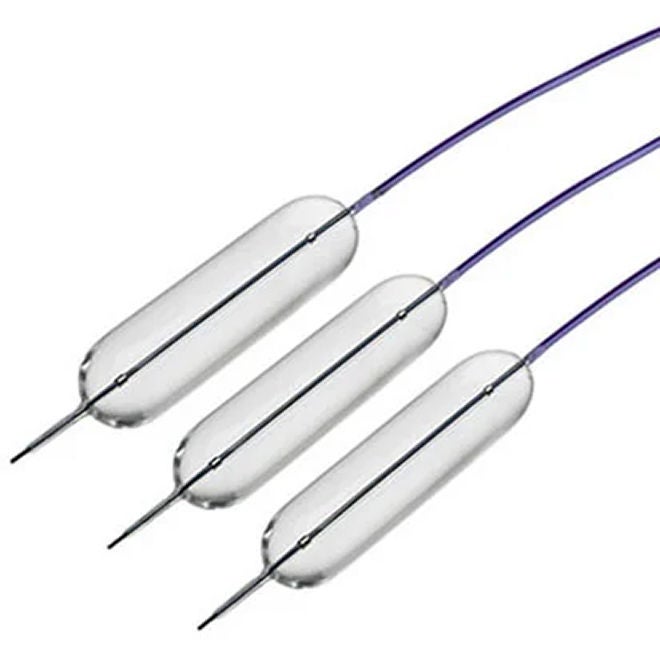
The CRE™ PRO Wireguided Balloon Dilatation Catheter provides consistent performance for optimal control, efficiency, and performance. The CRE™ PRO Wireguided Balloon Dilatation Catheter is capable of 3 distinct and progressively larger size diameters via controlled radial expansion.
For procedures requiring direct biliary access, the CRE™ RX Biliary Balloon Dilatation Catheter offers an additional option for controlled radial expansion. The catheter is multi-lumen, with the guidewire lumen beginning at the distal tip of the catheter. This lumen is used to pass the catheter over a 0.035 in (0.89 mm) guidewire to provide for the rapid exchange feature. This helps physicians maintain control of the guidewire and lock the device.
An integrated injection port and radiopaque markers support contrast delivery and facilitate balloon placement using fluoroscopy.
Stone Retrieval Balloons
The Extractor™ Pro RX and RX-S are retrieval balloon catheters used endoscopically to remove stones from the biliary system or to facilitate the injection of contrast medium while occluding the duct with the balloon.
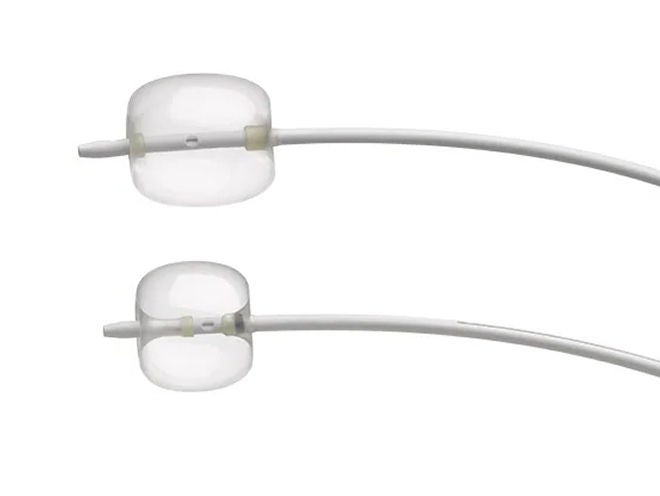
The Extractor™ Pro Retrieval Balloon Catheters feature a square shoulder design, and a single balloon can inflate to two distinct sizes, enabling efficient stone extraction without the need for device exchange mid-procedure. The RX-S model offers increased catheter stiffness for improved pushability and kink resistance. Both are available in multiple sizes to accommodate ductal anatomy.
Mechanical Lithotripsy
Wire baskets are a well-established method of stone extraction, though entrapment can be a concern, particularly with large or irregularly shaped stones.3,4
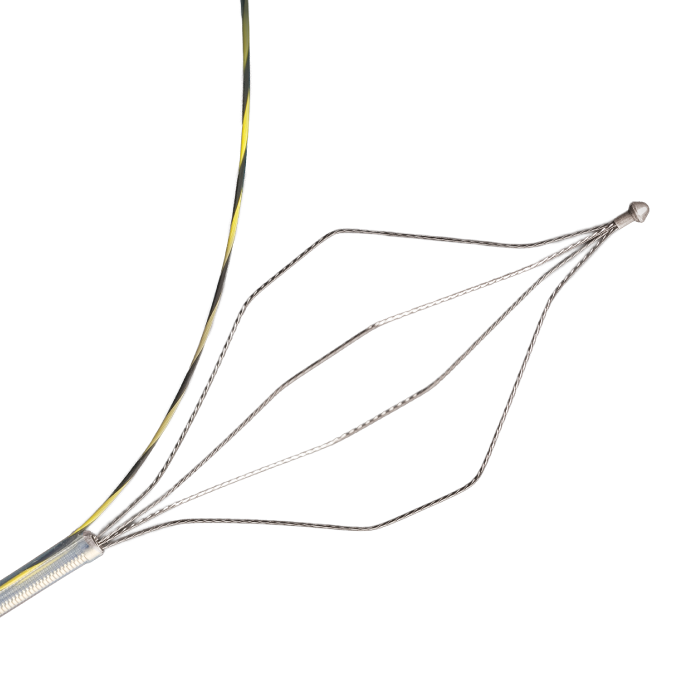
The Trapezoid™ RX Wireguided Retrieval Basket is designed to reduce this risk through three key features:
- A disengaging tip to facilitate basket removal if the stone does not break, helping to reduce the risk of basket impaction.
- A Flexi-Stiff™ Catheter construction providing a flexible and sturdy catheter designed to bend with biliary anatomy while maintaining pushability.
- A metal alloy basket designed to maintain basket symmetry even after difficult stone manipulation.
Stenting in Stone Management
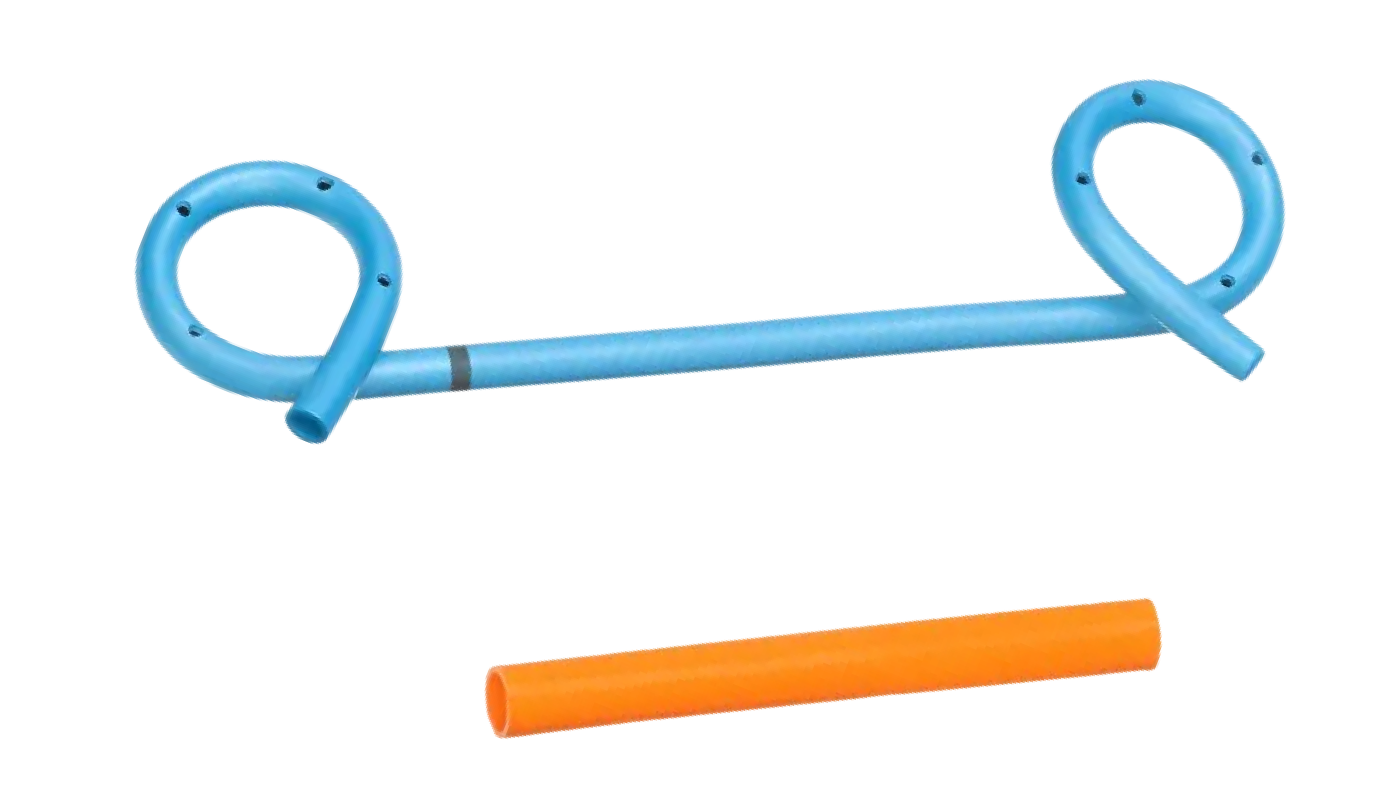
When biliary stones cannot be retrieved endoscopically, the ESGE recommends endoscopic biliary stent insertion to facilitate drainage and provide a bridge to alternative stone management approaches.3,5 The Advanix™ Biliary Stent is a plastic biliary stent designed for use in these cases, to provide biliary drainage and bile duct patency, including past a stone.
Supporting Biliary Drainage in Patients with Biliary Stones
The Advanix™ Biliary Stent with NaviFlex™ RX Delivery System supports biliary drainage during ERCP by maximising flow rate, improving stent deliverability, and enhancing procedural control through pre-loaded stent and delivery system options. The preloaded stent system offers an additional feature of being able to reposition the stent prior to deployment.
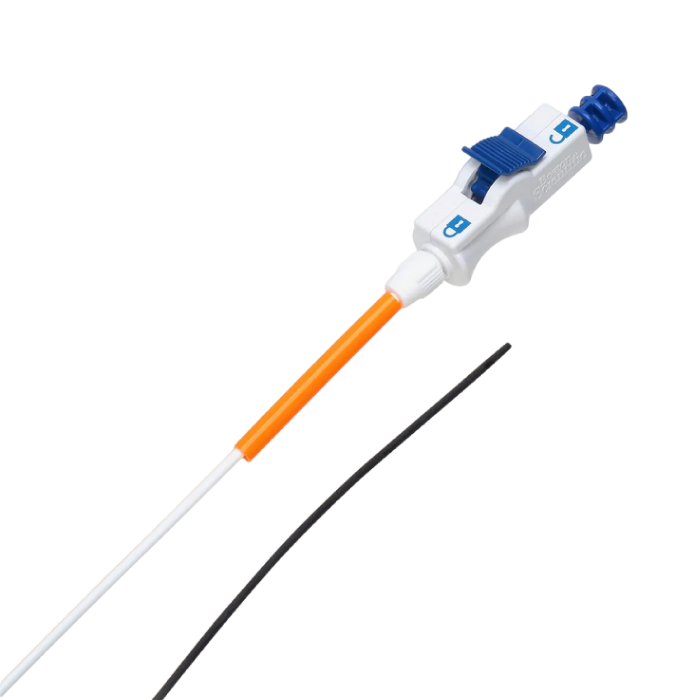
Enhancing Visualisation and Facilitating Stent Placement
Our comprehensive portfolio of biliary and pancreatic stent solutions is designed to support precise navigation and confident therapeutic intervention.