




FAQs

Frequently Asked Questions about Coronary DCBs

Answers to your most pertinent questions about Drug-Coated Balloons.

Coronary drug-coated balloons (DCBs) are increasingly used in Modern PCI for selected lesions such as ISR and small vessels. This FAQ addresses common clinical questions regarding paclitaxel (PTx) and sirolimus DCBs, coating technologies, deliverability considerations, and the clinical evidence supporting DCB therapy in routine practice. Where relevant, examples from AGENT™ DCB are provided.

Paclitaxel (PTx) versus Sirolimus

Paclitaxel (PTx) and sirolimus are the two primary drugs used in coronary DCBs. Their differing physicochemical properties are critical to explain their pharmacokinetic impact, especially with the short balloon inflation time of a DCB.

Unlike DES, Drug Coated Balloons have a very short (30 seconds) vessel transfer window for the drug.

PTx is ideally suited as it is hydrophobic (highly durable during tracking), more lipophilic (rapidly absorbed into tissue) and chemically stable (long half-life provides sustained retention).

Paclitaxel drug has become the most extensively studied in coronary DCB therapy and remains the most widely used and trusted in clinical practice1.
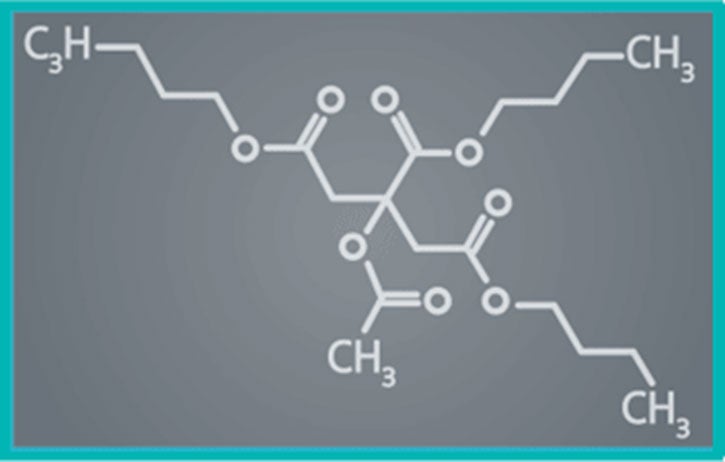
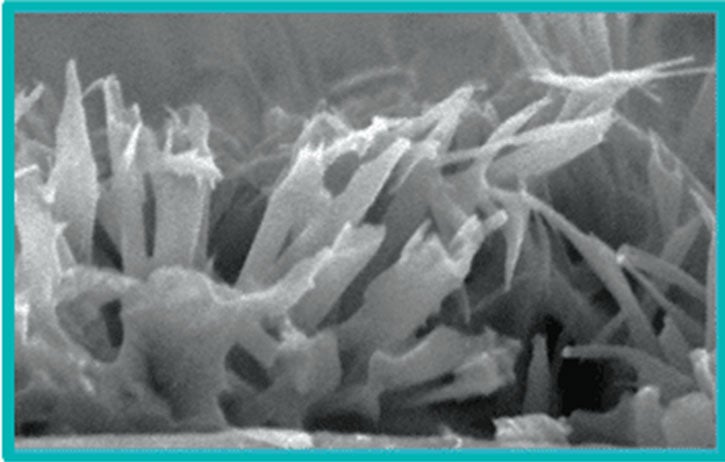
Keeping in mind the very short (30 seconds) vessel transfer window for the drug from the DCB to connect with the vessel wall, and without a permanent implant to control them, Limus drugs require substantial support from nano/micro carriers to control the drug transfer (hydrophilic), penetration (less lipophilic) and release of the drug (unstable-shorter half-life) throughout the restenotic cascade.

How DCB coating and catheter design influence performance

DCB performance is influenced by both drug formulation and catheter platform design.

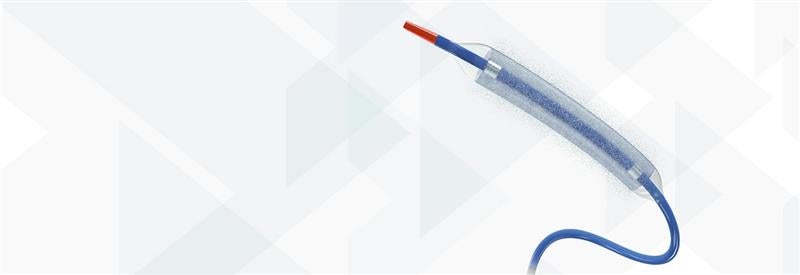
AGENT™ DCB combines:

  1. The lowest-dose paclitaxel formulation 2µg/mm² vs 3µg/mm² + compared with most other PTx DCB on the market.
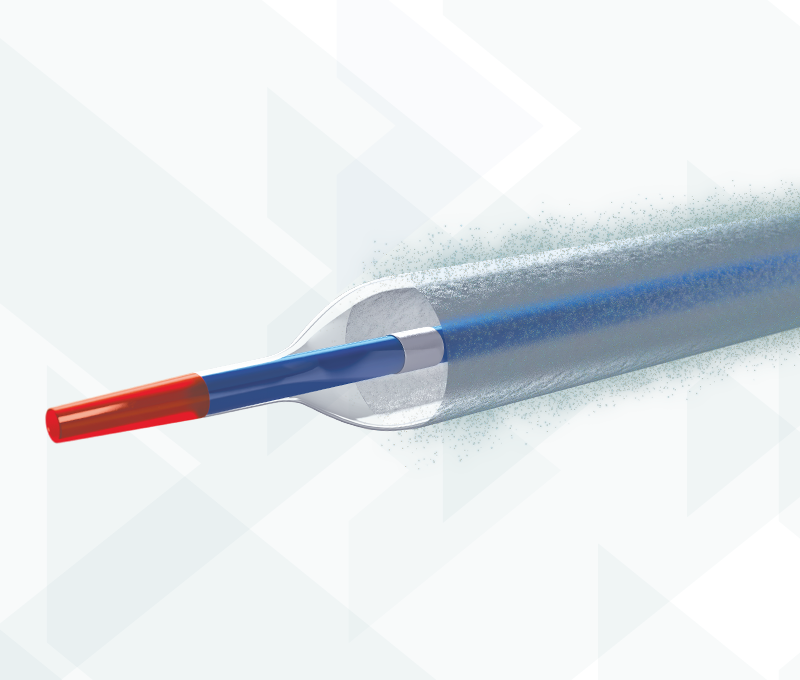
  2. The proprietary TransPax™coating is designed to protect and transfer the drug during tracking and inflation.
  3. Built on the EMERGE™ balloon catheter platform optimised for deliverability in distal/complex anatomy.

This combination is designed to optimise coating integrity during tracking, facilitate efficient drug transfer during inflation, and support predictable positioning in coronary anatomy

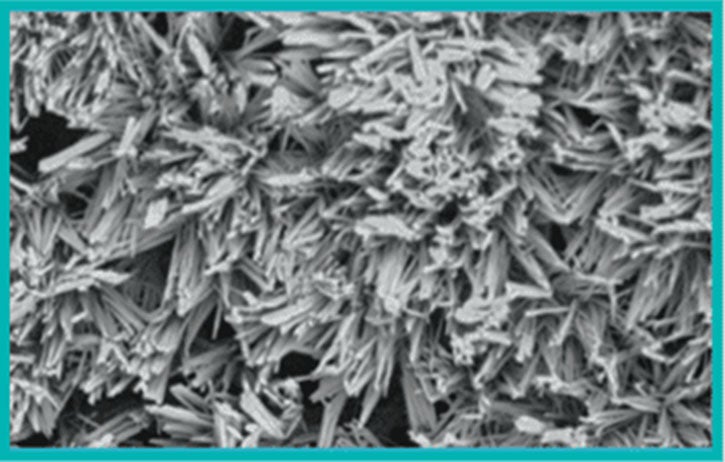
Coating technologies are necessary for efficient drug transfer from the balloon to the vessel wall. In the case of AGENT™ DCB, the proprietary TransPax™ coating formulation combines acetyl tributyl citrate (ATBC) with crystalline paclitaxel. It is engineered to:

  • Maintain coating integrity during tracking and positioning.
  • Enable rapid tissue transfer during short balloon inflation.
  • Support sustained drug retention in the vessel wall.

Drug-coated balloons need to be designed to support an optimal drug transfer to the vessel wall, leaving no permanent implant behind. In the case of AGENT™ DCB, these are achieved through:

Targeted Transfer:
Efficient delivery of paclitaxel
from balloon to vessel wall during inflation.

Targeted Transfer

Rapid Absorption:
Lipophilic, crystalline paclitaxel
 facilitates rapid uptake into tissue.

Rapid Absorption

Sustained Retention:
Crystalline structure supports continued
drug presence during healing.

Sustained Retention

These mechanisms are intrinsic to the TransPax™ coating design. This is explained in further detail on the homepage.

Deliverability design starts with the right design goals. AGENT is designed for optimal deliverability in the most complex lesions, and engineered to balance the following:

  • Pushability: This is measured by the effective force transmission delivered to track the distal end of the DCB through a tortuous vessel.
  • Trackability: Maximum flexibility improves trackability for optimal distal delivery in the most complex lesions.
  • Crossability: AGENT’s laser bonded tip lowers profile, improving crossability and reducing tip catch in the most complex lesions.

AGENT has the lowest tracking force of all tested DCBs2, meaning it navigated the most resistance-heavy part of the track with the least effort. This is explained in further detail on the homepage.

Clinical evidence

AGENT™ DCB has been studied in more than 16,000 patients and used in over 275,000 procedures worldwide.

Key studies that include AGENT™:

  • Alliance De Novo Study; the largest de novo study involving AGENT™ to date showing efficacy and safety, and met its primary endpoint of 4.7% TLF at 1-year.3
  • Japan Small Vessel Study vs SeQuent Please™ , demonstrated equivalent TLF at 1-year, and numerically lower levels of late lumen loss with AGENT treatment.4
  • AGENT ISR vs SeQuent Please™ . First Head-to-Head RCT of Two PTx DCBs with a different drug load, showing equivalent primary endpoint outcomes.5
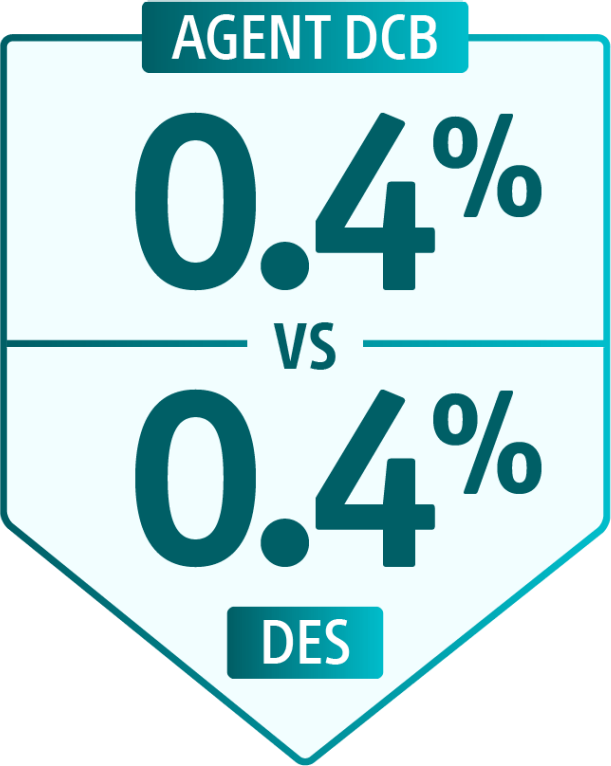
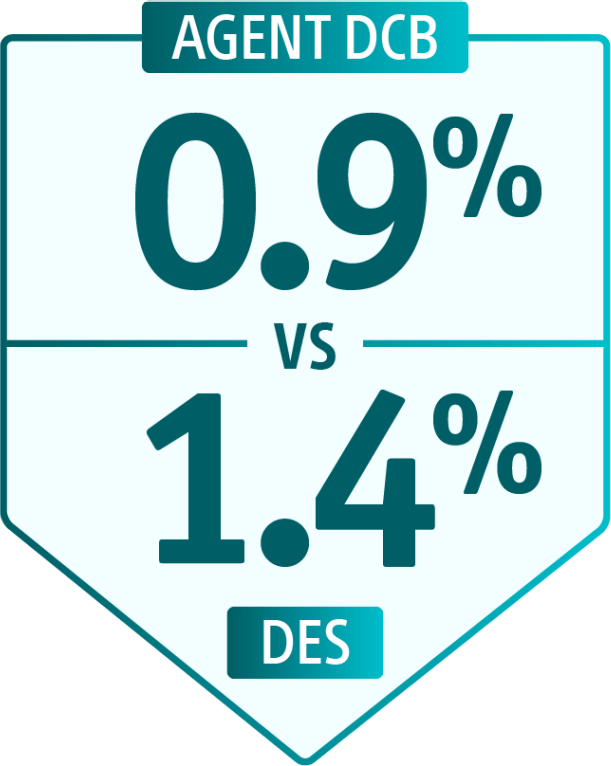
  • Post U.S. Approval Study 2025: Demonstrates the rapid uptake of DCB therapy in the US and excellent in-hospital safety outcomes comparable to Drug-Eluting Stent (DES) patients.6

Detailed study summaries and references are available in the Clinical Evidence section.

Yes. AGENT™ DCB clinical data include multi-year follow-up results demonstrating sustained clinical outcomes. AGENT’s long-term clinical performance supports its role in routine PCI practice.

Myocardial infarction (MI)

Myocardial infarction (MI)

Bleeding

Post-approval-bleeding

All cause mortality

Post-approval-bleeding

Learn more about AGENT™ and DCB treatment

  1. Data on file at BSC as of October 2025.
  2. Testing data on file at BSC. DCBs tested were SeQuent Please, Prevail, Pantera Lux, Magic Touch and Selution
  3. Nakamura, M et al. Paclitaxel Drug-coated Balloon Angioplasty for De Novo Coronary Lesions in an Expanded Real World Clinical Setting: The Multicenter ALLIANCE Registry. medRxiv. 3 December 2025. Pre-print before peer-reviewed publishing. doi: https://doi.org/10.64898/2025.11.30.25341329. N=1,817 patients. AGENT 73.3% and SeQuent Please Neo 26.4%.
  4. Nakamura, M, et all, Drug-coated balloon for the treatment of small vessel coronary artery disease, Circulation Japan 2022.
  5. Hamm CW, et al. A multicentre, randomised controlled clinical study of drug coated balloons for the treatment of coronary in-stent restenosis. AGENT ISR Trial. EuroInterventions 2020,16: e328-e344. published online. DOI: https://doi.org/10.4244/eij-d-19-00051
  6. Data presented at TCT 2025 by Dr. Christina Lalani.

CAUTION:

The law restricts these devices to sale by or on the order of a physician. Indications, contraindications, warnings, and instructions for use can be found in the product labelling supplied with each device or at www.IFU-BSCI.com.
Products shown for INFORMATION purposes only and may not be approved or for sale in certain countries.
This material not intended for use in France.