





Banner that shows two physicians looking at data on a laptop.

The recent evidence for AGENT™ DCB

Explore the clinical and real world evidence that makes AGENT™ DCB a valuable asset in your Modern PCI toolkit.​

Clinical outcomes you can trust​

Recent clinical data continues to reinforce AGENT™ Drug-Coated Balloon (DCB) as a proven solution for treating coronary artery disease. AGENT™ DCB has been used in more than 275.000 patients worldwide and studied in more than 16.000 patients across complex in-stent restenosis (ISR) and de novo populations.¹
Jump to :


ALLIANCE Registery 2025: Paclitaxel DCB is effective and safe in current practice2

The ALLIANCE Registry is a prospective, non-randomized, multicentre, all-corners de novo registry of over 1.800 patients including over 1.300 patients treated with AGENTTM DCB.2

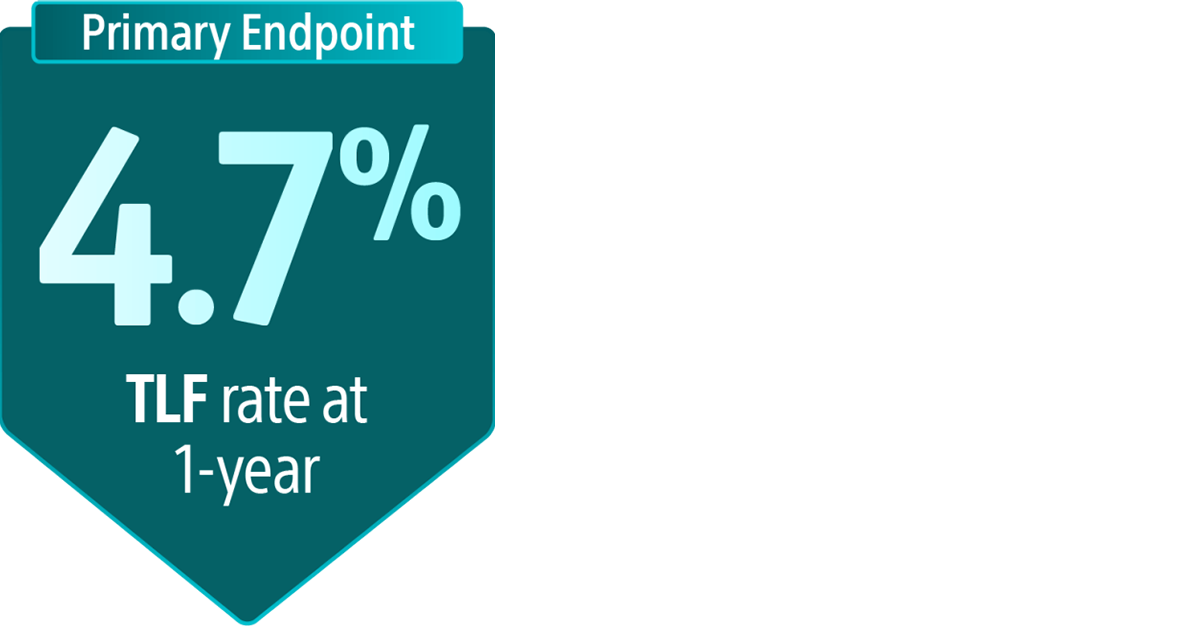
A graph showing the primary endpoint TLF rate.

Primary Endpoint3

The ALLIANCE Registry met the primary endpoint 1-year Target Lesion Failure (TLF) rate of 4.7% which was significantly lower than the prespecified performance goal of 7.5% (P<.001).

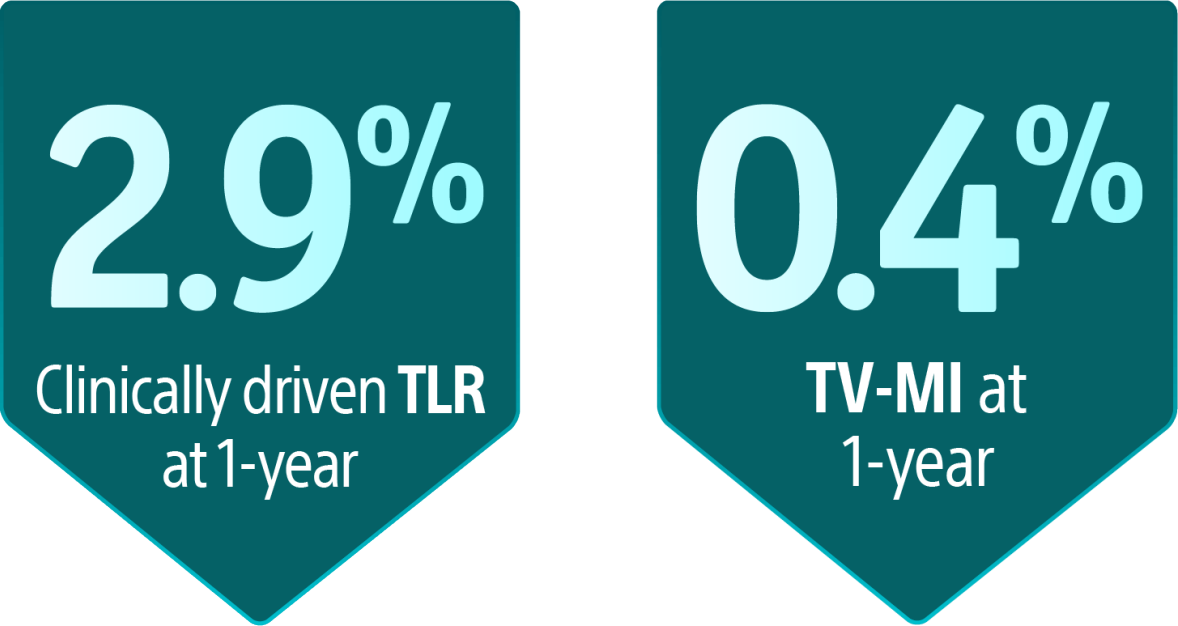
Two graphics indicating TLR at 1-year and TV-MI after 1-year.

The TLF was driven by low clinically-driven Target Lesion Revascularization (TLR) at 2.9% and Target Vessel Myocardial Infarction (TV-MI) at 0.4%.

Complex patient population3

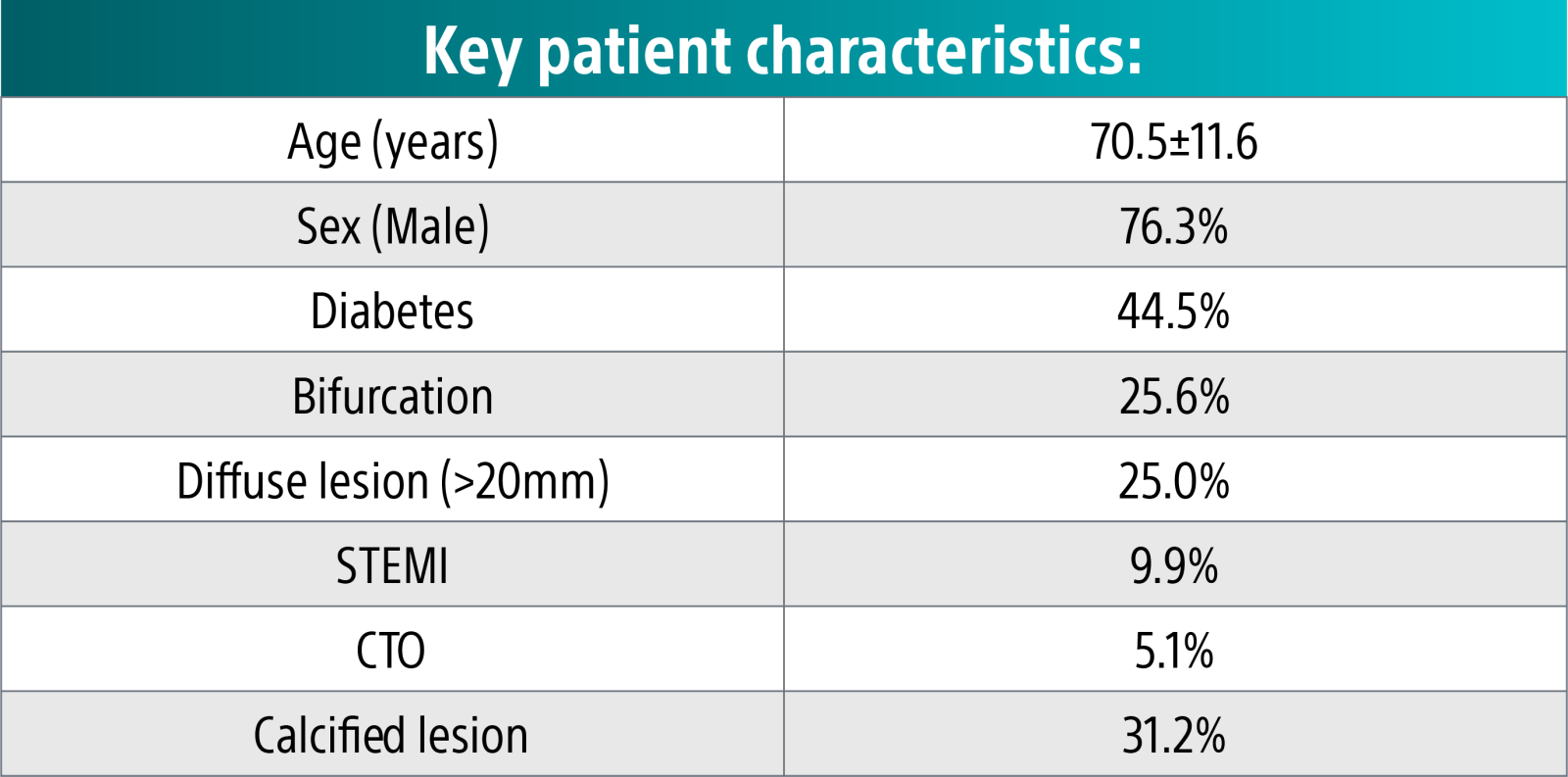
These clinical pages were observed despite a complex population and high rates of calcified lesions.

*Data shown may include results from studies using the product outside its approved labelling. These findings are presented for scientific discussion only. Please refer to the Instructions for Use (IFU) or product labelling for approved indications and usage.
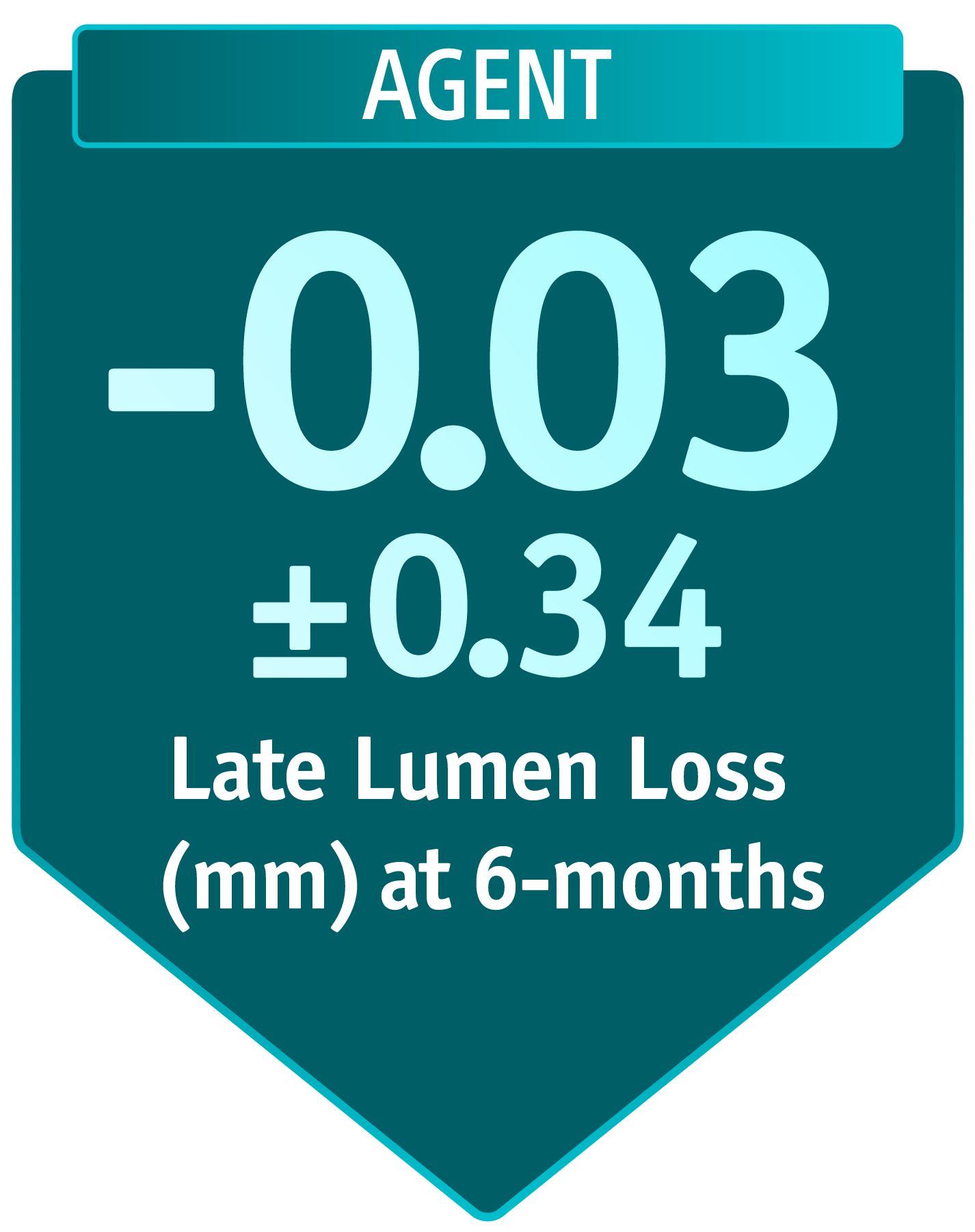
AGENTTM Japan Small Vessel Study 2022 : AGENTTM demonstrates numerically lower levels of late lumen loss4

This multicentre, prospective, randomized, non-inferiority study compared AGENTTM vs. SeQuent PleaseTM in Small Vessels & de novo lesions.

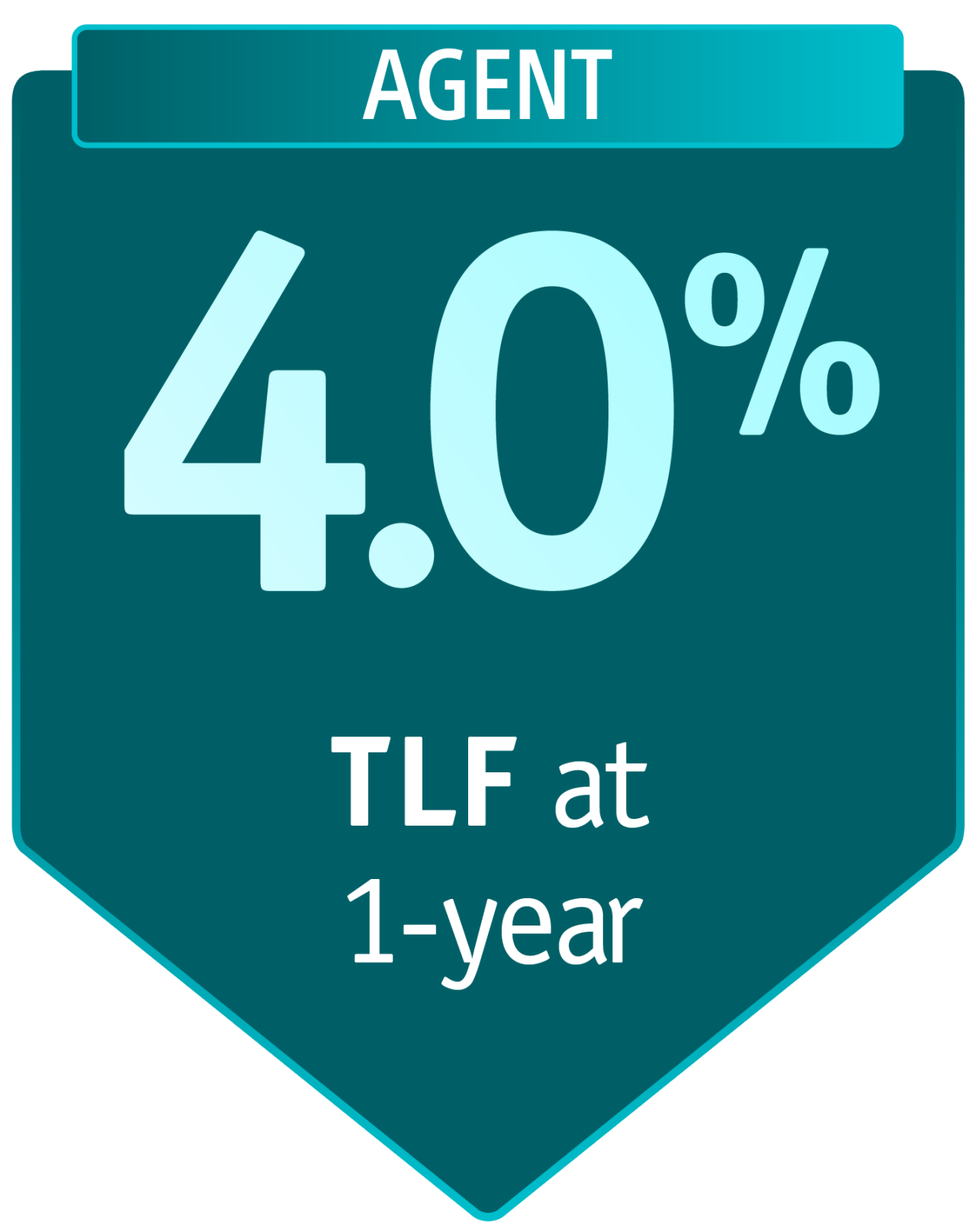
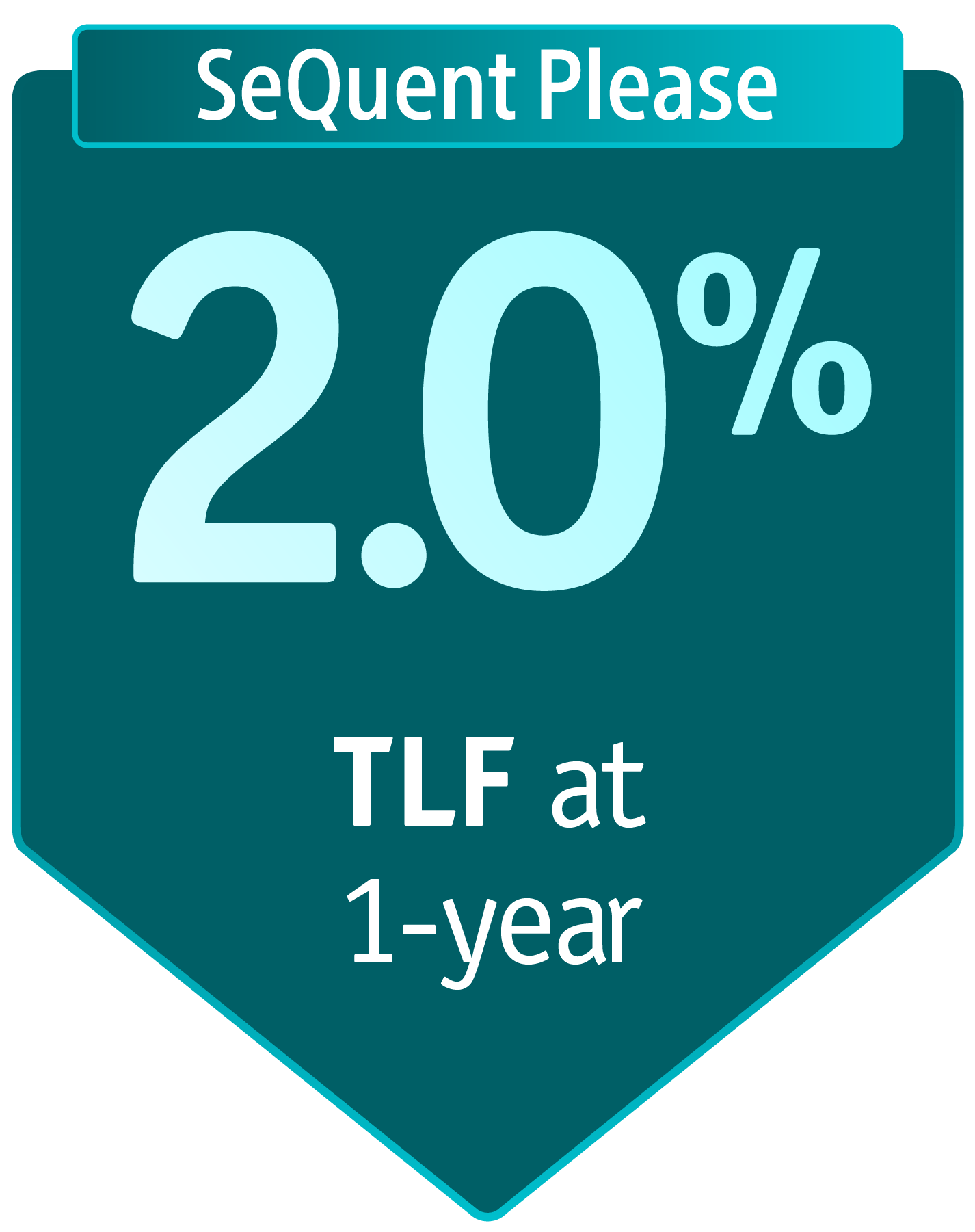
Primary endpoint

Primary endpoint was met, and non-inferiority (TLF is 4.0% for AGENTTM, 2.0% for SeQuent PleaseTM, p=0.54) was achieved despite lower balloon drug load. AGENT: 2 μg/mm2, SeQuent Please: 3 μg/mm2.

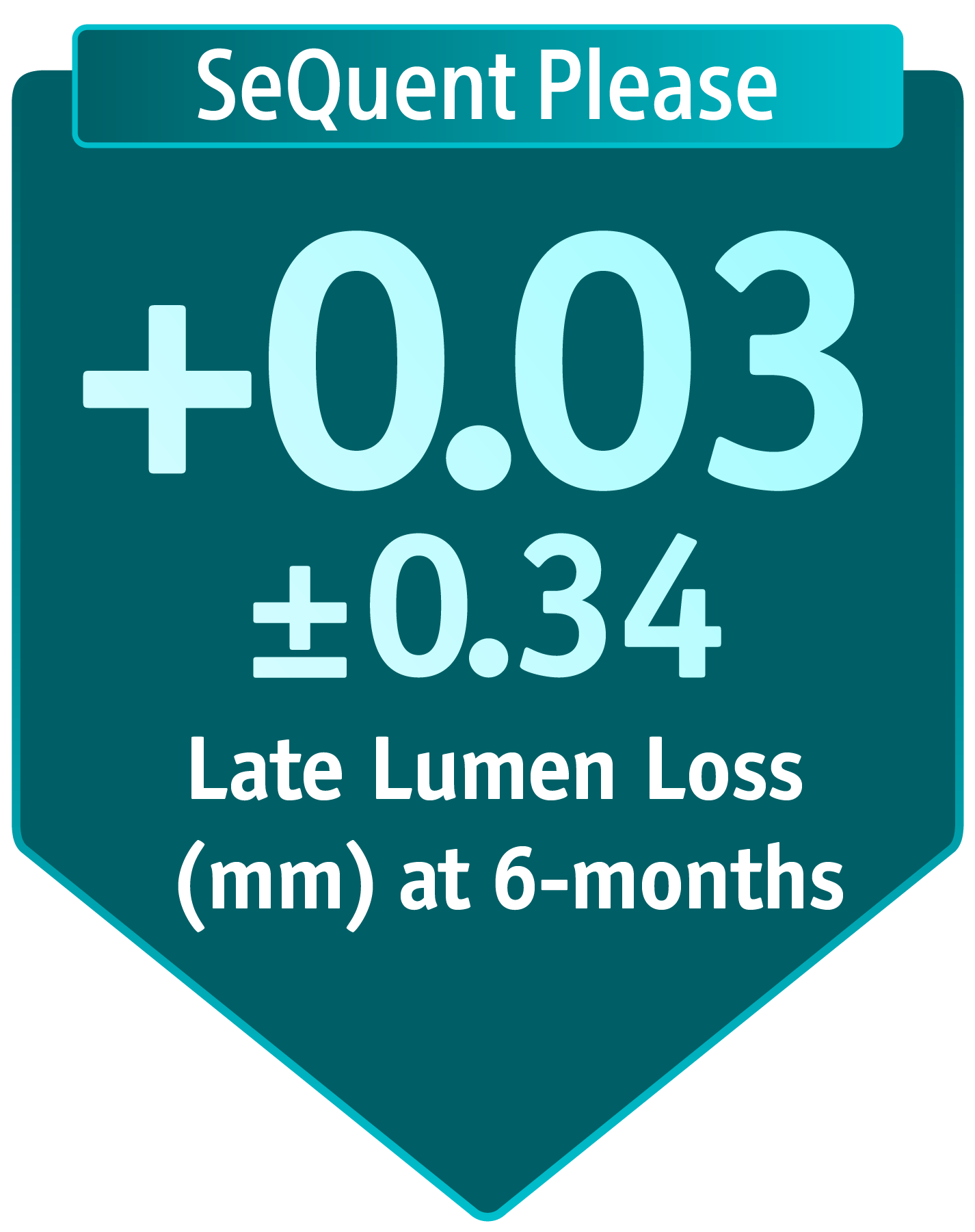
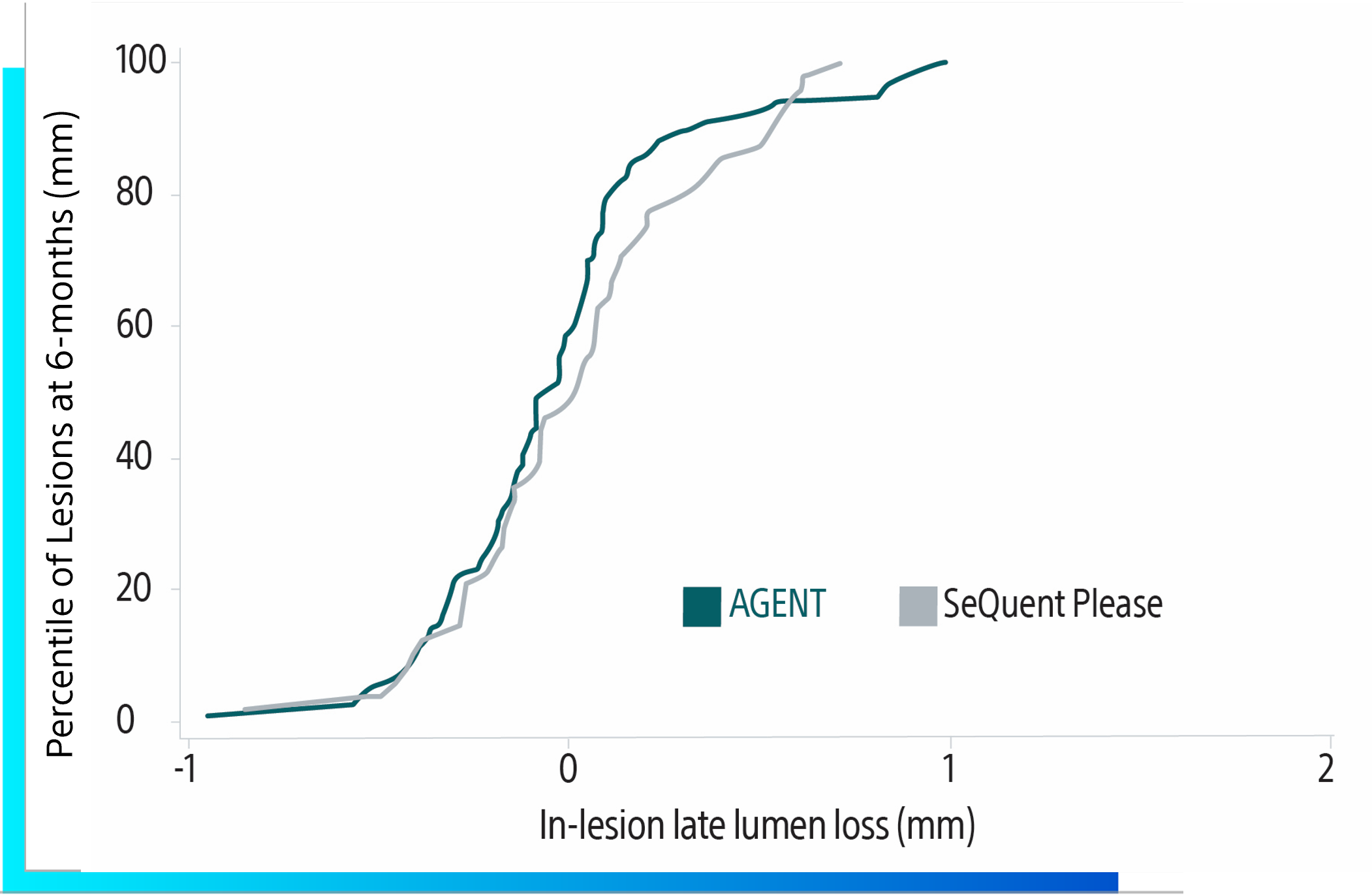
Low Late Lumen Loss at 6 Months

Importantly, AGENTTM DCB demonstrated numerically lower levels of late lumen loss at 6 months compared to SeQuent PleaseTM.

graph-in

Real world evidence Post U.S. Approval Study 2025: comparable safety of DCB vs Drug-Eluting Stents (DES)5

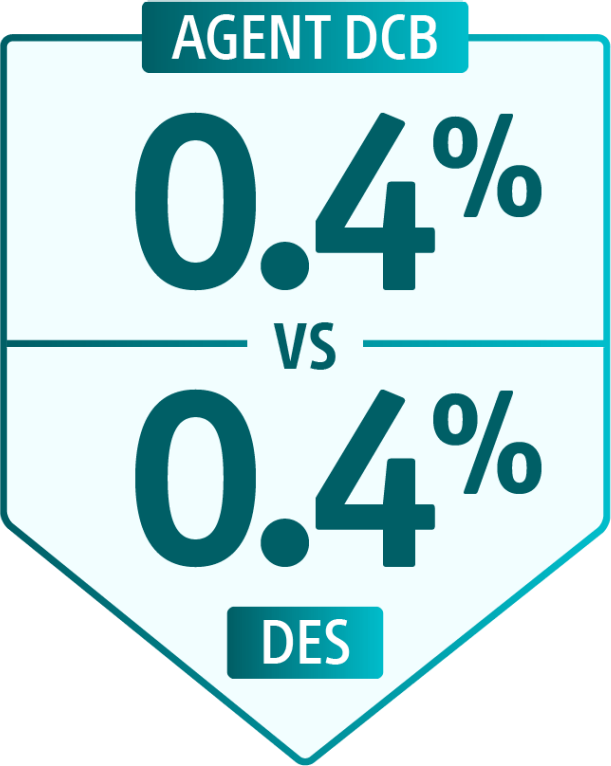
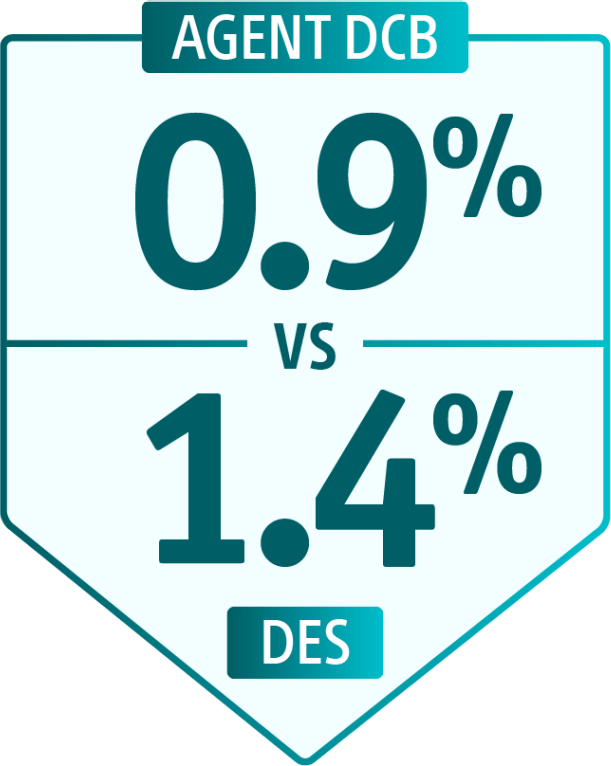
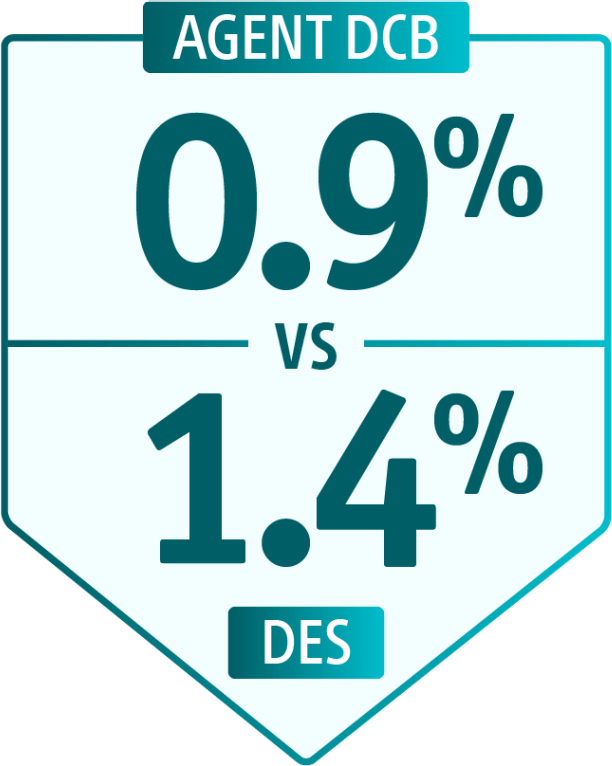
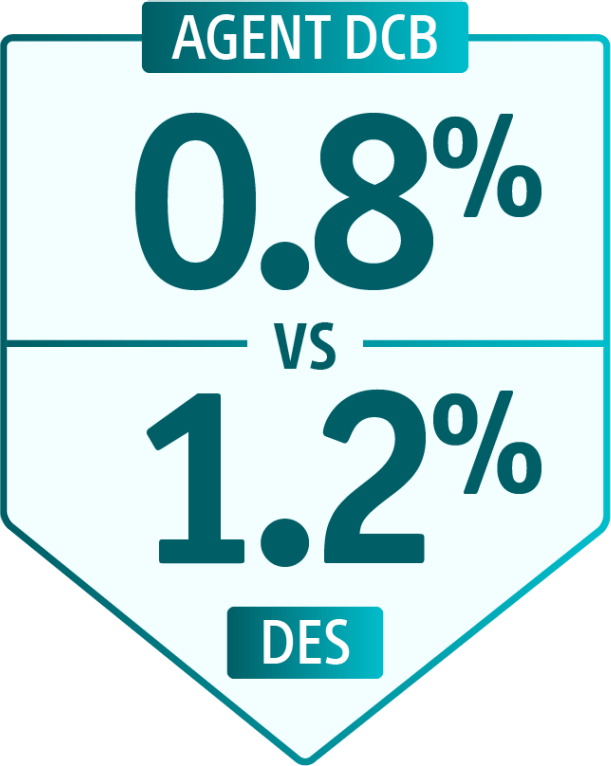
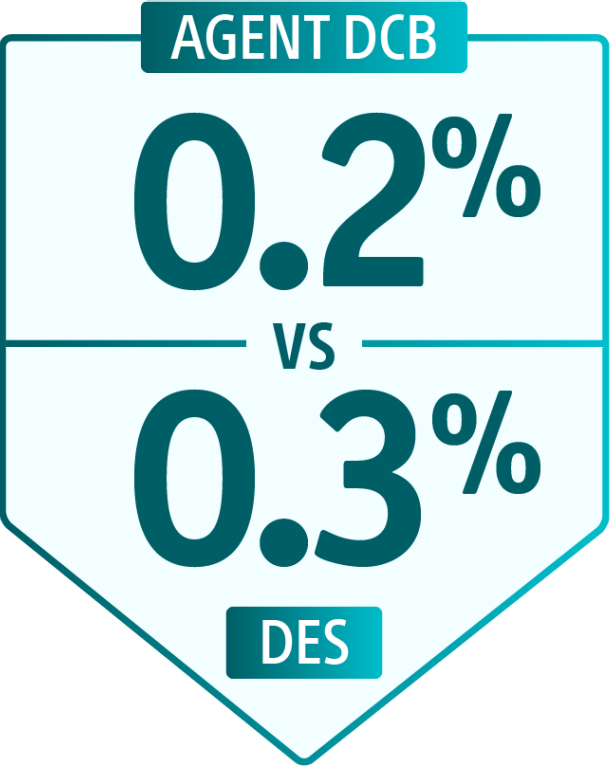
Data from over 12.000* real-world AGENT DCB patients in the U.S. demonstrates the rapid uptake of the therapy in the region and excellent in-hospital safety outcomes comparable to DES patients.5

In-hospital safety outcomes for ISR PCIs **

Myocardial infarction (MI)

Myocardial infarction (MI)

Bleeding

Post-approval-bleeding

All cause mortality

Post-approval-bleeding

All cause mortality

A comparison between AGENT DCB and DES

Myocardial infarction (MI)

Myocardial infarction (MI)

Bleeding

A comparison between AGENT DCB and DES

Heart failure

A comparison between AGENT DCB and DES

Ischemic stroke

A comparison between AGENT DCB and DES

This study showed approximately 17.5% of patients undergoing ISR PCI are now treated with a DCB. It also found DCB is more often used with intravascular imaging and adjunctive prep devices.⁵

*27.2% of AGENTᵀᴹ ISR use (3,459/12,729 procedures) through June 2025 was for an off-label indication. These findings are presented for scientific discussion only. Please refer to the Instructions for Use (IFU) or product labelling for approved indications and usage.
**AGENTᵀᴹ DCB n=9,269 and DES n=65,890.
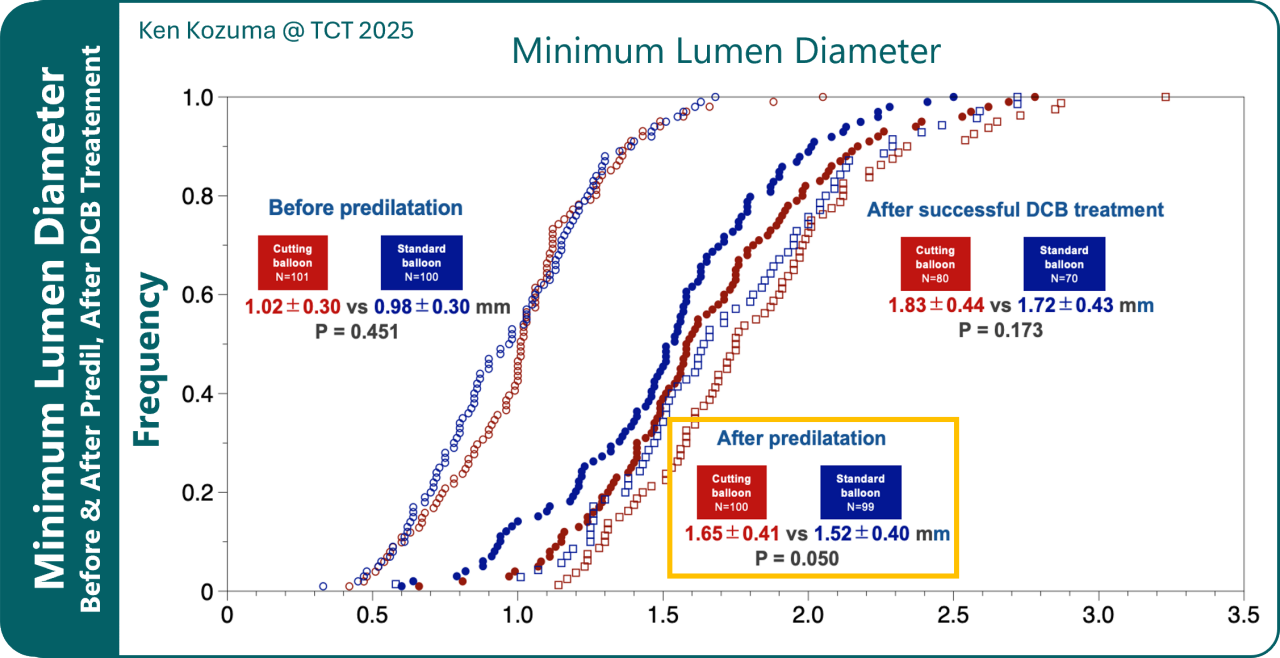
NATURE RCT 2025: Significantly better MLD in pre-DCB preparation with Cutting Balloon vs Standard balloon.6

In this study, vessel preparation with WOLVERINETM Cutting BalloonTM was compared to Vessel preparation with a Standard Balloon before AGENTTM DCB Treatment of De Novo Lesions

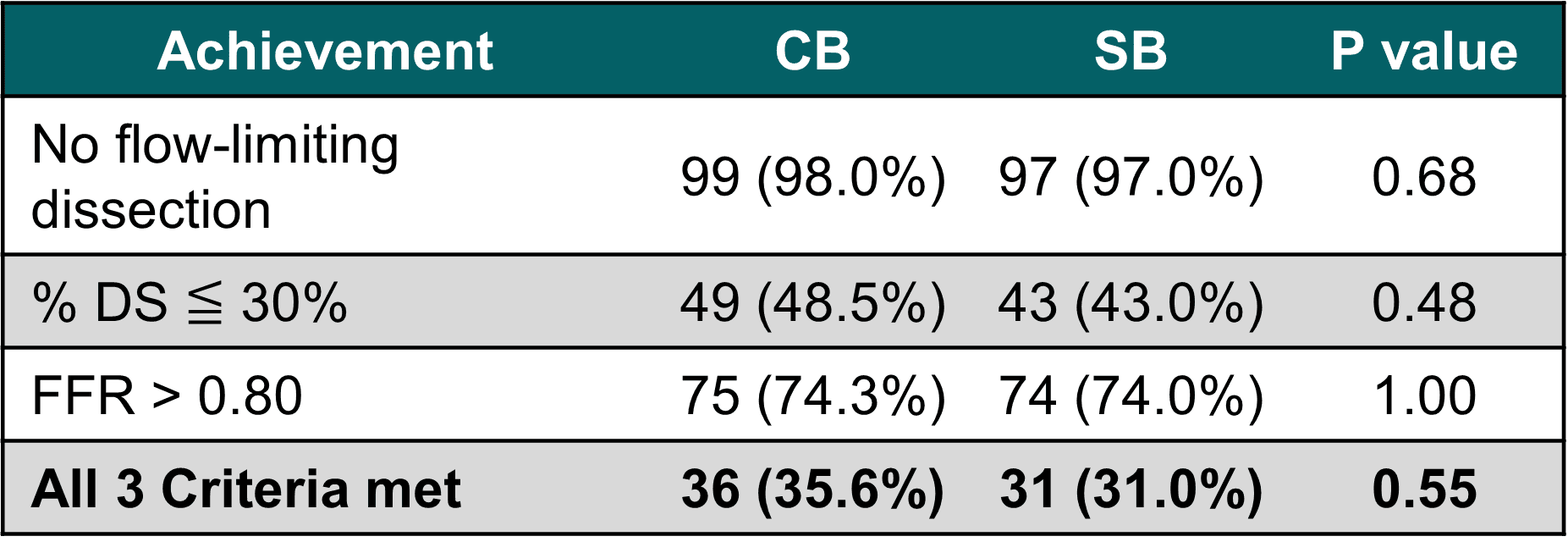
Primary endpoint

The primary endpoint of angiographic + FFR optimal pre-DCB preparation showed comparable results in both groups with a numerical difference in favour of WOLVERINEᵀᴹ Cutting Balloon (35,6% vs 31%, p=0,55).

Table that shows key patient characteristics.

Cutting Balloon led to significantly better pre-DCB preparation based on Minimum Lumen Diameter (MLD) suggesting the possibility of better longterm results and may lead to improved drug delivery and long-term outcomes in DCB procedures.

Further findings about using HD-IVUS in correlations with 12-month composite endpoints and 9-month LLE (after DCB treatment) are not yet disclosed. These results will support previous findings in a rabbit model for improved drug delivery⁵.
Primary endpoint

The NATURE trial demonstrates that WOLVERINEᵀᴹ Cutting Balloon, through its mechanism of action - creating controlled microincisions, providing anchoring stability, and amplifying dilatation force - enables safe and predictable plaque modification.
Expanding clinical evidence

275.000+ patients have been treated with AGENTTM DCB globally, with over 16.000 patients evaluated or currently undergoing evaluation with AGENTTM DCB.1 Patients are at the centre of everything we do at Boston Scientific as we continue to research and advance science for life. That’s why we sponsored the AGENT DCB STANCE Trial.

This trial is designed to assess the safety and effectiveness of the AGENTTM DCB compared to the standard of care – percutaneous coronary intervention (PCI) treatment with DES and/or balloon angioplasty – in patients with de novo coronary lesions.

Patients enrolling in the trial must have a de novo target lesion located in a native coronary artery. The study is examining de novo lesions in small vessels, bifurcations, and long lesions. The primary endpoint is Target Lesion Failure (TLF) at 12 months.

Visit clinicaltrials.gov for more information on trial sites and expected completion.

Learn more about AGENTTM and DCB treatment


1. Data on file at BSC as of October 2025.

2. Nakamura, et al. Paclitaxel Drug-coated Balloon Angioplasty for De Novo Coronary Lesions in an Expanded Real World Clinical Setting: The Multicenter ALLIANCE Registry. medRxiv. 3 December 2025. Pre-print before peer-reviewed

publishing. doi: https://doi.org/10.64898/2025.11.30.25341329

3. Data presented at TCT 2025 by Dr. Masato Nakamura. Results include over 1,300 Japanese patients treated with AGENT DCB (73.3% of the 1,800 PTX DCB patients).

4. Nakamura, M, et all, Drug-coated balloon for the treatment of small vessel coronary artery disease, Circulation Japan 2022 AGENT IDE Clinical Trial data presented at CRT 2024 by Dr. Robert Yeh.

5. Data presented at TCT 2025 by Dr. Christina Lalani.

6. Ken Kozuma @ TCT 2025

7. Shiozaki, M., et al. Catheterization and Cardiovascular Interventions (2025).


CAUTION:

The law restricts these devices to sale by or on the order of a physician. Indications, contraindications, warnings, and instructions for use can be found in the product labelling supplied with each device or at www.IFU-BSCI.com.
Products shown for INFORMATION purposes only and may not be approved or for sale in certain countries.