










Approximately 5% to 16% of patients with acute pancreatitis and 20% to 40% of patients with chronic pancreatitis develop pancreatic pseudocysts (PP).1
Symptomatic pancreatic pseudocysts may be treated surgically, percutaneously, or endoscopically. Comparative evidence consistently favours endoscopic (EUS-guided) drainage over surgical and percutaneous approaches across reinterventions, hospital stay length, and cost.2-6
Limitations of surgical approach
7–37%
morbidity rate with surgical management²
6%
mortality rate associated with surgery²
Cost of percutaneous drainage
$184,240
per patient*4
9-day
average length of hospital stay*4
*Results from a population-based pancreatic pseudocyst analysis
Beyond cost, percutaneous drainage provides limited treatment benefit as recurrence rates are high and fistulas may form,2 and the approach may create a substantially higher downstream hospital burden than EUS-guided/endoscopic drainage.3
The clinical and economic case for endoscopic drainage
4 to 2
median number of interventions with EUS-guided vs percutaneous drainage, supporting a lower repeat procedure burden for hospitals*5
~15x lower
reintervention costs associated with EUS-guided vs percutaneous drainage ($108.26 vs $1,601.54)**6
~4x lower
unplanned readmission costs with EUS-guided vs percutaneous drainage ($450.00 vs $1,717.56)**6
*In postoperative pancreatic fluid collections
**As a direct downstream-cost analogue for drainage pathway
Previously, endoscopic management of pancreatic pseudocysts has been difficult as available technologies were not designed for this purpose—leaving many patients without a purpose-built solution. EUS-guided drainage addresses this unmet need directly.
EUS-Guided Drainage for Chronic Pancreatitis
At Boston Scientific, we continue to advance endoscopic ultrasound (EUS) with technologies such as the Hot AXIOS™ system, enabling more efficient and effective treatment of this complex disease.
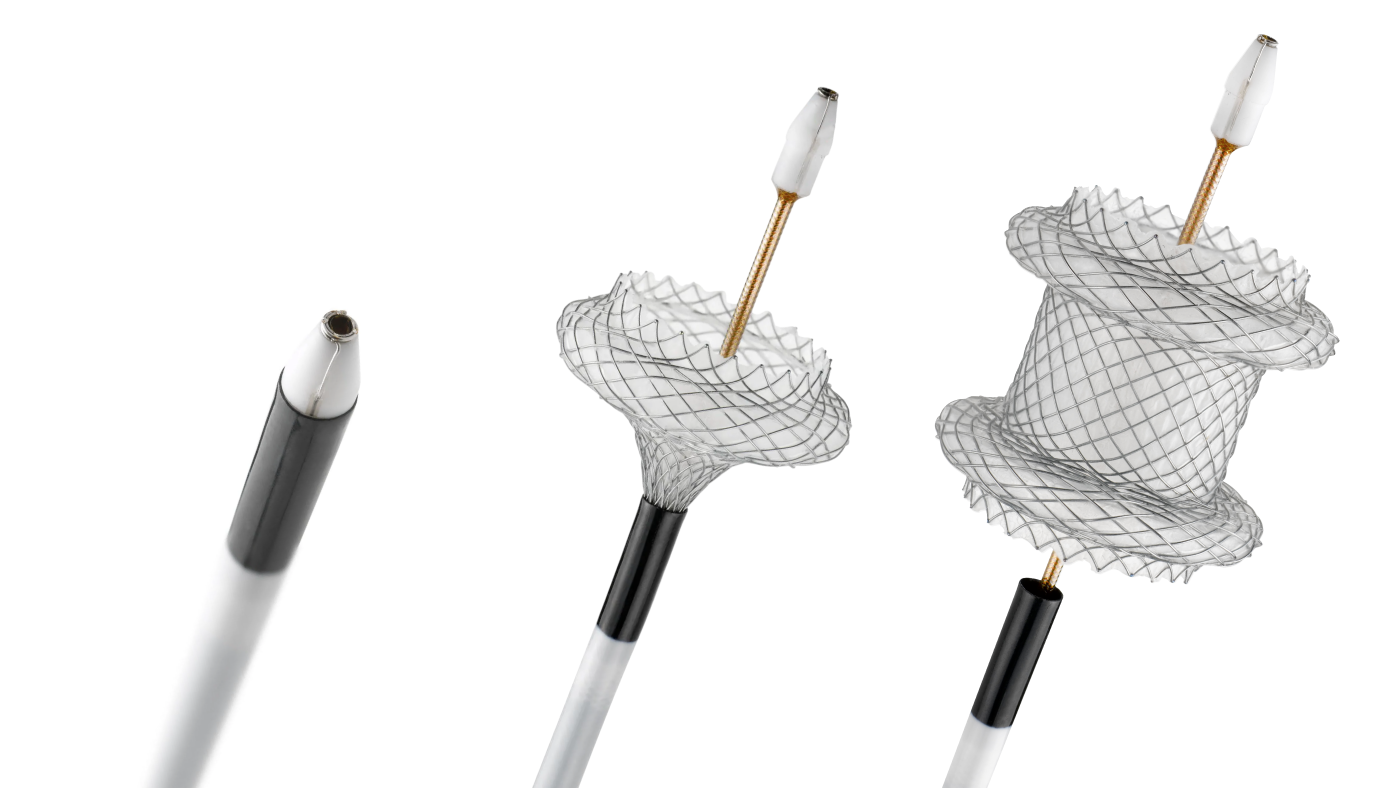
Hot AXIOS™ for the Treatment of Symptomatic Pancreatic Pseudocysts
The Hot AXIOS Stent and Electrocautery-Enhanced Delivery System enables therapeutic endoscopists to safely and accurately access a pancreatic fluid collection from the gastrointestinal tract and place the Hot AXIOS Stent. Used under combined endoscopic and EUS guidance, its electrocautery-enhanced delivery system is designed to facilitate smooth, efficient access while minimising radiofrequency interference with visualisation.
Learn about the Hot AXIOS™ Stent and Electrocautery-Enhanced Delivery System
Hot AXIOS™ Learning Path
Further your professional development through our tailored Hot AXIOS™ Learning Path, combining digital and face-to-face training to equip physicians with the knowledge and skills needed to perform EUS-guided drainage procedures with confidence.