




Trial rationale

Trial Rationale

Trial Rationale

5.5 million patients

are affected by

NVAF* worldwide1

NVAF patients have a

2-7X greater risk of

ischemic stroke2

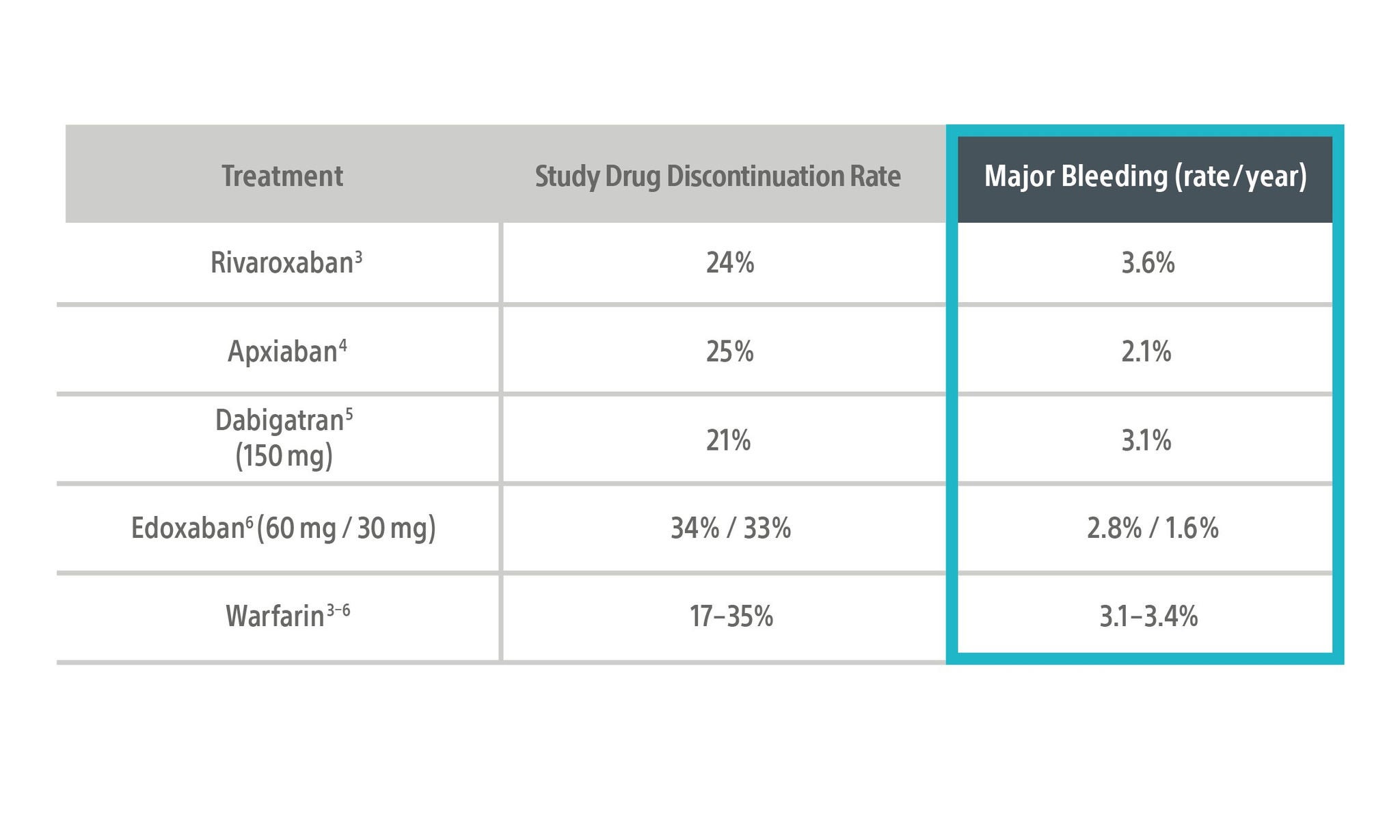
Current guidelines state that non-vitamin K antagonist oral anticoagulant (NOAC) therapy is the first line option for treatment of stroke risk reduction in non‑valvular atrial fibrillation (NVAF) patients. However, bleeding risk on these therapies compounds year over year, and are comparable across current pharmacotherapy options.
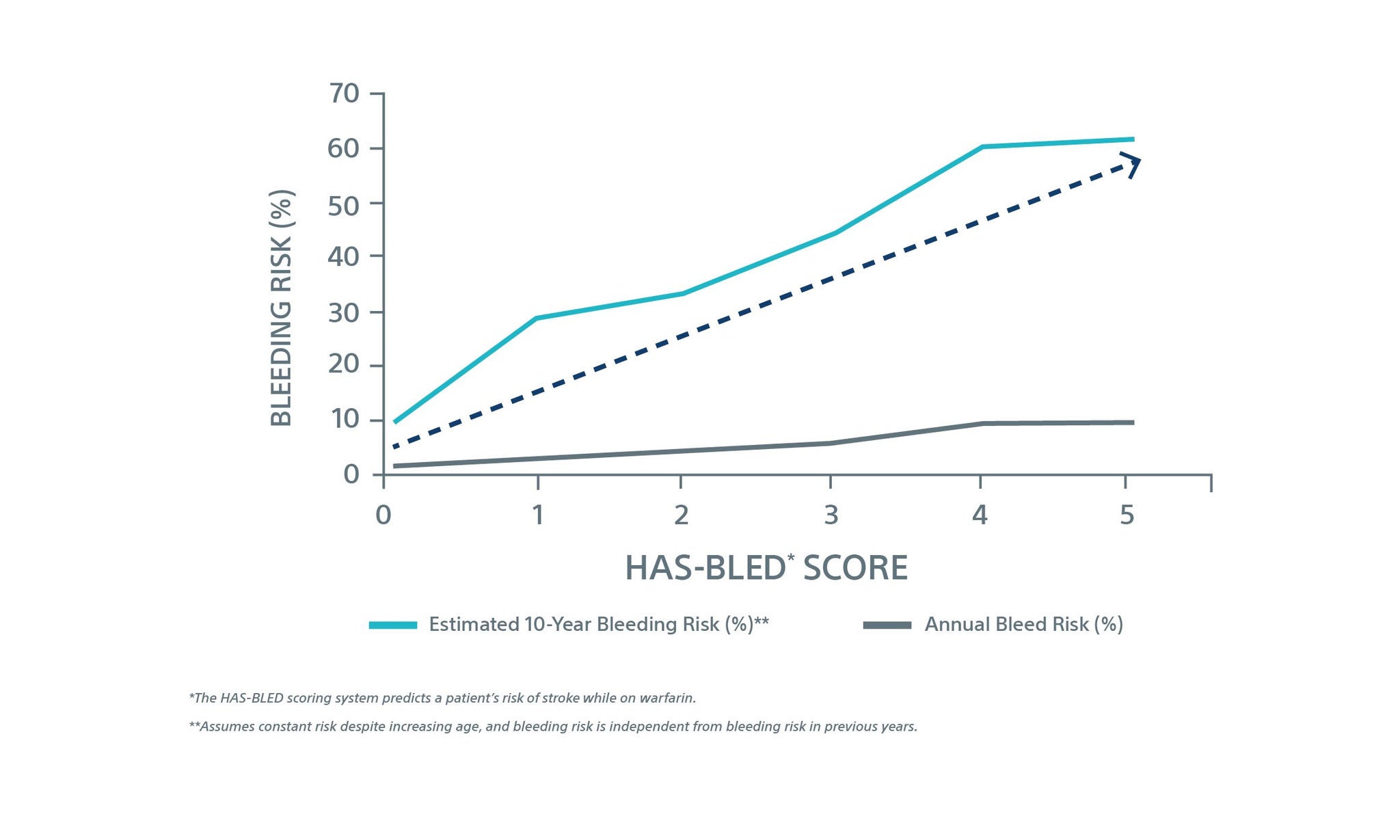
HAS-BLED* SCORE

Major Bleeding

The CHAMPION‑AF clinical trial seeks to demonstrate WATCHMAN FLXTM is a first‑line stroke risk reduction therapy for most NVAF patients.

With this trial, Boston Scientific expands its LAAC leadership with unmatched clinical evidence intended to demonstrate WATCHMAN FLXTM is the optimal choice versus NOAC for lifelong stroke risk reduction.


Why LAA Closure?

With ~40% of oral anticoagulant (OAC) indicated patients left unprotected from stroke due to dissatisfaction and non-adherence with OACs, CHAMPION‑AF seeks to show WATCHMAN FLXTM as a first‑line option for stroke risk-reduction in most NVAF patients.7

Over 600.000 patients have already been successfully treated with WATCHMANTM LAAC technology.


Why CHAMPION-AF?

Why Champion-AF

CHAMPION-AF is the largest left atrial appendage closure (LAAC) device trial that evaluates WATCHMAN FLX vs. NOAC as a first-line stroke risk reduction option for most NVAF patients.


  1. Colilla S, Crow A, Petkun W, Singer DE, Simon T, Liu X. Estimates of current and future incidence and prevalence of atrial fibrillation in the u.S. Adult population. The American journal of cardiology. 2013;112:1142-1147.
  2. Fuster V, Ryden LE, Cannom DS, Crijns HJ, Curtis AB, Ellenbogen KA, et al. Acc/aha/esc 2006 guidelines for the management of patients with atrial fibrillation—executive summary: A report of the american college of cardiology/american heart association task force on practice guidelines and the european society of cardiology committee for practice guidelines (writing committee to revise the 2001 guidelines for the management of patients with atrial fibrillation). J Am Coll Cardiol. 2006;48:854-906.
  3. Patel, M. NEJM 2011; 365(10): 883-891.
  4. Granger, C. NEJM 2011; 365(11): 981-992.
  5. Connolly, S. NEJM 2009; 361(12): 1139-1151.
  6. Giugliano, R. NEJM 2013; 369(22): 2093-2104.
  7. Marzec, et al. JACC 2017: 69(20): 2475-2484.

CAUTION:

The law restricts these devices to sale by or on the order of a physician. Indications, contraindications, warnings, and instructions for use can be found in the product labelling supplied with each device or at www.IFU-BSCI.com. Products shown for INFORMATION purposes only and may not be approved or for sale in certain countries. This material not intended for use in France.