The importance of collaboration in liver cancer care

THERASPHERETM Y-90 THERAPY

The Power of TheraSphereTM in Liver Cancer Treatment

Could one SIRT therapy combine the highest activity, precision targeting, and durable tumour control?

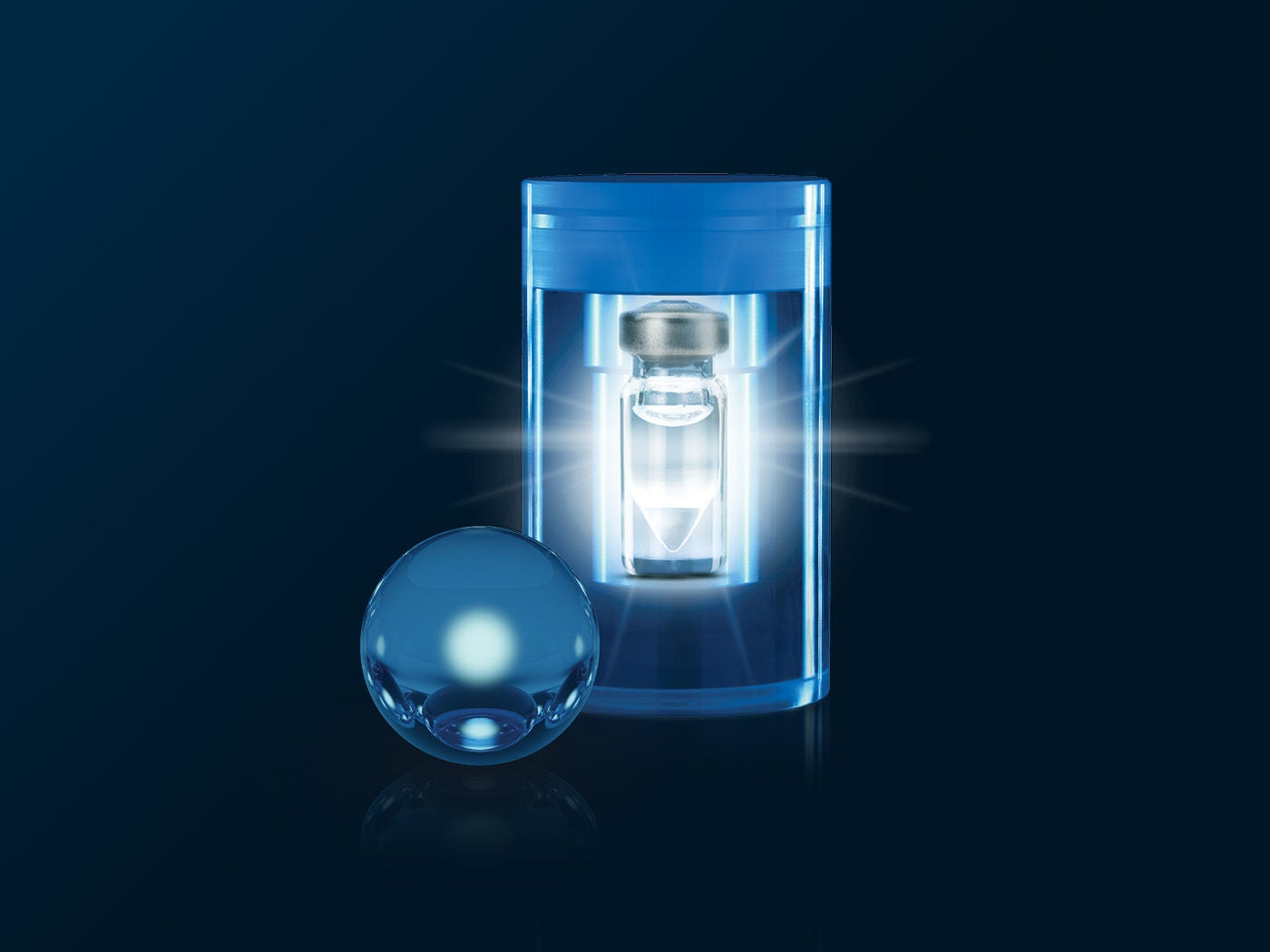
therasphere-product-image

TheraSphere™ Y-90 Therapy

Powerful and advanced Selective Internal Radiation Therapy (SIRT), designed to deliver high activity, precision targeting and durable tumour control in the treatment of hepatic malignancies.1-3


hotter

Hotter

Offering the highest RPM at calibration
(~4,000 Bq/sphere)
 

hotter

Selective

Optimal sphere count fully occupies clusters while minimising normal tissue exposure


hotter

Safe

Low rate of toxicity even at higher doses while sparing more normal tissue

hotter

Effective

Imaging response and pathologic response (CPN) consistently proven to be durable and reproducible

Why does RPM matter?

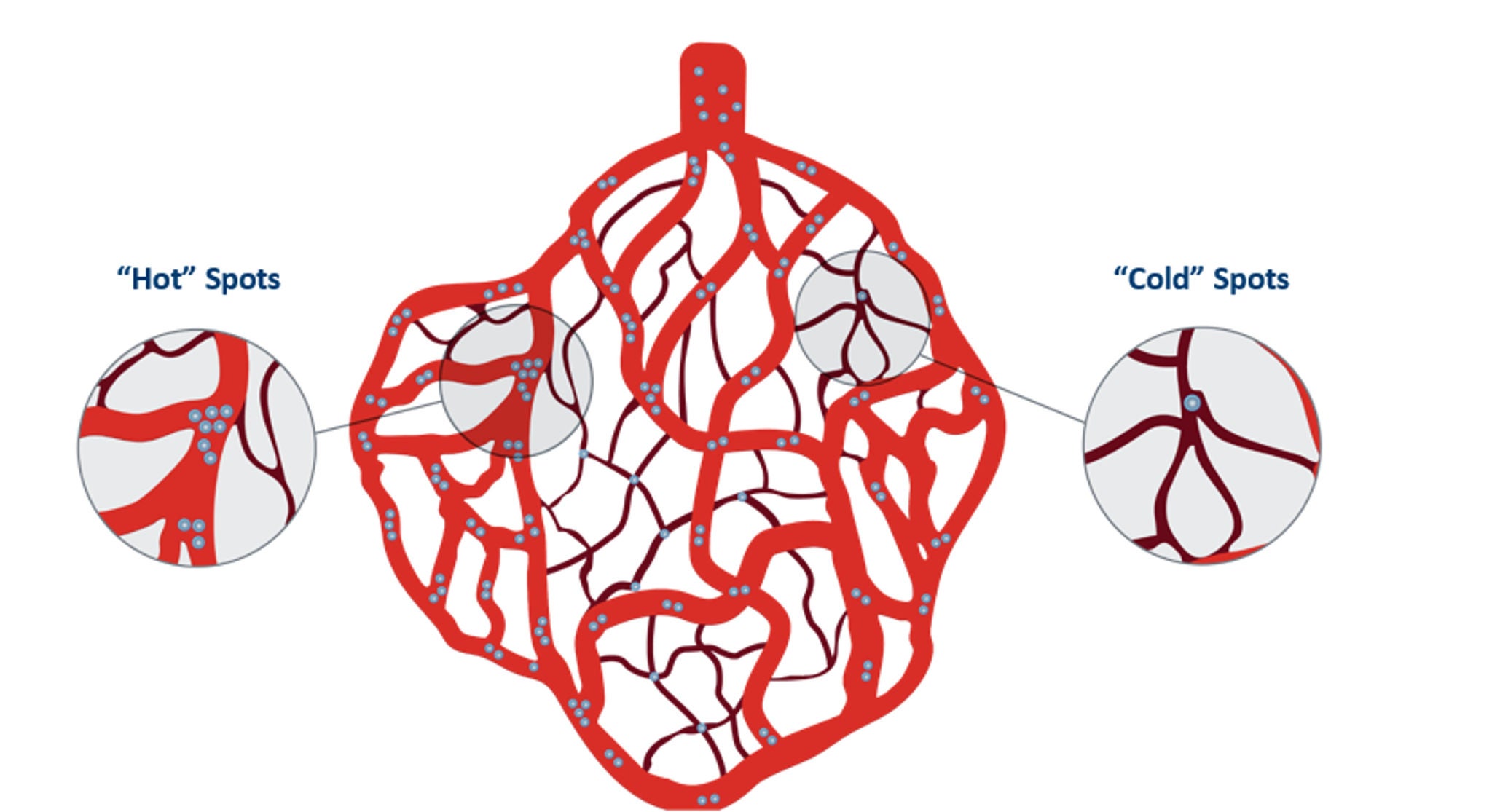
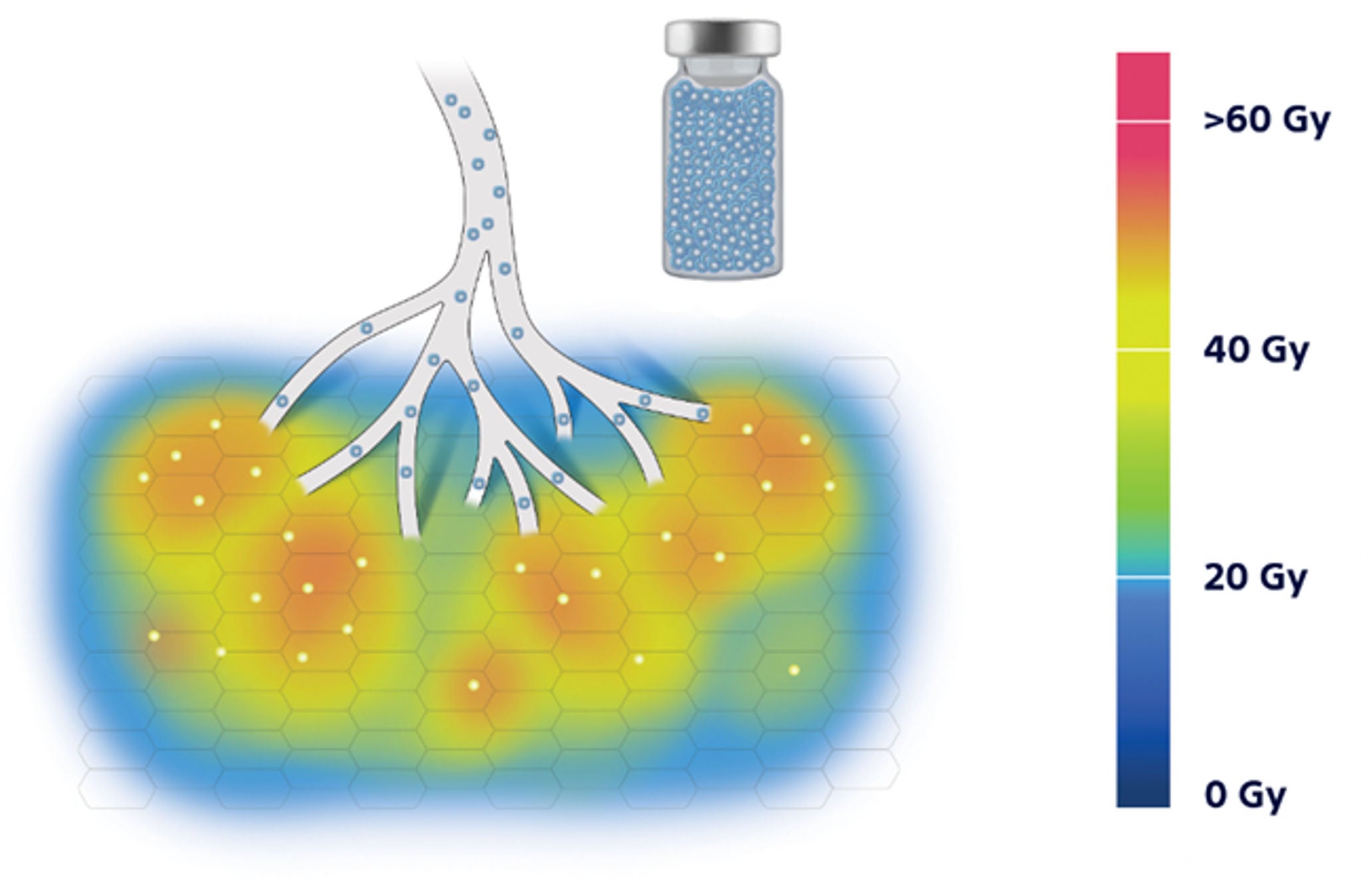
HCC tumours are hypervascular with tortuous, irregular vessels that become increasingly complex as they grow. Adding more microspheres will result in mega cluster formation, leaving areas where few spheres penetrate - known as cold spots - leading to uneven dose distribution and a lower Tumour-to-Normal (T:N) ratio, thereby increasing radiation to healthy tissue.


HCC tumours have a complex and heterogenous blood supply, so microspheres distribute unevenly or in clusters

With its high Radiation per Microsphere (RPM), TheraSphere™ delivers fewer but more active spheres that effectively reach cold spots, achieving a uniform and targeted dose within the tumour while minimising radiation to healthy liver parenchyma. In this way, fewer spheres mean less irradiation of normal tissue and better preservation of the future liver remnant (FLR). This also leads to:

  • Higher tumour-to-normal tissue uptake ratios (TNR)5
  • More selective tumour targeting3,4
  • Greater preserving of healthy liver parenchyma3,4,5

Additionally, Radiation per Microsphere (RPM) is an independent predictor of Complete Pathologic Necrosis (CPN), reinforcing its clinical significance in effective tumour response.6,7

Why not just add more spheres?

Higher RPM ensures a more reliable and consistent dose throughout the tumour, thereby improving the chances of achieving complete pathological necrosis (CPN). This approach is easier to implement and offers a more predictable outcome compared to increasing sphere concentration.

How does TheraSphereTM work?

TheraSphereTM Y-90 Therapy is most effective when maximising the dose throughout the tumour. Discover the mechanism of action.

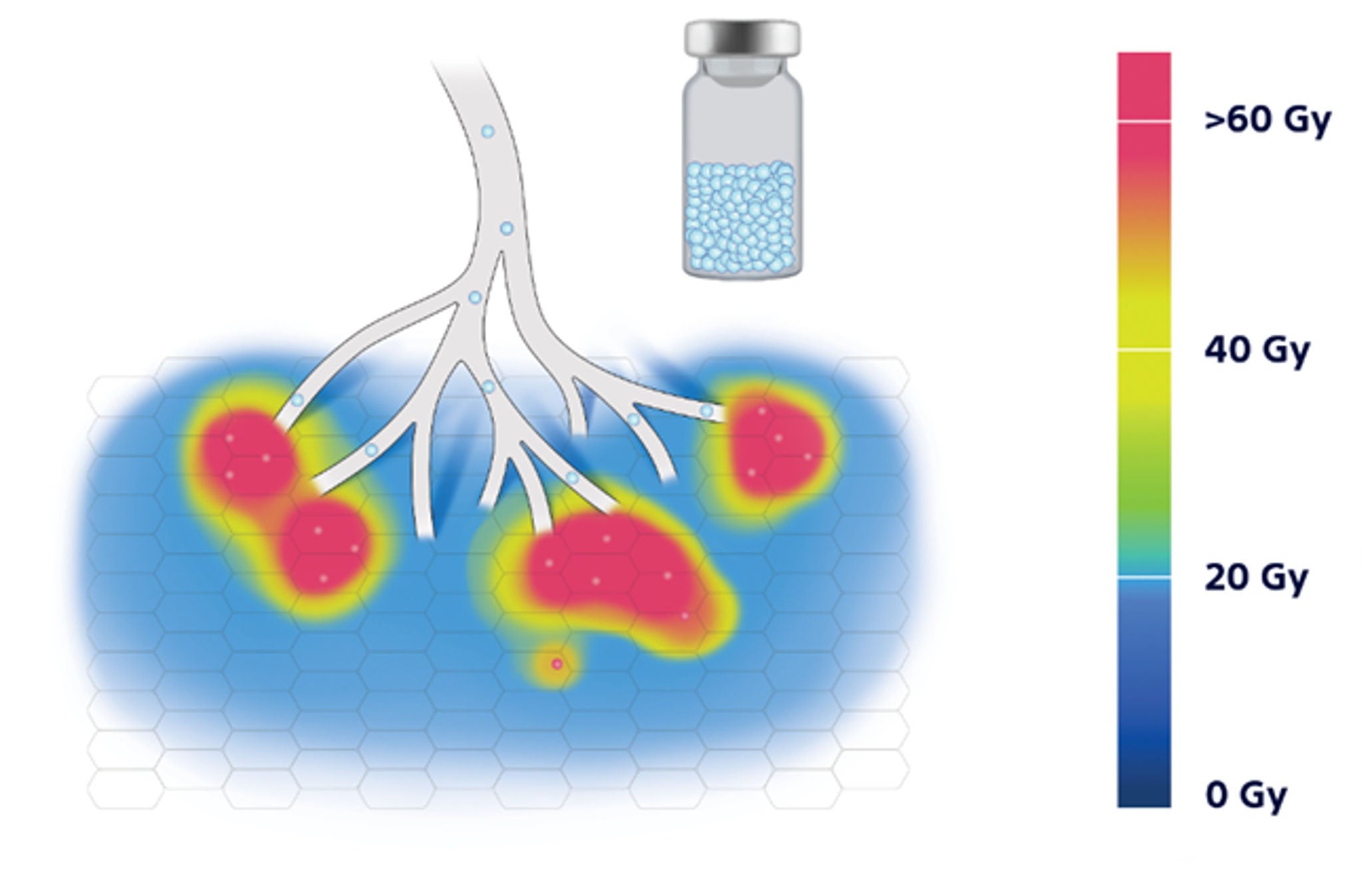
Doses comprised of fewer spheres and higher RPM spare more normal tissue

Pre-clinical study using TheraSphereTM Y-90 Glass Microspheres confirmed treatments at or before 8 days post calibration decreases normal liver toxicity.8

Higher RPM and fewer spheres results in more healthy tissue spared

4 days post calibration

Higher RPM and fewer spheres results in more healthy tissue spared

Lower RPM and more spheres results in more healthy tissue exposed

12 days post calibration

Lower RPM and more spheres results in more healthy tissue exposed

Clinically proven correlation between tumour dose and response

Numerous studies have contributed to prove the relationship between Median Absorbed Dose and Objective Response Rate. Derived from these clinical results, we can also highlight the importance of treating with a high RPM, which directly translates into a higher dose and, therefore, a more effective treatment overall.

Filename
absorbed-dose-response-relationship-with-therasphere.pdf
Size
209 KB
Format
application/pdf
Download clinical insight on Absorbed Dose - Response

Power tailored to the patient: using RPM to drive dose

Landmark TheraSphereTM studies like DOSISPHERE-01, RASER, LEGACY and TARGET take advantage of high RPM to drive dose. TheraSphereTM also supports Personalised Dosimetry (PD) - a tailored approach that adjusts dose based on each patient’s anatomy and tumour characteristics. In the DOSISPHERE-01 trial, PD significantly improved survival versus standard dosimetry (SD)9 :


26.6 months median OS with PD
(p = 0.0096)
 

vs


10.7 months median OS with SD
(p = 0.0096)


1. TheraSphere Yttrium-90 Glass Microspheres – Instructions for Use – Rev 9.0.

2. Salem R, Thurston KG. Radioembolization with 90Yttrium microspheres: a state-of-the-art brachytherapy treatment for primary and secondary liver malignancies. Part 1: Technical and methodologic considerations. J Vasc Interv Radiol. 2006;17:1251–78.

3. Pellerin O, Lin M, Bhagat N, et al. Can C-arm cone-beam CT detect a micro-embolic effect after TheraSphere radioembolization of neuroendocrine and carcinoid liver metastasis? Cancer Biother Radiopharm. 2013;28(6):459–65.

4. Atassi B, Bangash AK, Bahrani A, et al. Multimodality imaging following 90Y radioembolization: A comprehensive review and pictorial essay. Radiographics. 2008;28(1):81–99.

5. Young S., Chen T, Flanagan S, et al. Realized tumor to normal ratios in hepatocellular carcinoma patients undergoing transarterial radioembolization: A retrospective evaluation. Eur Radiol. 2022;32:4160-7.

6. Toskich B, Vidal LL, Olson MT, et al. Pathologic Response of Hepatocellular Carcinoma Treated with Yttrium-90 Glass Microsphere Radiation Segmentectomy Prior to Liver Transplantation: A Validation Study. J Vasc Interv Radiol. 2021;32(4):518-526.e1.

7. Montazeri SA, De la Garza-Ramos C, Lewis AR, et al. Hepatocellular carcinoma radiation segmentectomy treatment intensification prior to liver transplantation increases rates of complete pathologic necrosis: an explant analysis of 75 tumors. Eur J Nucl Med Mol Imaging. 2022;49(11):3892-3897.

8. Pasciak, A. S., Abiola, G., Liddell, R. P., Crookston, N., Besharati, S., Donahue, D., Thompson, R. E., Frey, E., Anders, R. A., Dreher, M. R., & Weiss, C. R. (2019). The number of microspheres in Y90 radioembolization directly affects normal tissue radiation exposure. European Journal of Nuclear Medicine and Molecular Imaging, 47(4), 816–827. https://doi.org/10.1007/s00259-019-04588-x.

9. Garin E, Tselikas L, Guiu B, et al. Personalised versus standard dosimetry approach of selective internal radiation therapy in patients with locally advanced hepatocellular carcinoma (DOSISPHERE-01): A randomised, multicentre, open-label phase 2 trial. Lancet Gastroenterol Hepatol. 2021;6(1):17-29.


Caution:
The law restricts these devices to sale by or on the order of a physician. Indications, contraindications, warnings, and instructions for use can be found in the product labelling supplied with each device or at www.IFU-BSCI.com. Products shown for INFORMATION purposes only and may not be approved or for sale in certain countries. This material not intended for use in France.