











Expanding Treatment Options with Minimally-Invasive Cryoablation
2.4 million
New breast cancer cases worldwide in 20241
#1
Most commonly diagnosed cancer among women worldwide1
Breast cancer is the most commonly diagnosed cancer among women worldwide, with approximately 2.4 million new cases in 20241. As the global burden grows, individualised treatment strategies that consider both oncologic outcomes and patient needs remain essential.
Cryoablation offers a minimally invasive, image-guided approach to local breast cancer treatment, providing a non-surgical, outpatient, breast-preserving option for appropriately selected patients. Supported by a growing body of evidence, cryoablation can be incorporated into early-stage breast cancer treatment de-escalation strategies.
Cryoablation can be incorporated into multidisciplinary breast cancer management as a non-surgical local treatment approach, either independently of surgical excision or alongside other therapies.
Common Breast Cancer Treatment Approaches2:
Local
- Surgery
- Radiotherapy
- Cryoablation
Systemic
- Endocrine therapy
- Chemotherapy
- Immunotherapy
- Targeted Therapy
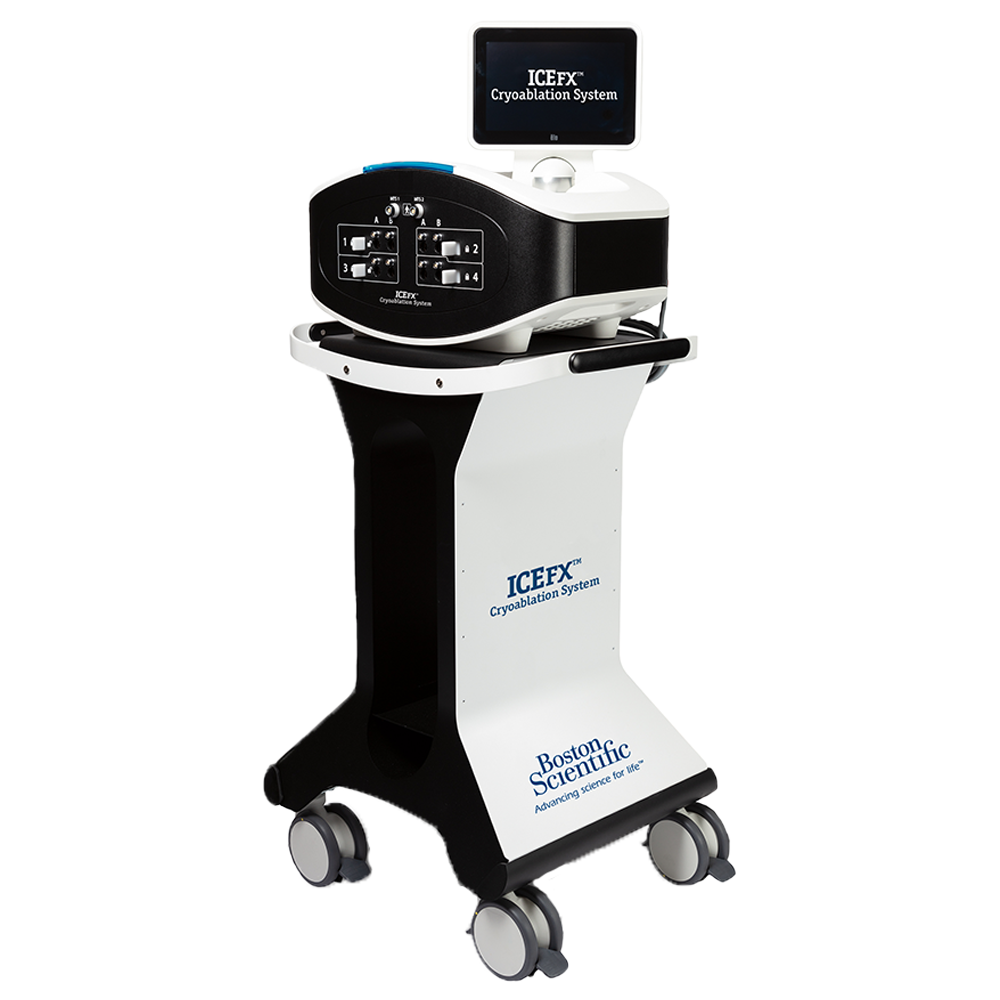
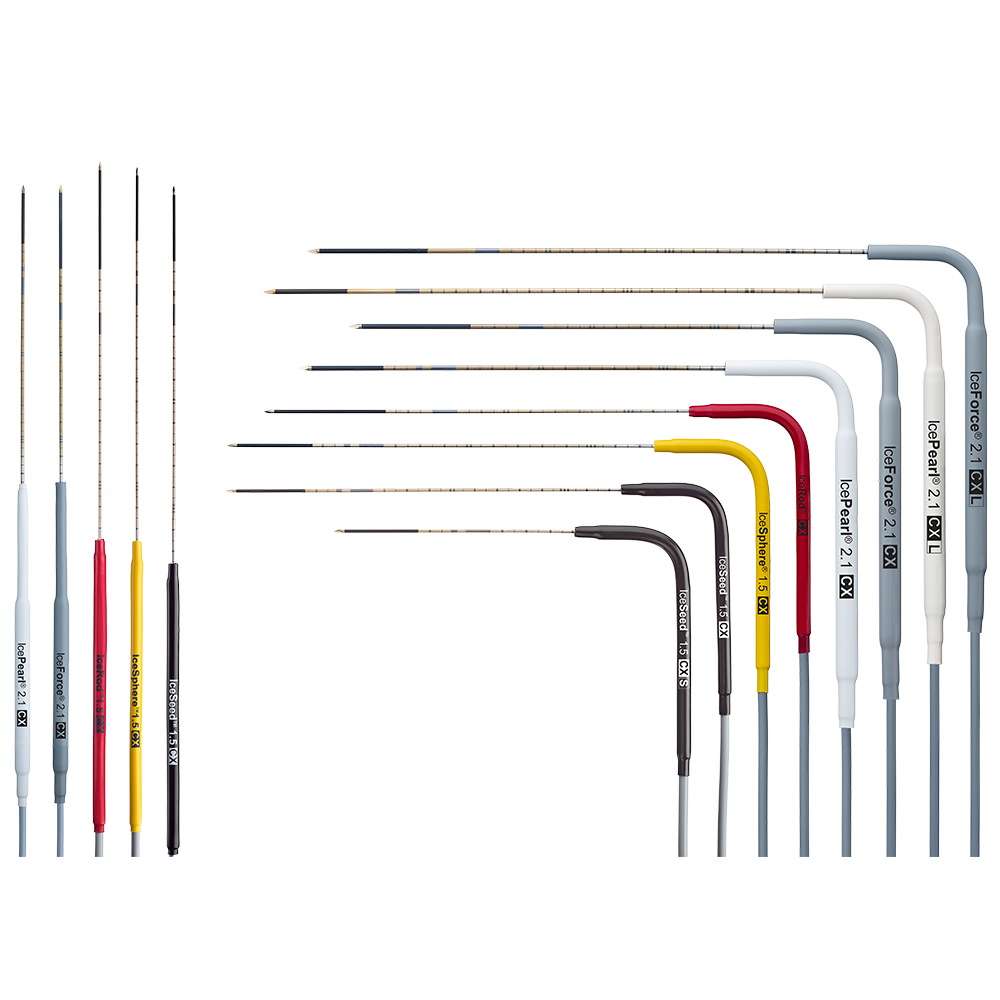
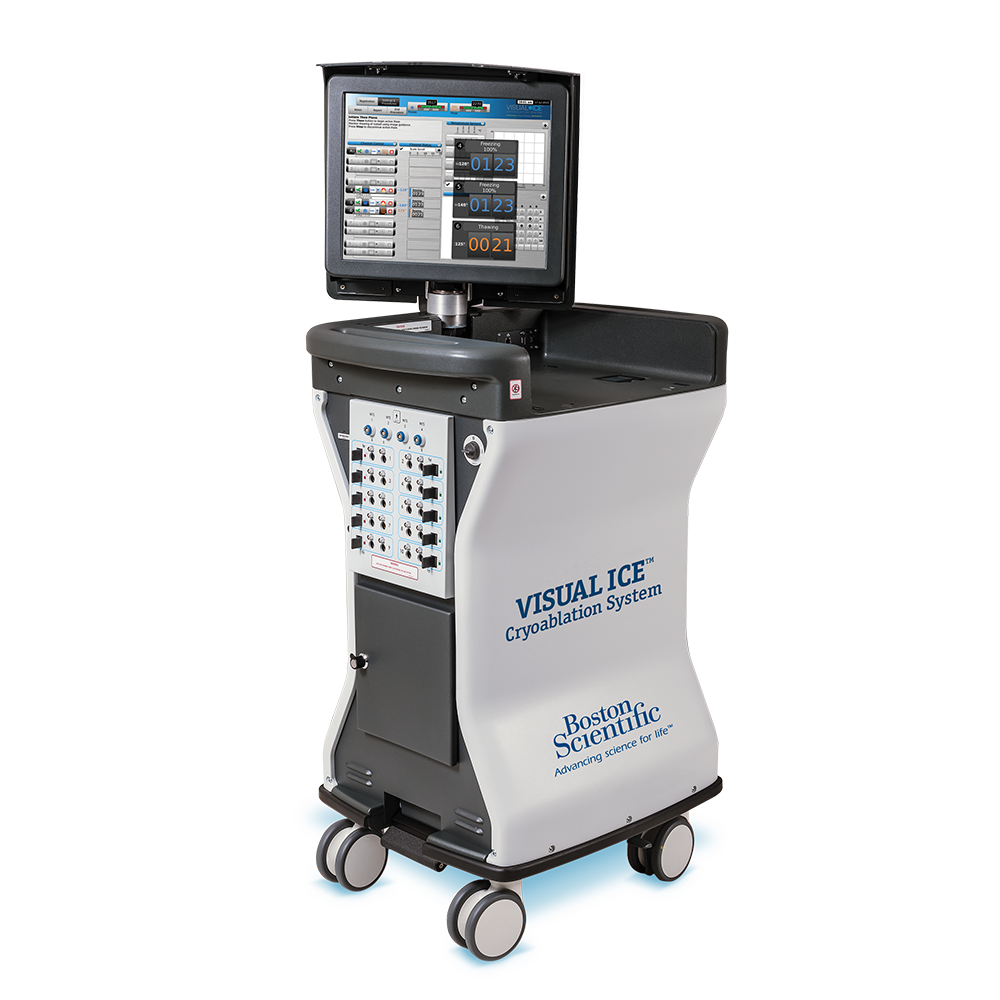
Cryoablation is a minimally invasive, image-guided technique that uses extreme cold to destroy targeted breast tumour tissue. Under ultrasound guidance, a cryoablation needle creates an ice ball that encompasses the intended treatment area while preserving surrounding healthy tissue.
Key Benefits of Cryoablation for Breast Cancer:


Which Patients May be Considered for Breast Cryoablation?
Cryoablation offers a minimally invasive local treatment approach for appropriately selected patients with early-stage breast cancer. Published clinical evidence has demonstrated encouraging outcomes, particularly in patients with small, hormone receptor-positive/HER2-negative tumours and clinically node-negative disease4,8.
Typical patient and tumour characteristics may include:
Tumour size: Typically ≤2 cm (T1), with selected larger T2 tumours also reported in clinical studies4,8.
Tumour biology: HR-positive/HER2-negative, predominantly low- to intermediate-grade invasive ductal carcinoma8.
Imaging: Biopsy-confirmed, ultrasound-visible tumour4,8.
Disease extent: Typically unifocal disease without extensive intraductal involvement; clinically node-negative (cN0)4,8.
Patient factors: Often older patients or those with comorbidities, with individualised multidisciplinary assessment4.
What Does the Clinical Evidence Show about Breast Cryoablation?
Prospective clinical trials, observational studies and systematic reviews have reported encouraging outcomes related to complete tumour ablation, local tumour control, recurrence, safety, and survival.
Can Cryoablation Achieve Complete Tumour Ablation?
FROST Clinical Trial8
Holmes et al., 2026
Design: Prospective, multicentre phase II study of 83 patients, median 6.1-year follow-up.
Patient & Tumour Characteristics: Women ≥50 years; stage I (≤2 cm), HR+/HER2− invasive ductal carcinoma; median tumour size 9 mm.
100%
Complete ablation of biopsied patients
97.6%
invasive recurrence-free survival
What are the Medium-Term Outcomes of Non-Surgical Breast Cryoablation?
La Paz Study4
Oliver Goldaracena et al., 2026
Design: Real-world, retrospective, single-centre study of 113 women, median 25.3-month follow-up.
Patient & Tumour Characteristics: Clinically diverse elderly and comorbid population, T1–2N0, ER+/HER2−; median tumour size 17 mm, including 34% T2 tumours and 13% invasive lobular carcinoma.
98.2%
Primary local control
97.0%
3-year recurrence-free
0
Major adverse events
How Does Cryoablation Perform Compared With Other Thermal Ablation Techniques?
THERMAC9
Wooldrik et al., 2025
Design: Multicentre, open-label, randomised phase II trial comparing cryoablation, microwave ablation (MWA) and radiofrequency ablation (RFA), followed by surgical excision for pathological assessment.
Patient & Tumour Characteristics: 41 postmenopausal patients* with clinical T1N0M0 breast cancer; unifocal, ultrasound-visible tumours ≤2 cm; Grade 1–2 disease.
Figures:
Pathological Complete Response
94.4%
Cryoablation
72.2%
MWA
20.0%
RFA
Procedural Safety: Skin Burns
0%
Cryoablation
33.3%
MWA
*Phase II treat-and-resect study. Cryoablation: n=18; MWA: n=18; RFA: n=5. RFA arm discontinued early after meeting a predefined stopping criterion.
What Do Larger Systematic Reviews Show?
Tan et al., 202510
Design: Systematic review & meta-analysis of 750 patients from 12 studies.
Patient & Tumour Characteristics: Early-stage breast cancer ≤20 mm; studies included cryoablation alone or cryoablation followed by surgical excision.
1.1%
Pooled local recurrence
(cryoablation without surgery)
8.2%
Pooled residual tumour
(cryoablation followed by surgery)
Explore our Cryoablation solution
Breast Cancer Cryoablation Resources
La Paz Study Publication Summary: Key findings on cryoablation as a non-surgical de-escalation strategy.
Watch our On-Demand Expert Session: Cryoablation in Early-Stage Breast Cancer: A multidisciplinary guide for referrers & treaters.
Breast Cryoablation Patient Resources: Educational information for patients.
Connect With Experienced Cryoablation Centres: Explore referral and physician learning opportunities.


References:
1. Sung H, Filho AM, Laversanne M, Ferlay J, Siegel RL, Soerjomataram I, Jemal A, Bray F. Global cancer statistics 2024: GLOBOCAN estimates of incidence and mortality worldwide for 34 cancers in 186 countries. CA Cancer J Clin. 2026;76(4). doi:10.3322/caac.70090.
2. National Cancer Institute. Breast cancer treatment. National Cancer Institute. Accessed October 21, 2026. https://www.cancer.gov/types/breast/breast-treatment.
3. Giyanani SJ, Bonanno ME, Tang D, Ward RC. Imaging in interventional radiology: breast cryoablation. Semin Intervent Radiol. 2025;42(1):101–113. doi:10.1055/s-0045-1806738.
4. Oliver Goldaracena JM, Córdoba Chicote V, Roca Navarro MJ, et al. Medium-term outcomes of cryoablation for nonoperative management of clinical T1–2N0 ER-positive/HER2-negative breast cancer in elderly or comorbid women. J Vasc Interv Radiol. 2026. doi:10.1016/j.jvir.2026.109061.
5. Pusceddu C, Paliogiannis P, Nigri G, Fancellu A. Cryoablation in the management of breast cancer: evidence to date. Breast Cancer (Dove Med Press). 2019;11:283–292. doi:10.2147/BCTT.S197406.
6. Kawamoto H, Tsugawa K, Furuya Y, et al. Percutaneous ultrasound-guided cryoablation for early-stage primary breast cancer: a follow-up study in Japan. Breast Cancer. 2024;31:695–704. doi:10.1007/s12282-024-01584-4.
7. Matsumoto K, et al. Post-treatment patient satisfaction in early-stage breast cancer: comparison of cryoablation versus breast conservation therapy using BREAST-Q. Gland Surg. 2025. doi:10.21037/gs-24-394.
8. Holmes DR, Manoian S, Rahman RL, et al. Cryoablation: A minimally invasive alternative for early-stage breast cancer: 6-year outcomes of the FROST clinical trial. Ann Surg Oncol. 2026;33(4):3374–3382. doi:10.1245/s10434-025-18991-2.
9. Wooldrik SM, van de Voort EMF, Struik GM, et al. Percutaneous thermal ablation for early-stage breast cancer: an open-label, randomized, phase II trial to select the preferred technique for evaluating thermal ablation as a surgical alternative. Radiology. 2025;316(2):e243386. doi:10.1148/radiol.243386.
10.Tan E, Chong J, Pua U, et al. Local recurrence and residual tumor rates following cryoablation for small early-stage breast cancers: systematic review and meta-analysis. Breast Cancer. 2025;32:69–78. doi:10.1007/s12282-024-01643-w.
Caution:
The law restricts these devices to sale by or on the order of a physician. Indications, contraindications, warnings, and instructions for use can be found in the product labelling supplied with each device or at www.IFU-BSCI.com. Products shown for INFORMATION purposes only and may not be approved or for sale in certain countries. This material not intended for use in France.