










Expanding Treatment Options with Image-Guided Percutaneous Cryoablation
Renal cell carcinoma (RCC) accounts for over 90% of kidney cancers1 and represents a major indication for image-guided, minimally invasive treatment approaches such as percutaneous cryoablation. Often used for early-stage tumours, cryoablation is supported by evidence demonstrating comparable oncologic outcomes to partial nephrectomy, with fewer complications and preservation of renal function. The technique also enables real-time visualisation of the ablation zone during treatment.
What are the Treatment Options RCC?
RCC can be managed through a range of therapeutic strategies, depending on tumour stage, patient characteristics and multidisciplinary clinical decision-making. Common treatments for RCC include 2,3
Conservative management:
- Active surveillance
Local treatments:
- Surgery (partial nephrectomy)
- Radiation therapy
- Radiofrequency ablation (RFA)
- Cryoablation
Systemic treatments:
- Targeted drug therapy
- Immunotherapy
- Chemotherapy
Where does Percutaneous Cryoablation fit in RCC management?
According to major international guidelines (EAU, NCCN, AUA, CIRSE, NICE), percutaneous cryoablation is an established treatment option for small renal masses (SRMs) for appropriately selected patients, with the EAU noting success rates >95%, for stage 1a and 1b tumours.4-6
>95%
success rates for stage 1a and 1b tumours.4-6
Percutaneous cryoablation is typically considered for the following clinical scenarios:
- Tumours ≤4 cm (T1a) and selected T1b cases
- Patients unfit for surgery or with comorbidities
- Patients requiring nephron preservation (e.g., solitary kidney)
- Preference or need for a minimally invasive alternative
This positions percutaneous cryoablation as a complementary, guideline-supported option within the RCC treatment pathway, alongside surgery and active surveillance.
Why Cryoablation for Renal Cell Carcinoma (RCC)?
Cryoablation uses controlled freezing to destroy tumour tissue, enabling precise, image-guided treatment of RCC, and is increasingly recognised in clinical practice as an effective option for appropriately selected patients.
Key procedural and clinical advantages of cryoablation include:
- Real-time visualisation of the ice ball for precise margin control
- Minimally invasive approach – often performed as an outpatient procedure – with reduced procedural burden
- Preservation of renal function through nephron-sparing treatment
- Favorable safety profile with low complication rates
- Can be performed under local anesthesia conscious sedation
- Demonstrated clinical efficacy with durable local tumour control
Patient perspective: Recovery and Quality of Life after Cryoablation
For patients diagnosed with RCC, treatment decisions extend beyond clinical outcomes to include recovery time, quality of life, and return to daily activities.
David’s Story
After being diagnosed with kidney cancer, David was offered cryoablation as a minimally invasive treatment option.
The procedure was performed using image guidance, without the need for major surgery. Following treatment, David experienced a rapid recovery, allowing him to return quickly to his normal routine.
What this means for patients
- Minimally invasive treatment with reduced recovery time
- Short hospital stay (often same or next day discharge)
- Faster recovery time and return to normal activities compared to surgery
- Preservation of Quality of Life
Clinical Evidence Supporting Cryoablation in RCC: The EuRECA Registry
A joint mission between Urologists and Interventional Radiologists
Largest real-world, prospective, multicenter, multidisciplinary study
on the use of cryoablation for treatment of RCC in 1700+ patients7

1700+ RCC patients,
1400+ biopsy-confirmed

14 sites across
5 European countries

Studying disease-free recurrence, overall survival, and more
Data from the EuRECA registry demonstrates cryoablation is a safe and effective RCC treatment with durable long-term oncologic outcomes.
Primary technical efficacy8
97.9%
T1a tumours
94.1%
T1b tumours
CT-guided, biopsy-proven T1a9
1.6%
96.1%
Low major complication rate
5-year local recurrence-free survival
Renal function preserved, including in patients with solitary kidney10,11
Learn more about the EuRECA Registry
The role of Interventional Radiology in RCC Cryoablation
Image-guided percutaneous cryoablation is typically performed by interventional radiologists, enabling:
- High procedural precision
- Treatment of complex or centrally located tumours
- Reduced need for invasive surgery
- Integration into outpatient or short-stay workflows
This reinforces the role of interventional radiology as a key contributor in the management of small renal masses, alongside urology and oncology.
Cryoablation Under Local Anesthesia and Conscious Sedation (LACS)
Percutaneous cryoablation for RCC can be performed under local anesthesia with conscious sedation (LACS), offering an alternative to general anesthesia in selected patients.

Key advantages of LACS compared to general anesthesia:
- Comparable safety and efficacy13
- Shorter hospital stays to 1 day14 – often even same-day15
- Lower costs without compromising outcomes16
- Reduced procedure time17:
126 minutes of procedure time
with LACS
VS
156 minutes of procedure time
with General anesthesia
Cryoablation vs. Partial Nephrectomy in RCC
Percutaneous cryoablation is a minimally invasive treatment option for appropriately selected RCC patients, with clinical studies supporting its role alongside partial nephrectomy4,5.
Oncologic outcomes of image guided renal cryoablation for RCC are competitive with those of partial nephrectomy and are associated with a low complication rate.
Breen DJ et al. 201818
Percutaneous cryoablation was associated with a high disease-specific survival (94%) and better overall survival compared with partial or radical nephrectomy.
Morkos J. et al. 2020⁵
Reported differences compared to partial nephrectomy in selected studies include:
- Favorable long-term survival outcomes5
- Superior renal function preservation19
- Shorter procedure times 5,13,15
- Shorter hospital stay (1 day vs. 4-5 days) 13,18,20
- Faster recovery time & return to normal activities 5,13
- Lower post-op major complication rate 9,21 :
1.6%
Cryoablation post-op major complication rate9
3.6%
Partial Nephrectomy post-op major complication rate21
Cryoablation vs. Heat-based ablation (RFA & MWA)
Cryoablation and heat-based ablation – radiofrequency ablation (RFA) and microwave ablation (MWA) – are all established nephron-sparing therapies for RCC. However, they differ meaningfully in mechanism, visualisation, and clinical behavior.
| Cryoablation | RFA/ MWA |
Mechanism | Controlled freezing | Thermal injury (heating) |
Visualisation | Real-time (ice ball visible) | Indirect margin assessment |
Precision/control | High and predictable | Variable; less predictable near critical structures22 |
Procedural pain | Lower18,23,24 | Higher |
Local control ( T1a RCC) | ~95-98%18,23,24 | ~90-95%18,25 |
Real-time ablation monitoring | Visible ice-ball margin | Indirect thermal zone assessment (impedance, echogenicity, time/power) |
What are the benefits of Cryoablation for RCC?
Clinical outcomes in RCC treatment18-20,26
- High local tumour control (>95% in T1a tumours)9
- Favorable oncologic outcomes in appropriately selected patients
- Durable long-term results5
Patient experience and recovery
- Minimally invasive procedure, often in outpatient setting
- Fast recovery and return to normal activities
- Reduced post-procedural pain compared to heat-based ablation modalities23, 24, 27
Healthcare system efficiency
- Shorter hospital stay vs. surgery (often 1 day or same-day discharge)13,18,20
- Lower complication rates vs. surgery13,19,26
- Cost-effective without compromising outcomes19
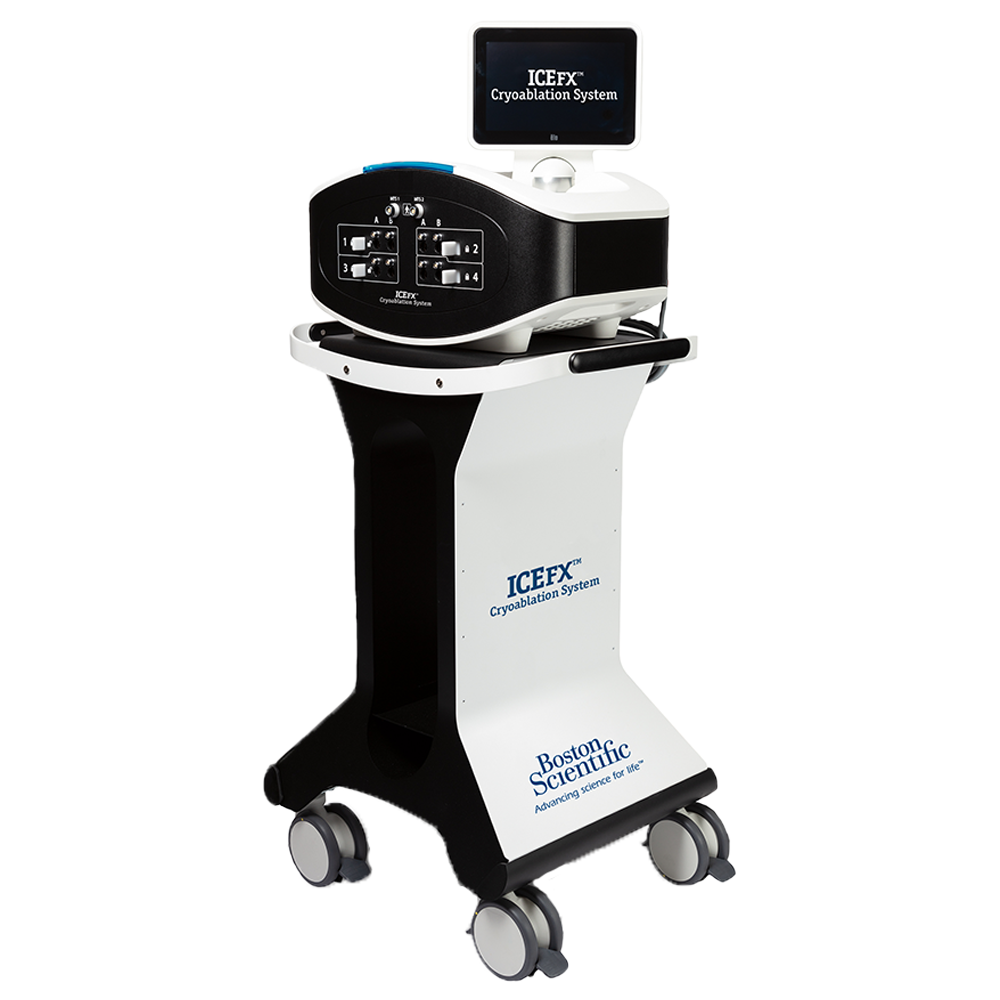
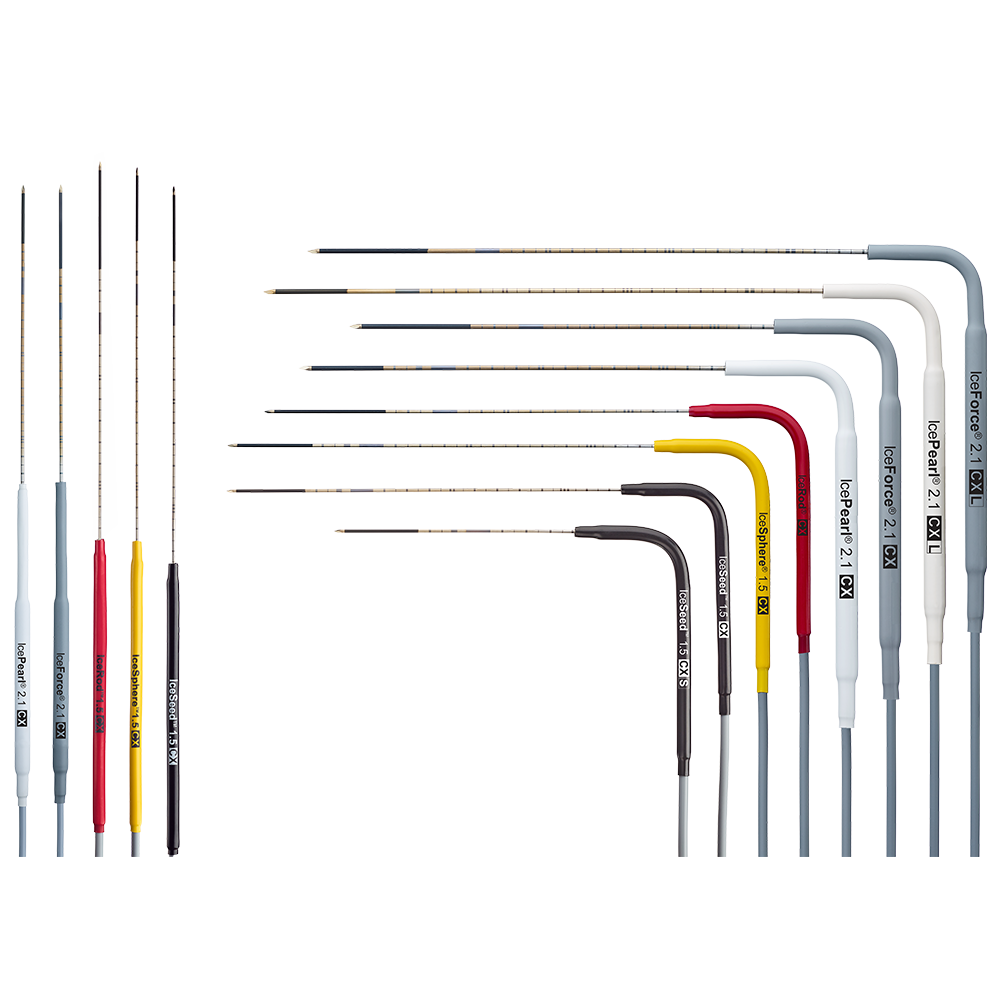
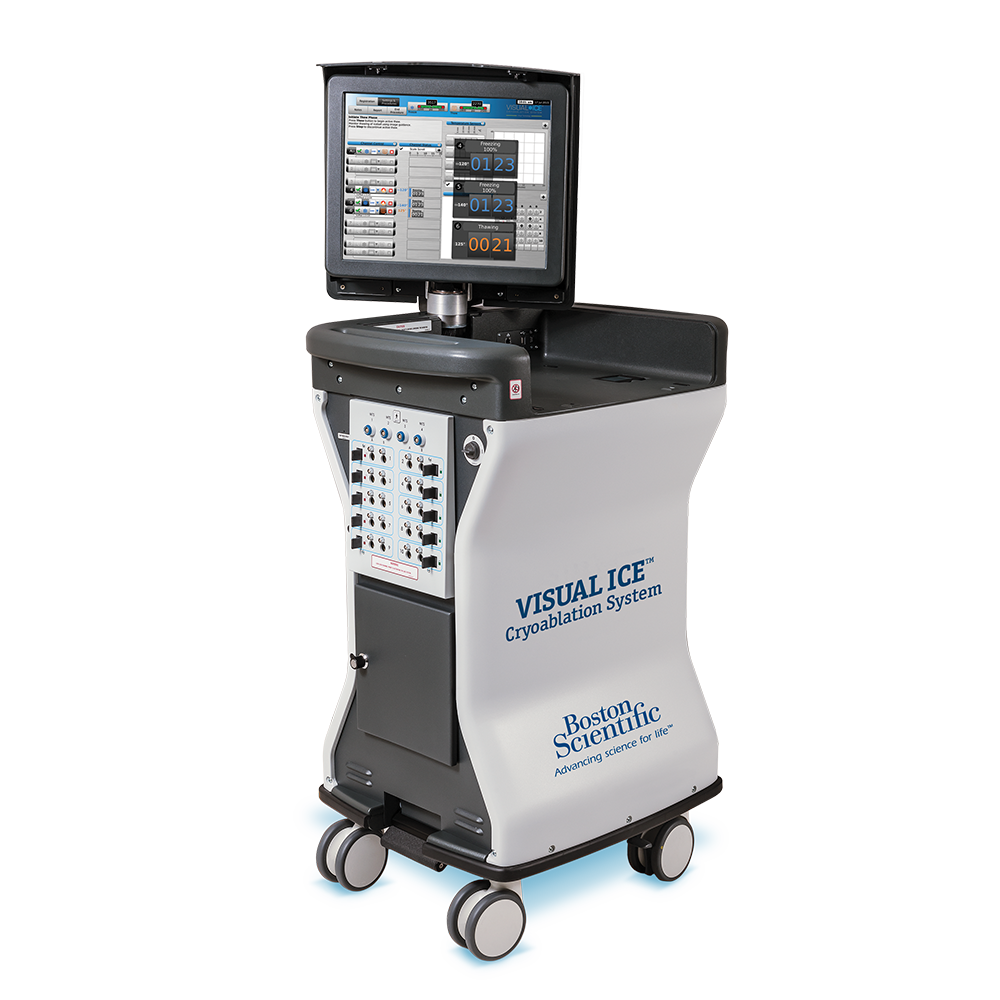
Explore our Cryoablation solutions
RCC Cryoablation Resources


References:
Sung, WW., Ko, PY., Chen, WJ. et al. Trends in the kidney cancer mortality-to-incidence ratios according to health care expenditures of 56 countries. Sci Rep 11, 1479 (2021). https://doi.org/10.1038/s41598-020-79367-y
Kidney Cancer Treatment. Cancer.org. https://www.cancer.org/cancer/kidney-cancer/treating.html
Gray RE, Harrys GT. Renal Cell Carcinoma: Diagnosis and Management. Am Fam Physician. 2019 Feb 1;99(3):179-184. https://www.aafp.org/afp/2019/0201/p179.html#afp20190201p179-b23
Ljungberg B, Albiges L, Bedke J, et al. (2021). European Association of Urology Guidelines on Renal Cell Carcinoma 2021. https://www.researchgate.net/publication/350621384_European_Association_of_Urology_Guidelines_on_Renal_Cell_Carcinoma_2021
Morkos J, Porosnicu Rodriguez KA, Zhou A, et al. Percutaneous Cryoablation for Stage 1 Renal Cell Carcinoma: Outcomes from a 10-year Prospective Study and Comparison with Matched Cohorts from the National Cancer Database. Radiology 2020; 296:452–459. doi:10.1148/radiol.2020192325
Maria T, Georgiades C. Percutaneous Cryoablation for Renal Cell Carcinoma. J Kidney Cancer VHL. 2015;2(3):105-113. doi:10.15586%2Fjkcvhl.2015.34
EuRECA Cryotherapy Registry, https://www.eureca-registry.com/Public/Home.aspx
King, A. J., Steenkamp, R., Graumann, O., Wah, T. M., Alcorn, D., Nielsen, T. K., de Kerviler, E., Zondervan, P. J., Walkden, M., Lagerveld, B., Van Strijen, M., Keeley Jr., F. X., & Breen, D. J. (2025). Risk Factors for Residual Unablated Tumour Following CT-Guided Percutaneous Renal Cryoablation: Lessons from the EuRECA Registry. CardioVascular and Interventional Radiology, 48(2), 196-204. Article 802437. https://doi.org/10.1007/s00270-024-03951-2
Graumann O, Nielsen TK, Alcorn D, et al. CT-guided Cryoablation for Biopsy-proven T1a Renal Cell Carcinoma: Long-term Oncological Outcomes from the Prospective Multinational EuRECA Registry. Scientific presentation abstract presented at: CIRSE 2026; September 6, 2026.
Pietersen, P. I., Stougaard, S., Keeley, F. X., Jr, Lagerveld, B., Breen, D., King, A., Nielsen, T. K., van Strijen, M., Garnon, J., Alcorn, D., de Kerviler, E., Zondervan, P., Wah, T. M., Junker, T., & Graumann, O. (2024). Renal Function After CT-Guided Cryoablation of Small Renal Tumours in Patients with Solitary Kidney: An Analysis of European Multinational Prospective EuRECA Registry. Cardiovascular and interventional radiology, 47(5), 583–589. https://doi.org/10.1007/s00270-023-03634-4
Sriprasad, S., Aldiwani, M., Pandian, S., Nielsen, T. K., Ismail, M., Barber, N. J., Lughezzani, G., Larcher, A., Lagerveld, B. W., & Keeley, F. X., Jr (2020). Renal Function Loss After Cryoablation of Small Renal Masses in Solitary Kidneys: European Registry for Renal Cryoablation Multi-Institutional Study. Journal of endourology, 34(2), 233–239. https://doi.org/10.1089/end.2019.0669
Patel SR, Francois S, Bhamber T, et al. Safety and effectiveness of percutaneous renal cryoablation with conscious sedation. Arab J Urol. 2020;18(3):163-168. Published 2020 Mar 23. doi:10.1080/2090598X.2020.1739382
Stacul F, Sachs C, Giudici F, et al. Cryoablation of renal tumours: long-term follow-up from a multicenter experience. Abdom Radiol 46, 4476–4488 (2021). doi:10.1007/s00261-021-03082-z
Okhunov Z, Juncal S, Ordon M, et al. Comparison of outcomes in patients undergoing percutaneous renal cryoablation with sedation vs general anesthesia. Urology. 2015;85(1):130-134. doi:10.1016/j.urology.2014.09.013
Georgiades CS, Rodriguez R. Efficacy and safety of percutaneous cryoablation for stage 1A/B renal cell carcinoma: results of a prospective, single-arm, 5-year study. Cardiovasc Intervent Radiol. 2014;37(6):1494-1499. doi:10.1007/s00270-013-0831-8
Saunders R, Davis JA et al. Clinical and economic burden of procedural sedation-related adverse events and their outcomes: analysis from five countries. Ther Clin Risk Manag. 2018; 14:393-401. doi: 10.2147/tcrm.s154720
Junker, T., Thorlund, M.G., Nielsen, T.K. et al. Comparison of health economics in robot-assisted partial nephrectomy and CT-guided cryoablation for the management of T1 renal cell carcinoma: an analysis of a prospective Danish cohort. Cardiovasc Intervent Radiol 49, 278–288 (2026). https://doi.org/10.1007/s00270-025-04224-2
Breen D, King A et al. Image-guided Cryoablation for Sporadic Renal Cell Carcinoma: Three –and 5-year Outcomes in 220 Patients with Biopsy-Proven Renal Cell Carcinoma. Radiology 2018; 289(2):554-61. 10.1148/radiol.2018180249
Deng W, Chen L, Wang Y, et al. Cryoablation versus Partial Nephrectomy for Clinical Stage T1 Renal Masses: A Systematic Review and Meta-Analysis. J Cancer 2019; 10(5):1226-36. doi:10.7150/jca.28881
Chehab C, Friedlander JA et al. Percutaneous Cryoablation vs Partial Nephrectomy: Cost Comparison of T1a tumours. J Endourol 2016; 30(2):710-6. 10.1089/end.2015.0183
Mari A, Antonelli A, Bertolo R et al. Predictive factors of overall and major postoperative complications after partial nephrectomy: Results from a multicenter prospective study (The RECORd 1 project). European Journal of Surgical Oncology, 2016; 43, 823-830
Lubner MG, Brace CL, Hinshaw JL, Lee FT Jr. Thermal ablation of renal tumours: technical considerations and imaging follow-up. Radiographics. 2010;30:1541–1556.
Gervais DA, Arellano RS, McGovern FJ, McDougal WS, Mueller PR. Percutaneous imaging-guided cryoablation of renal tumours: outcomes in 100 consecutive patients. Radiology. 2005;235(1):131–139. doi:10.1148/radiol.2351040436
Thompson RH, Atwell T, Schmit G, et al. Comparison of partial nephrectomy and percutaneous ablation for cT1 renal masses. Eur Urol. 2015;67(2):252-259. doi:10.1016/j.eururo.2014.07.021
Kunkle DA, Uzzo RG. Cryoablation or radiofrequency ablation of the small renal mass. J Urol. 2007;178(4 Pt 1):786–793.
Bhindi B, Mason RJ, Haddad MM, et al. Outcomes After Cryoablation Versus Partial Nephrectomy for Sporadic Renal tumours in a Solitary Kidney: A Propensity Score Analysis. Eur Urol 2018; 73(2):254-9. doi:10.1016/j.eururo.2017.09.009
Breen DJ, King AJ, Patel N, Lockyer R, Hayes M. Percutaneous cryoablation of renal tumors: outcomes from a multicenter experience. J Vasc Interv Radiol. 2014;25(11):1602–1608
Caution:
The law restricts these devices to sale by or on the order of a physician. Indications, contraindications, warnings, and instructions for use can be found in the product labelling supplied with each device or at www.IFU-BSCI.com. Products shown for INFORMATION purposes only and may not be approved or for sale in certain countries. This material not intended for use in France.