








ADVANTAGE AF IDE trial: Phase II CTI cohort results
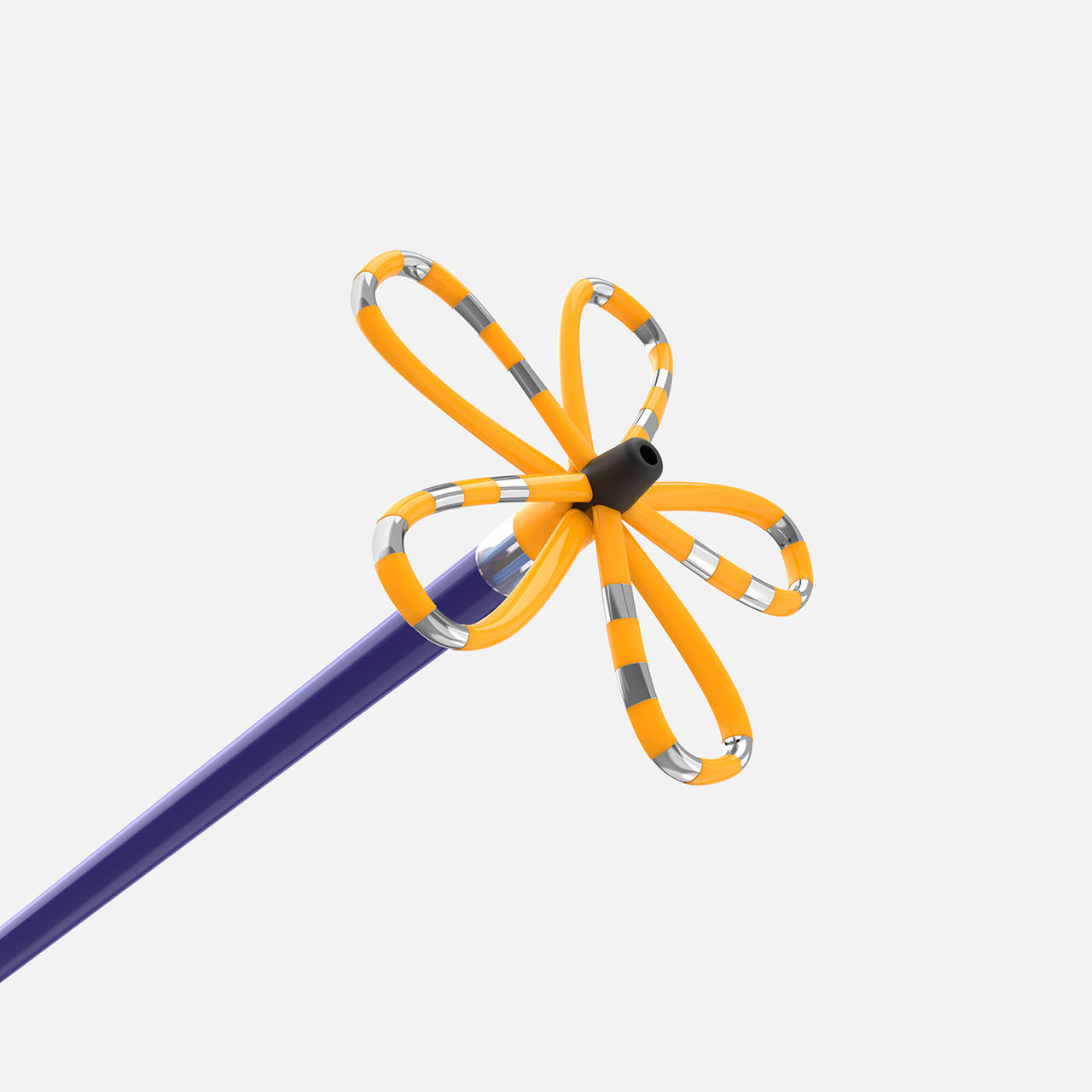
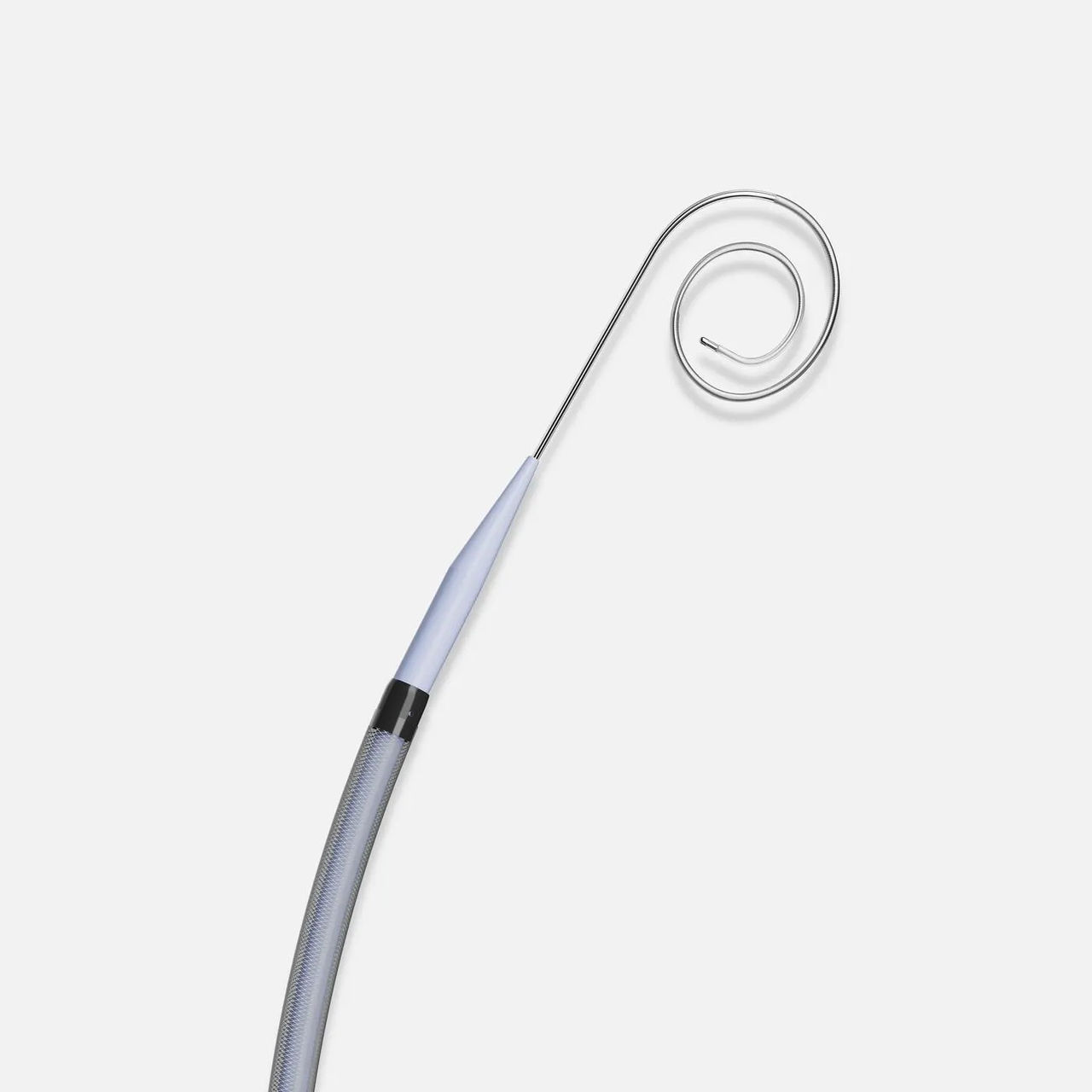
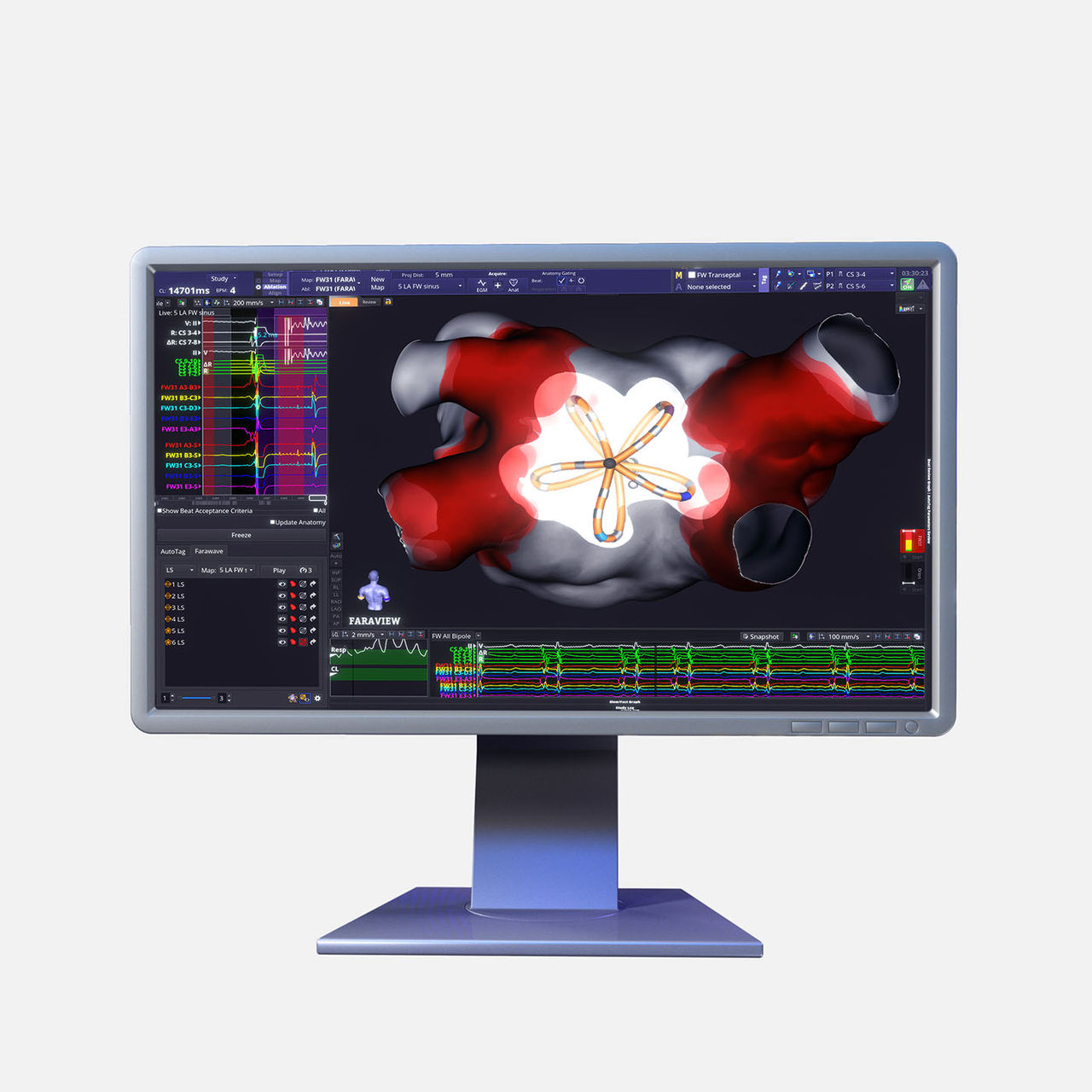
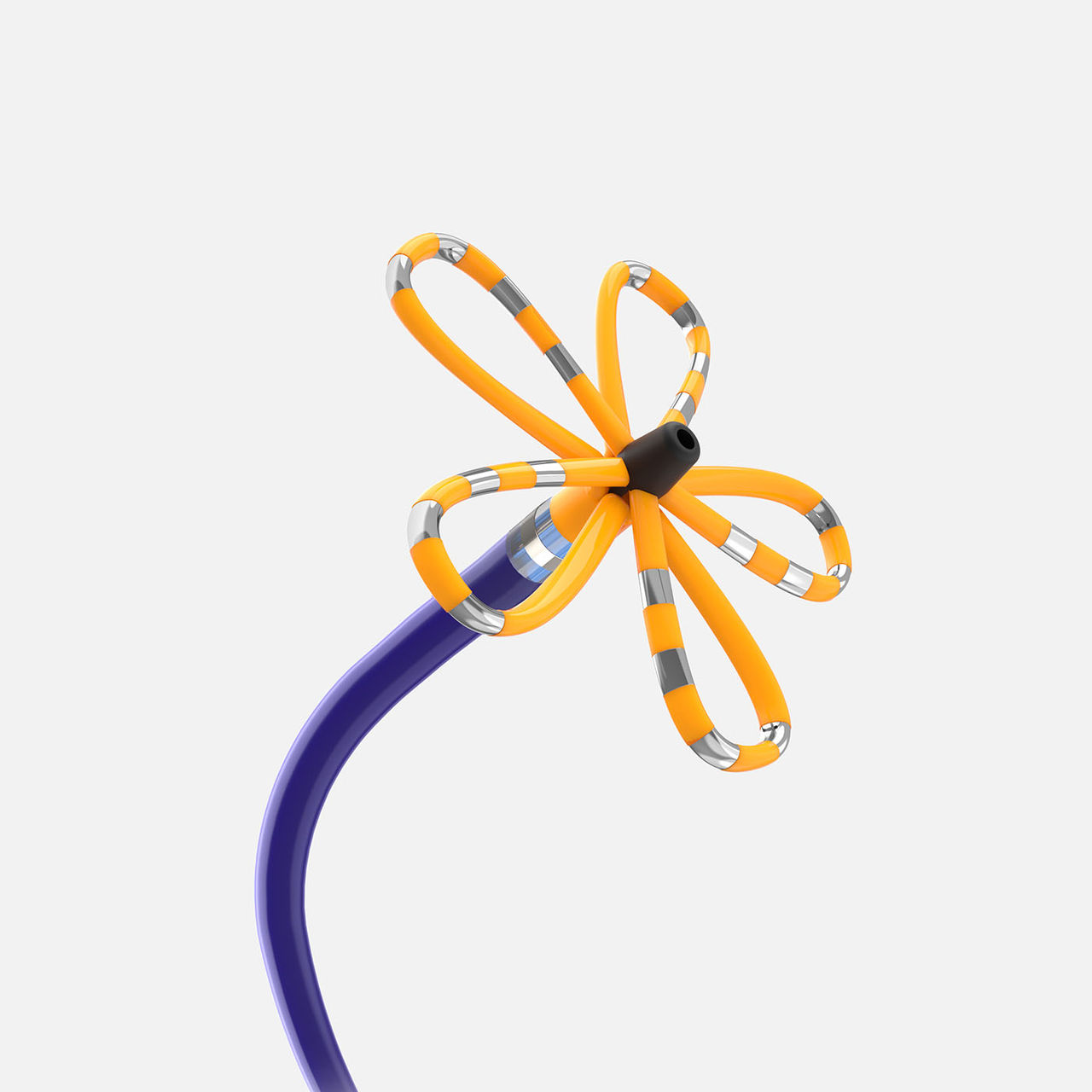
The ADVANTAGE AF US IDE trial1 studied patients with persistent atrial fibrillation (PersAF) who were treated using pulmonary vein isolation (PVI) and posterior wall ablation (PWA) with the FARAWAVE™ Pulsed Field Ablation (PFA) Catheter. The trial included adjunctive ablation of the cavotricuspid isthmus (CTI) to treat typical atrial flutter (AFL).
The trial enrolled 637 patients in two phases and allowed for a comparison of CTI ablation methods:
- Phase I (n=50): CTI ablation was performed using traditional radiofrequency ablation (RFA)
- Phase II (n=141): CTI ablation was performed using the focal FARAPOINT PFA Catheter.
A prophylactic nitroglycerin (NTG) protocol was implemented to reduce the risk of coronary artery spasm during FARAPOINT CTI procedures.
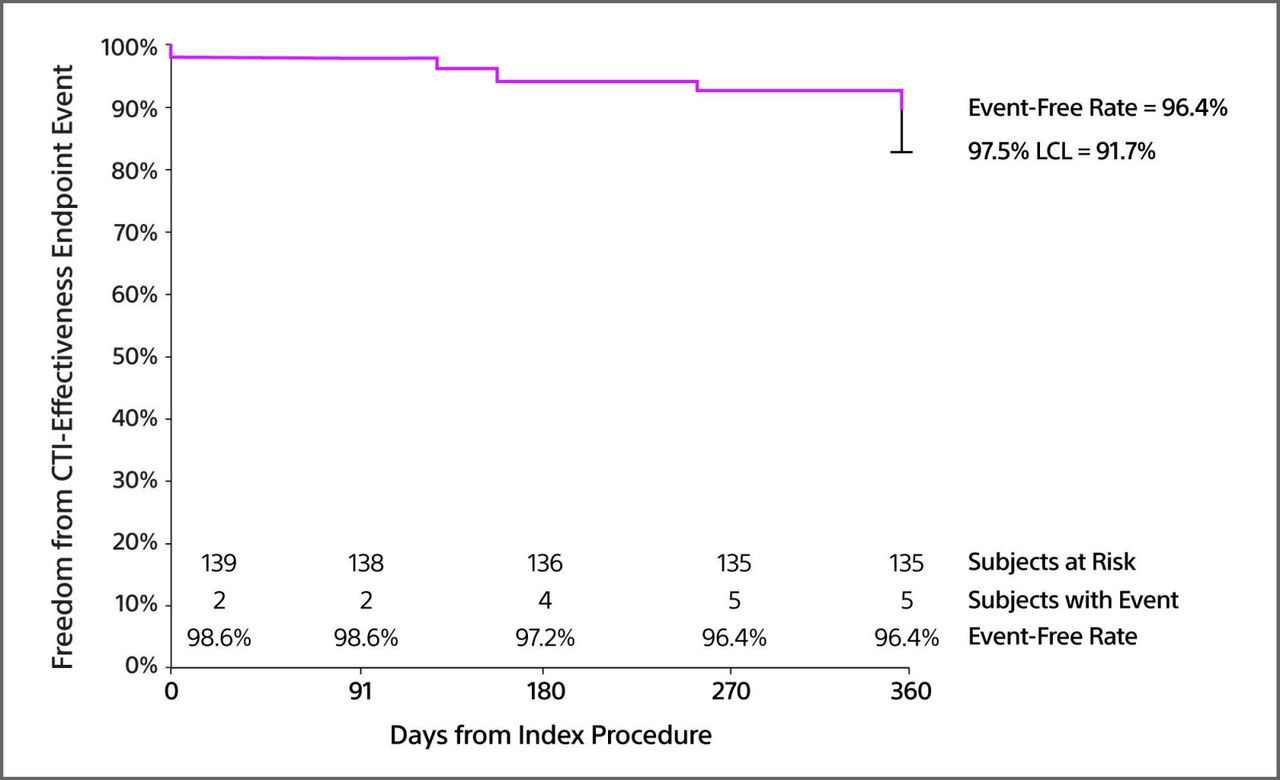
CTI effectiveness event-free rate at 12 months
elevation or ventricular fibrillation)
CTI Effectiveness Event-Free Rate
Sub-analysis: CTI Phase I (RFA) vs CTI Phase II (PFA/FARAPOINT)2
| Phase I (RFA-CTI) | Phase II (PFA-CTI) FARAPOINT | |
| Patient # receiving CTI | 50 (19.2%) | 141 (55.3%) |
| CTI applications | 22.5 ± 18 | 17.5 ± 6.4 |
| Procedure time (min) | 125.3 ± 45.3 | 105.9 ± 34.9 |
| Dwell time (min) | 58.9 ± 20.2 | 59.1 ± 23.6 |
| Fluoroscopy time (min) | 24.6 ± 15.2 | 16.4 ± 12.3 |
| CTI Ablation time (min) | Not Collected | 8.4 ± 13 |
Data in table reported as Mean ± SD or n (%) as appropriate.
† Variance of number of CTI applications showed significantly lower variability with FARAPOINT-CTI vs RFA-CTI (F=8.0, p=0.001)
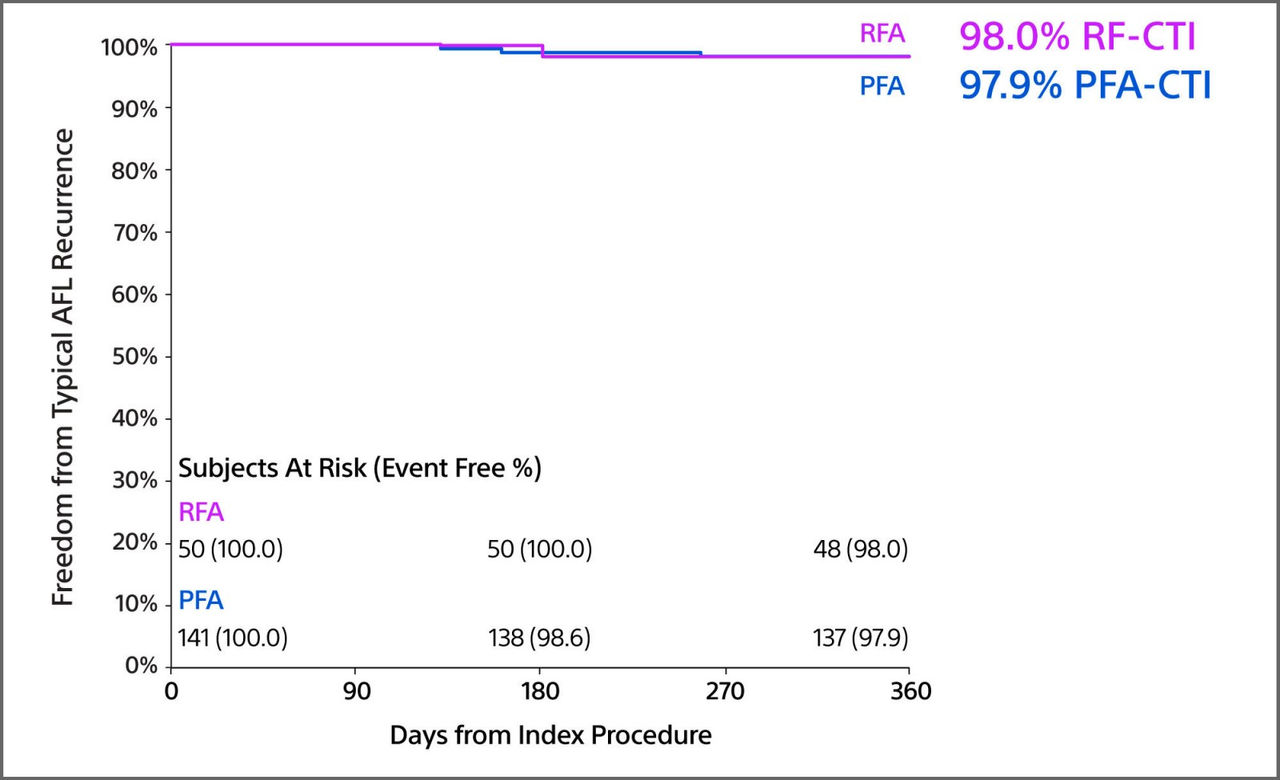
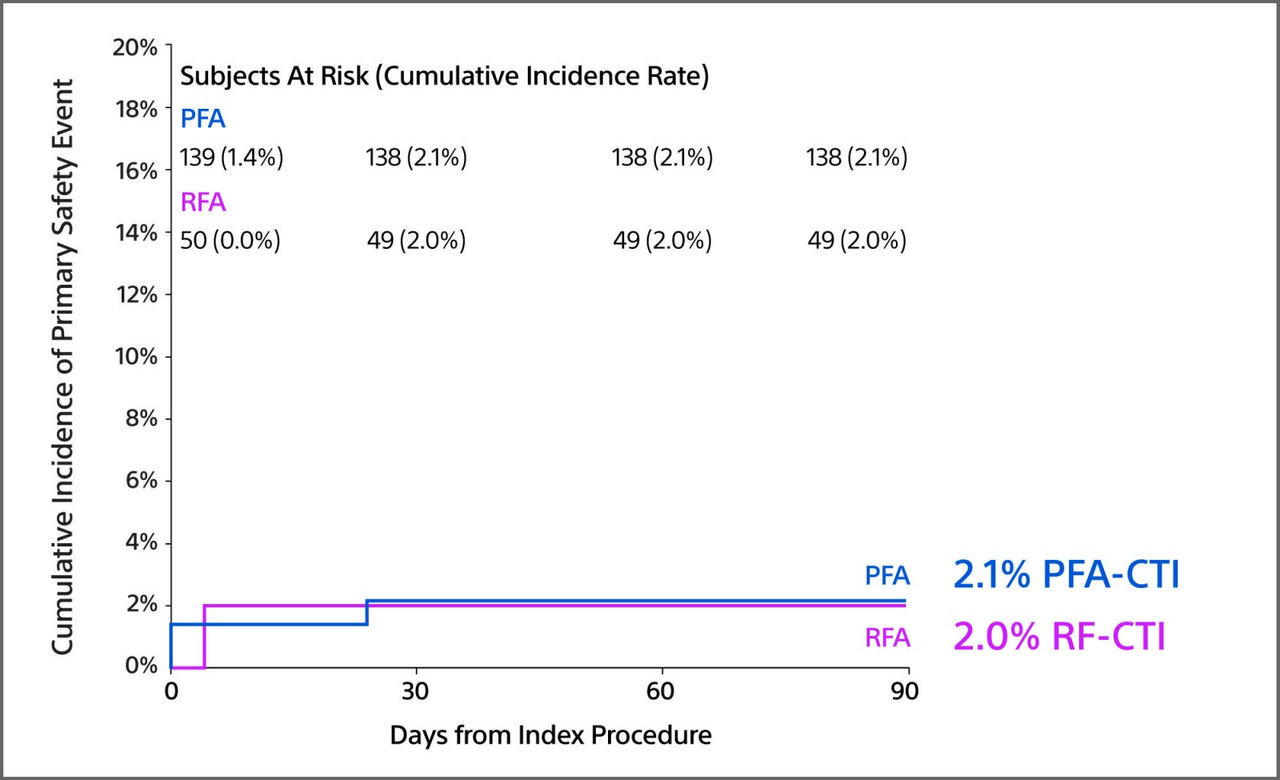
The focal FARAPOINT PFA Catheter provided comparable freedom from atrial flutter recurrence and safety outcomes.
Freedom from Typical AFL Recurrence
CTI Primary Safety Event Rate
Sub-analysis conclusions
- Safety rates were similar (PFA=2.1% vs RFA=2.0%; p=NS). There were no instances of clinical coronary artery spasm in those who were treated with FARAPOINT (99.0% received NTG per protocol with 54.0% receiving only 3 mg).
- The freedom from recurrence of typical AFL was similar in the two cohorts at 97.9% for FARAPOINT-CTI and 98.0% for RFA-CTI.
- Significantly lower variability with FARAPOINT PFA-CTI vs RF-CTI in number of applications and total procedure time (CTI applications F=8.0, p=0.001 and total procedure time F=1.7, p=0.02)