









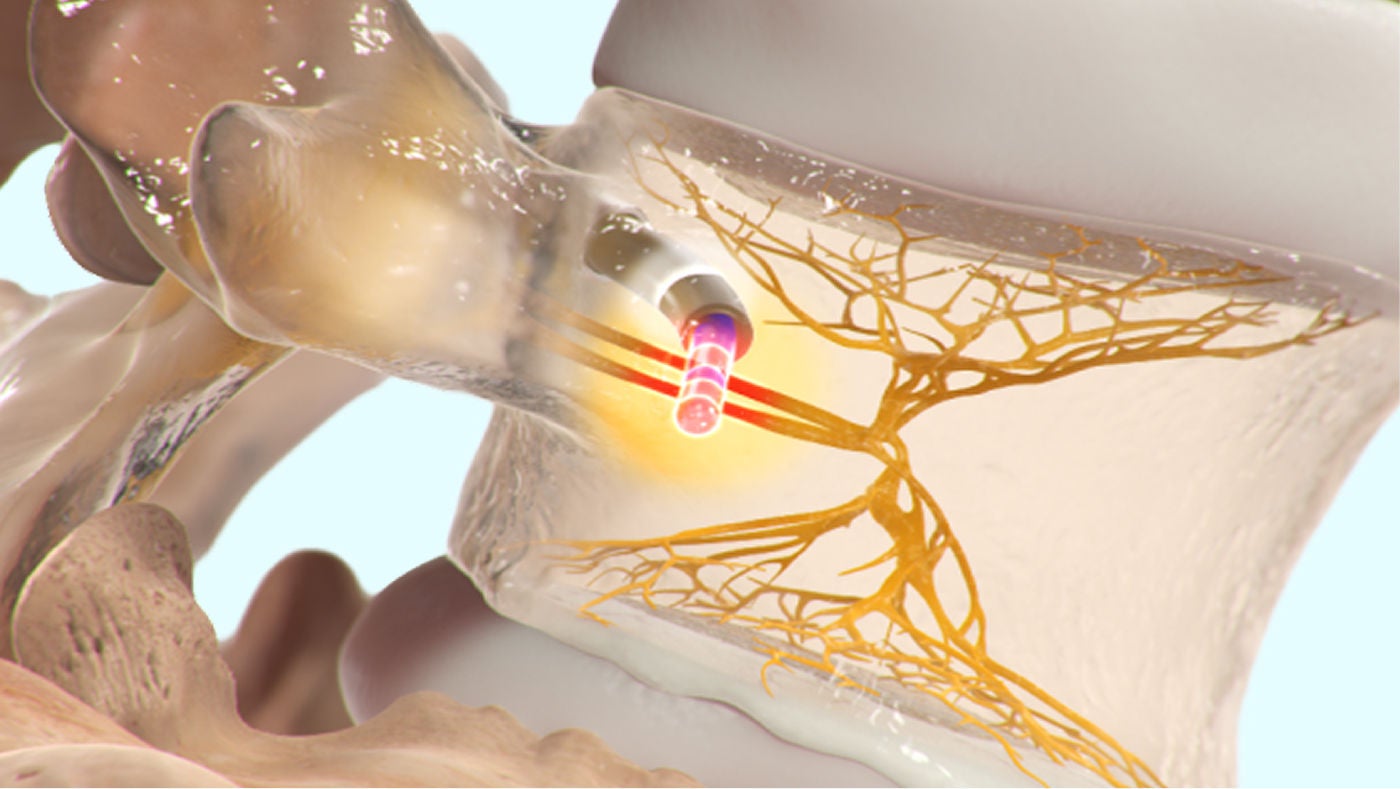
Setting the gold standard in vertebrogenic pain relief
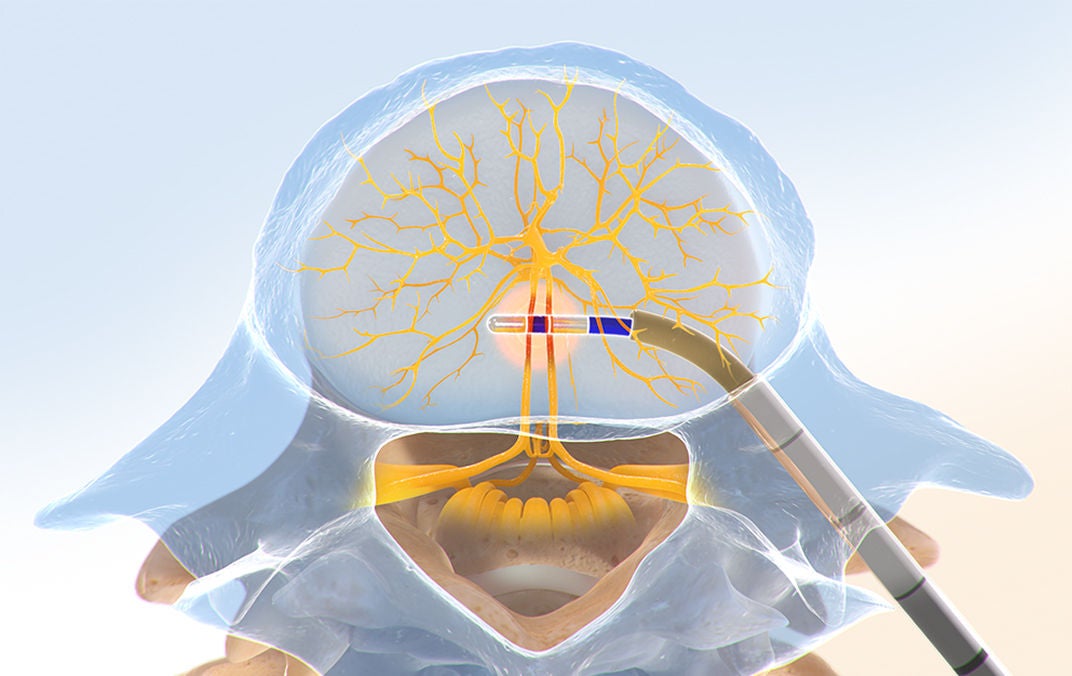
Watch how the Intracept Procedure works to access and target the basivertebral nerve in the treatment of vertebrogenic pain.
Setting the gold standard in vertebrogenic pain relief
Watch how the Intracept Procedure works to access and target the basivertebral nerve in the treatment of vertebrogenic pain.
Under fluoroscopic guidance, the Intracept™ Introducer Cannula Assembly is advanced through the pedicle.
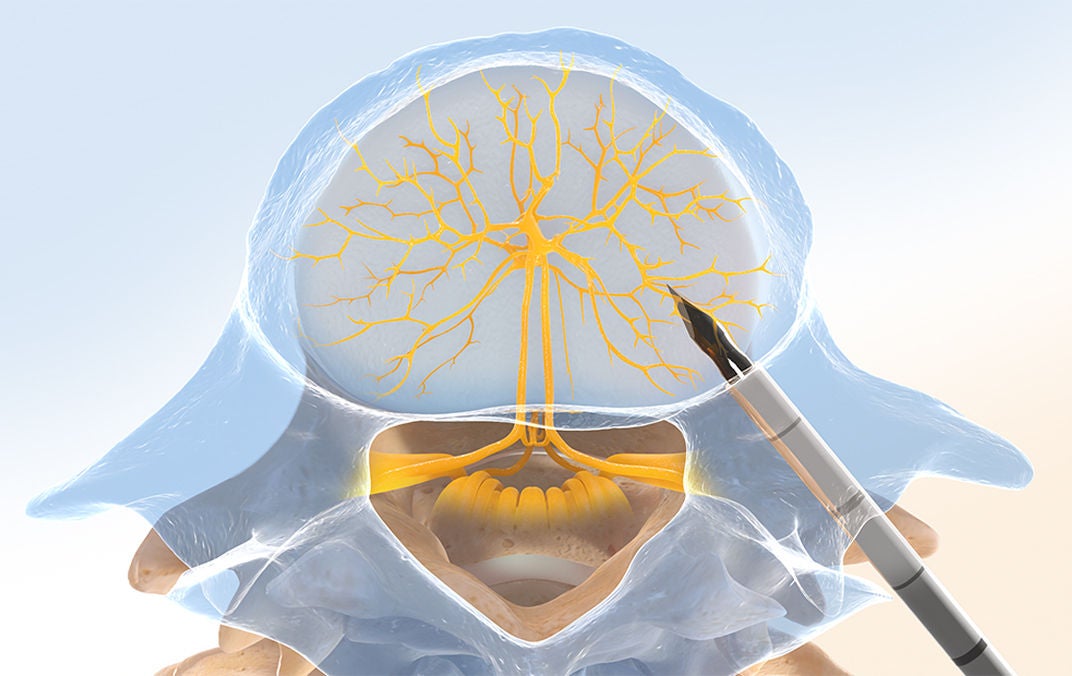
The Intracept™ Curved Cannula Assembly is used to create a channel to the trunk of the basivertebral nerve.
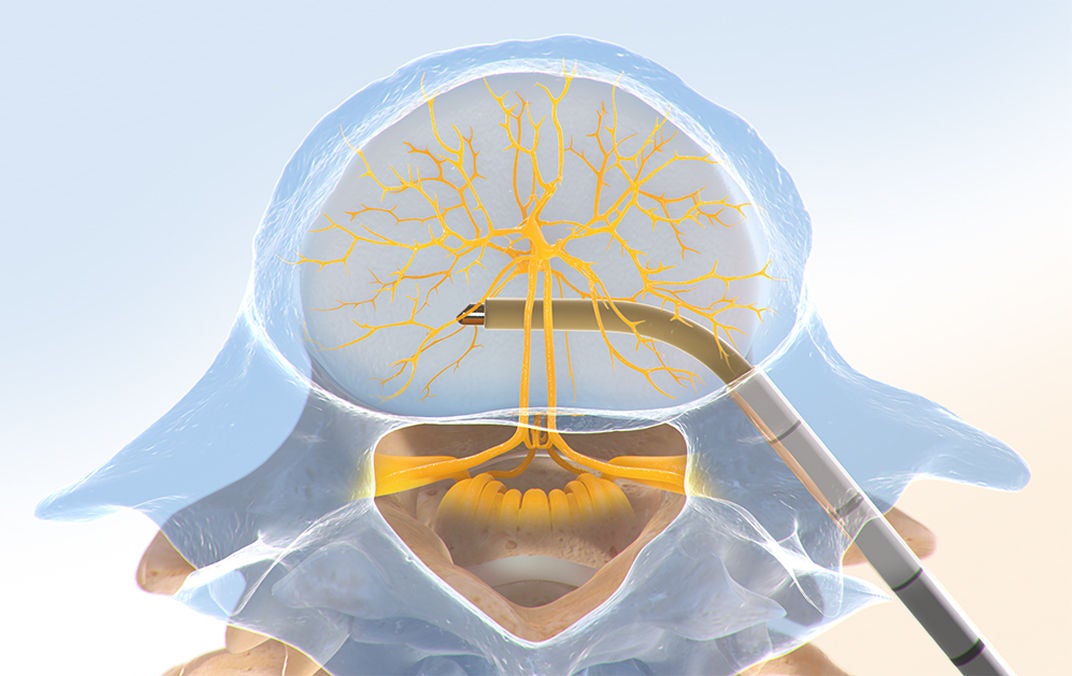
The Intracept™ RF Probe is inserted into the curved path and placed at the trunk of the basivertebral nerve.
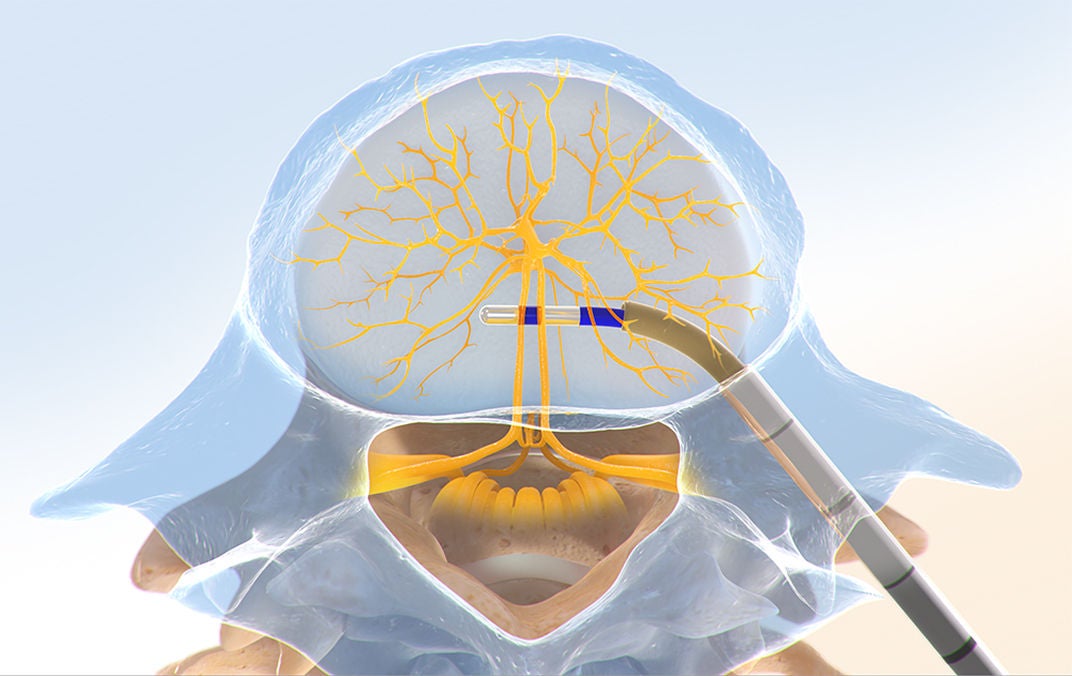
The Intracept™ RF Generator is used to deliver radiofrequency energy that ablates the basivertebral nerve.
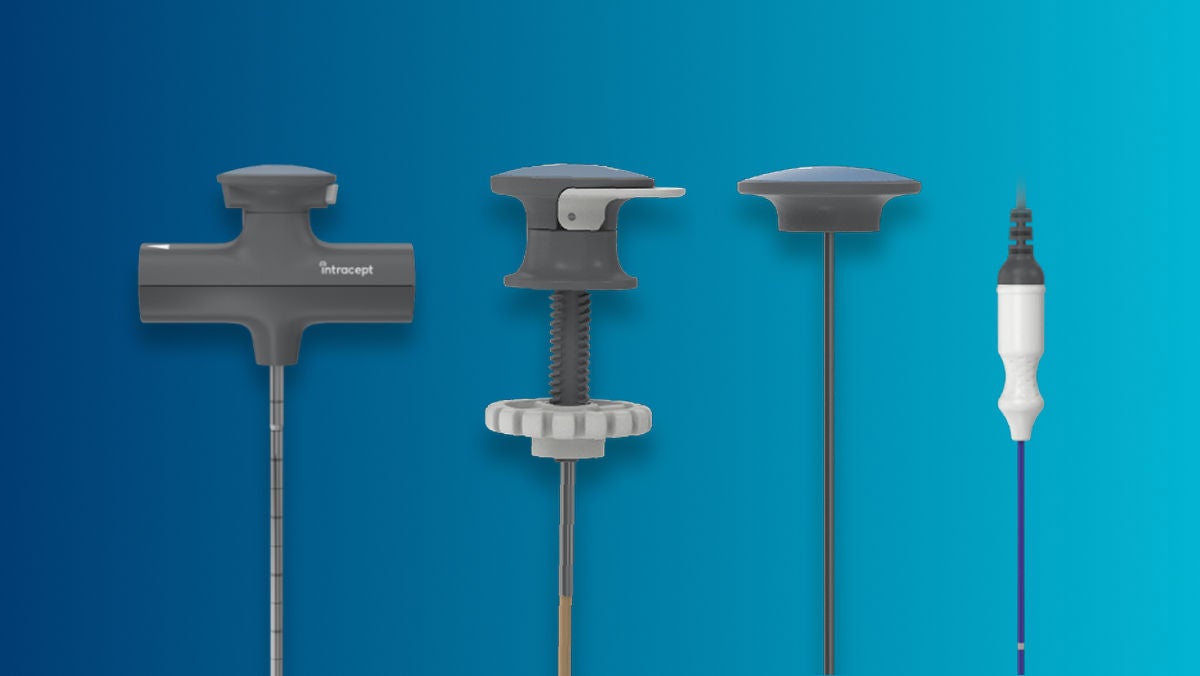
The proven, durable and safe Intracept™ Procedure features purpose-built Intracept Access Instruments for predictable and precise targeting of the basivertebral nerve.
Patients who find relief from the Intracept Procedure often describe pain in the middle of their low back that is made worse by physical activity, prolonged sitting, and bending forward, or with bending and lifting.1

Bending

Lifting

Activity

Sitting
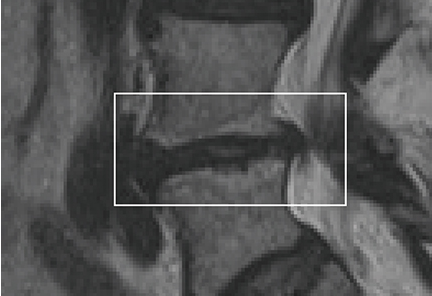
To confirm that a patient has vertebrogenic pain, use MRI to look for specific changes that occur with endplate inflammation, which are called Modic changes.
 Photograph taken by Boston Scientific
CAUTION: The law restricts these devices to sale by or on the order of a physician. Indications, contraindications, warnings, and instructions for use can be found in the product labelling supplied with each device or at www.IFU-BSCI.com. Products shown for INFORMATION purposes only and may not be approved or for sale in certain countries. This material not intended for use in France.