










The IFSO Bariatric Endoscopy Committee endorses Endoscopic Sleeve Gastroplasty (ESG) as an effective and valuable treatment for obesity.1
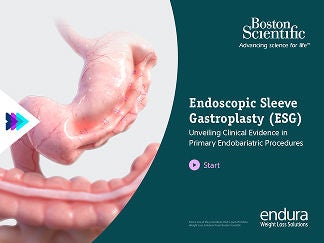
ESG is a minimally invasive endoscopic bariatric procedure designed to support gradual, lasting weight loss when combined with lifestyle changes.
It is particularly beneficial for patients with class I and II obesity, as well as for those with class III obesity who are not suitable candidates for metabolic bariatric surgery.1




ESG Procedure Overview
| Attribute | Description |
| Procedure type | Endoscopic bariatric procedure |
| Access route | Transoral |
| Mechanism | Gastric volume reduction via suturing |
| Clinical goal | Weight loss support in patients with Class I, II, and selected Class III obesity1 |
How the ESG Procedure is Performed
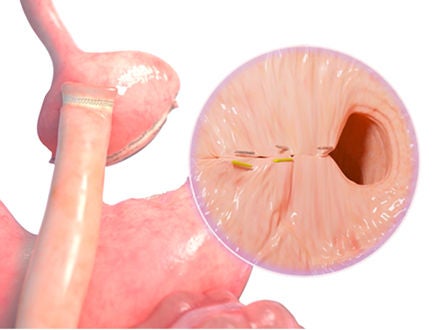
ESG reduces stomach size using sutures placed through the mouth during a simple outpatient procedure. It is performed under general anaesthesia by a trained gastroenterologist or surgeon that uses the OverStitch NXT™ Endoscopic Suturing System to create 6-8 plications along the greater curve of the stomach.
Step-by-Step Procedure Overview
1. A flexible endoscope is introduced transorally into the stomach
2. The OverStitch NXT™ Endoscopic Suturing System is deployed to place endoscopic sutures
3. 6-8 plications are created along the greater curvature
4. Gastric volume is reduced by approximately 70-80%, promoting early satiety and supporting sustained weight loss when combined with diet and lifestyle modifications
Curious to learn more about the ESG procedure? Here’s how it works:
Sustainable Results


Clinical Evidence
Download our leaflet for a concise, evidence-based overview of ESG, showcasing the latest clinical data and insights that support its safety and efficacy.
| Source | Population | Key Outcome |
| MERIT RCT2 | Class II-III obesity | 13.6% mean total body weight loss at 1 year |
| IFSO Endorsement1 | Class I-III obesity | Endorsed as effective and valuable treatment |
Key Resources
Adopting ESG – Interview with Dr. Lubbe
Dr. Lubbe shares what led her to adopt the endoscopic approach in her bariatric department, with a focus on the role of ESG.
Resources for Patients
Discover comprehensive resources tailored for ESG patients across the UK, Italy, Germany, Spain, and France.
Patient Perspective: Joanna’s ESG Journey
Listen to Joanna’s story as she shares her transformative weight loss journey with ESG.
Explore Other Endoscopic Bariatric Procedures
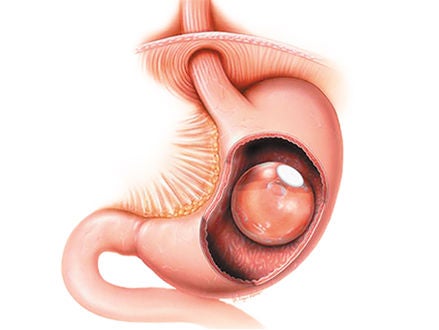
Alternative Bariatric Procedures
- Laparoscopic sleeve gastrectomy (LSG), also referred to as vertical sleeve gastrectomy, is a restrictive bariatric procedure predominantly performed via laparoscopy. During LSG, approximately 75-85% of the stomach is resected along the greater curvature. This procedure induces significant neurohormonal and bile signaling modifications, contributing to its metabolic efficacy.3
- Roux-en-Y gastric bypass (RYGB) involves the exclusion of a portion of the stomach and proximal intestine, with the distal intestine reconfigured into a Y-configuration. This allows for the passage of ingested food from the upper gastric pouch through the Roux limb, facilitating both weight loss and metabolic benefits, independent of weight reduction.3