Home > Heart Smart > When Your Heart Has Problems > Ventricular Arrhythmias
Ventricular Arrhythmias - At a Glance
Description
What is ventricular arrhythmia?
Ventricular arrhythmias include ventricular tachycardia and ventricular fibrillation. Both are life threatening arrhythmias most commonly associated with heart attacks. Learn more.
Causes and Risk Factors
What causes ventricular arrhythmias?
Ventricular arrhythmias results when electrical impulses generated in your heart's ventricles interfere with the electrical impulses generated by the sinoatrial (S-A) node. Learn more.
Symptoms
What are symptoms of ventricular arrhythmia?
Someone with a ventricular arrhythmia may experience fainting spells, blackouts, temporary blind spots, or dizziness. Learn more.
Diagnosis
How is ventricular arrhythmia diagnosed?
To diagnose an arrhythmia, your doctor will typically start with an electrocardiogram (ECG) test. Learn more.
Treatment
How is ventricular arrhythmia treated?
Doctors may prescribe medications, an implantable cardioverter defibrillator, or both for the treatment of ventricular arrhythmias. Learn more.
Success Stories
What is it like to live with ventricular arrhythmias?
Patients with ventricular arrhythmias share their treatment stories. Learn more.
Description
What is ventricular arrhythmia?
When an abnormal heart rhythm comes from the lower chambers of your heart (the ventricles) it is called a ventricular arrhythmia. Rhythms of this type include ventricular tachycardia (VT) and ventricular fibrillation (VF). Both are life threatening arrhythmias most commonly associated with heart attacks or scarring of the heart muscle from a previous heart attack.
Ventricular Tachycardia
Ventricular tachycardia (VT) is a fast heart rhythm that occurs in one of the ventricles of your heart. It is like one electrical short circuit that races in a circle. In a VT, the heart beats with each race around the circuit at rates from 150 to 250 bpm.

One special type of ventricular tachycardia is called “right ventricular outflow tachycardia”, or RVOT tachycardia. This rhythm occurs in the part of the heart where blood is going from the right ventricular to the lungs.
As the heart beats faster, it pumps less blood. There is not enough time for the heart to fill with blood between beats. If this fast heartbeat continues, the brain and body may not receive enough blood and oxygen.
Ventricular Fibrillation
Another type of ventricular arrhythmia is ventricular fibrillation (VF). VF originates from many different locations in the ventricles, each one trying to signal the heart to beat. In this case, the heart beats much faster than normal, sometimes over 300 beats a minute. The lower chambers quiver instead of contract, and very little, if any, blood is pumped from the heart to the rest of the body. If your heart is in VF, you can become unconscious very quickly. You might not remember anything that happened just before or during the episode.

If these irregular, fast heart rhythms continue for a length of time, the body will not get enough oxygen-carrying blood. Without oxygen, the brain and body tissues cannot function normally and die.
Causes and Risk Factors
What causes ventricular arrhythmia?
Studies have shown that ventricular tachycardias (VT) often occur in patients who have had damage from a heart attack, cardiac surgery, or other conditions. Some people with inherited heart defects also experience VT. Sometimes VT affects individuals with no history of a heart condition.
In cases of ventricular fibrillation (VF), patients usually lose consciousness very quickly.
If a fast ventricular rhythm is not treated it can change into VF, can lead to sudden cardiac arrest and ultimately sudden cardiac death. Sudden cardiac arrest affects 350,000 people each year in the United States (meaning that every 38 seconds, someone dies from sudden cardiac arrest).1
Symptoms
What are symptoms of ventricular arrhythmia?
If you are in a fast ventricular arrhythmia, you may feel as though your heart is skipping beats or fluttering. If the rhythm is very fast, you may experience fainting spells, blackouts, temporary blind spots, or dizziness. Eventually, you may become unconscious and your heart might stop (cardiac arrest).
Diagnosis
How is ventricular arrhythmia diagnosed?
The diagnosis of ventricular arrhythmias, which are often unpredictable, can be challenging.
To diagnose ventricular tachycardia (VT), your doctor may initially use an electrocardiogram (ECG) test. Some arrhythmias, however, are intermittent and may not always show up during an ECG test. Your doctor may suggest other monitoring tests that can identify when you are having an arrhythmia and what type of rhythm it is.
There are two types of VTs that may be seen on ECG:
- Monomorphic VT looks the same from one beat to the next on the ECG
- Polymorphic VT has more than one shape on the ECG
Ventricular tachycardias are often defined when three or more fast heart beat come from the same place in the ventricle. A VT is also described by how long it lasts:
- Nonsustained VT is a fast VT that stops within 30 seconds
- Sustained VT is a fast VT that stops after 30 seconds or with treatment
In cases of ventricular fibrillation (VF), patients usually lose consciousness very quickly. Doctors typically consider a diagnosis of VF when a person suddenly collapses and experiences sudden cardiac arrest. An ECG at the time of collapse can confirm that the rhythm problem is VF.
Further tests are usually necessary to determine the cause and possible treatments for VT or VF. An electrophysiology (EP) study test is a test used to evaluate heart rhythms from inside your heart.
Treatment
How is ventricular arrhythmia treated?
Both ventricular tachycardia (VT) and ventricular fibrillation (VF) are life-threatening heart rhythms. In emergencies, paramedics or medical personnel can treat these arrhythmias with external defibrillators, such as an AED. Long-term treatment options vary according to the type of arrhythmia and individual patient circumstances.
Tachyarrhythmias can sometimes be stopped or treated with medicines or surgery. These treatments are used in an effort to control or destroy the portion of heart tissue that causes the abnormal rhythms.
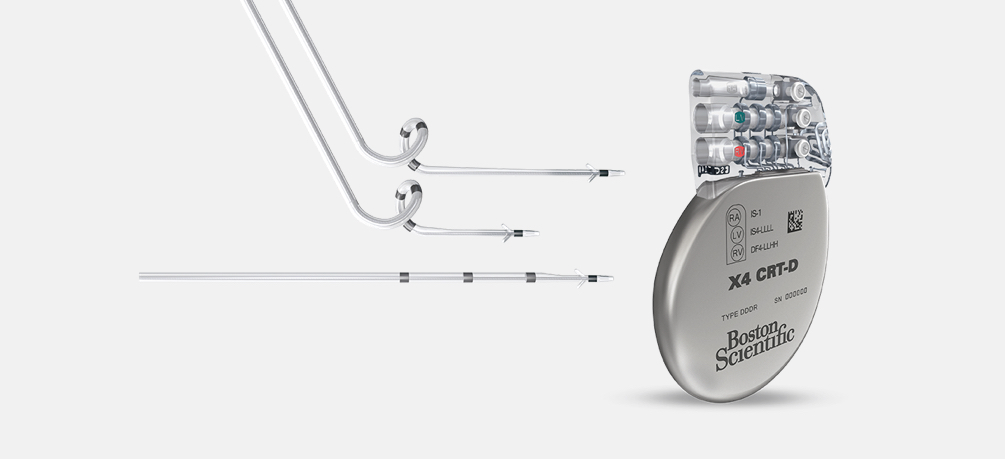
In other cases, an implanted electronic device may be used to treat the arrhythmia. An implantable cardioverter defibrillator (ICD) delivers electrical energy to the heart to slow it down to a more normal rhythm. This allows the S-A node to take control again.
An ICD can use one or more types of energy to help your heart beat normally again. They include:
-
Anti-tachycardia pacing (ATP) – If your rhythm is regular but fast, the ICD system can deliver a series of small, rapid electrical pacing pulses. These are used to interrupt the arrhythmia and return your heart to its normal rhythm.
-
Cardioversion – If your arrhythmia is regular but very fast, the ICD can deliver a low-energy shock. This can stop the arrhythmia and return your heart to its normal rhythm.
-
Defibrillation – For arrhythmias that are very fast and irregular, like VF, high-energy shocks can be used to stop the arrhythmia. Then your heart can return to its normal rhythm.
ICD Therapy - Watch the Video [00:19]
Many people have arrhythmias that are dangerous and that can occur at any time. You might already have had an episode of VT or VF. This can happen even if you are taking medication to treat your abnormal heart rhythm. After studying test results, your doctor may decide that you might experience abnormal heart rhythms again, and perhaps, cardiac arrest. Your doctor may recommend an ICD for one or more of the following reasons:
- At least one experience of VT or VF
- Previous cardiac arrest or abnormal heart rhythm that caused you to pass out
- A fast heart rhythm that keeps returning and could cause death
- A fast heart rhythm that cannot be controlled with drugs
- Severe side effects from drug therapy
- A fast heart rhythm that cannot be cured by surgery
- Previous heart attack and a low ejection fraction
Success Stories
People living with ventricular tachycardia
Matt Noble may be young—he’s in his 30s—but he has dealt with more heart problems than many people ever will. Born with a serious heart condition, he'd had three open-heart surgeries by age 5. When he received his first implantable cardioverter defibrillator at age 17, he'd already survived five sudden cardiac arrests.
Matt knows about ICD therapy from his job and from his personal experience. “With my type of arrhythmia, I need to get full-energy shocks. So after the instant of pain from the shock, my chest is sore for a few seconds. But it's nothing compared to the pain I've had after CPR, before I had my defibrillator.”
“I've probably had about 20 shocks in my life so far, but I still remember my first shock. For the first time, I realized that I actually felt safe after an arrhythmia instead of scared that I might die.”
Next: Heart Attack >>
Are You Heart Smart?
Find out how much you know
Take quizzes now
1. AHA. Heart Disease and Stroke Update – 2010. American Heart Association.
CRM9-3960-0510

How Your Heart Works
Ventricular Arrhythmias